Six things to know about Rwanda’s proposed digital ID
-
 Loading...
 - Elvis Sibomana
- 25 Apr 2023
- 79 Views
- 0 Like
- 0 Comment
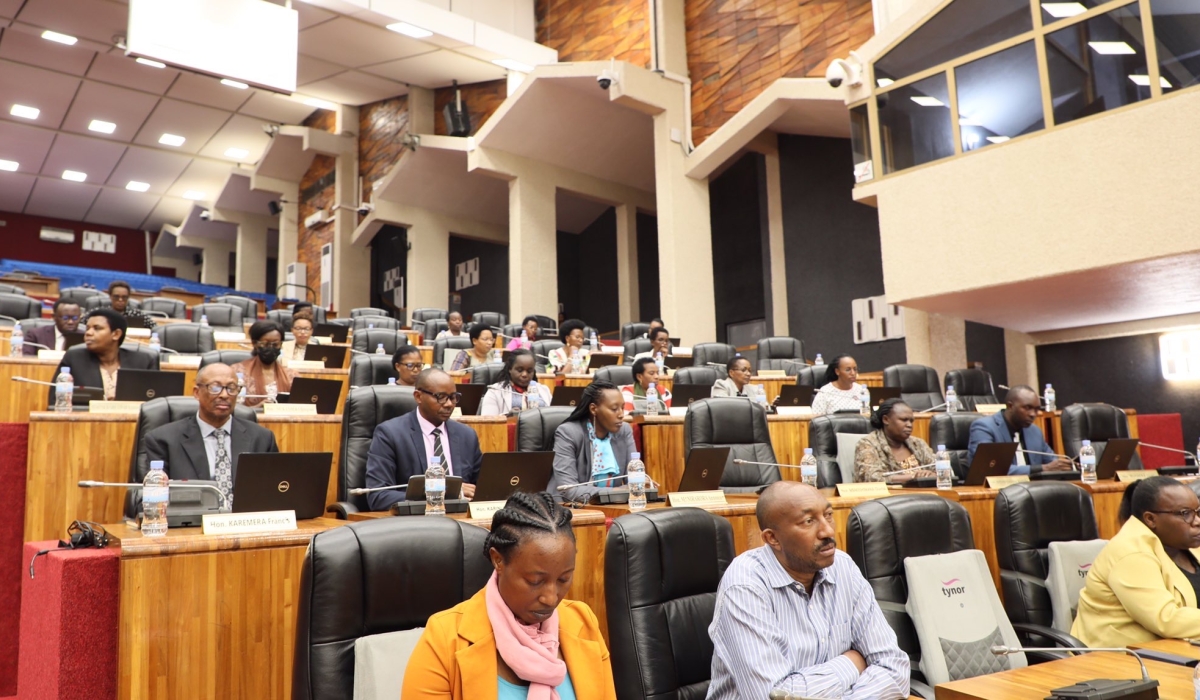
Members of Parliament during the plenary sitting of the Chamber of Deputies that adopted the relevance of the draft law regarding the development of the proposed IDs, on April 20. Photo:
Rwanda plans to start issuing digital identity (ID) cards in the next three years. The proposed IDs will not only provide for the identification of persons, but also their authentication, by using technologies like biometrics, QR codes or random number tokens. The parliament has already adopted the relevance of the draft law regarding this development, and it is expected that in the near future, its bill will be analysed by the responsible standing committees of the Lower House.
In this article, The New Times, takes a look at six things you may need to know about the proposed digital ID. Will involve the use of more biometrical data. The proposed digital ID will use more biometrical data, ranging from the traditional fingerprints to iris scans. It will also entail general identification information including names, gender, date of birth, place of birth, marital status, email address and phone numbers if any, and so on.
In case some of the biometrical data required is not available, for example due to disability, only obtainable biometrics data will be captured. Biometric data will be collected from children as young as five. According to the proposed law, when a child is at least five years old, their complete biometrics data will be captured for the digital ID. Once the child turns 16, their complete biometrics data will be re-collected, the proposed law says. Read More…