Skincare: How to Reduce Redness Caused By Pimples and Acne
-
 Loading...
 - Ilaria Danese
- 04 Oct 2022
- 65 Views
- 0 Like
- 0 Comment
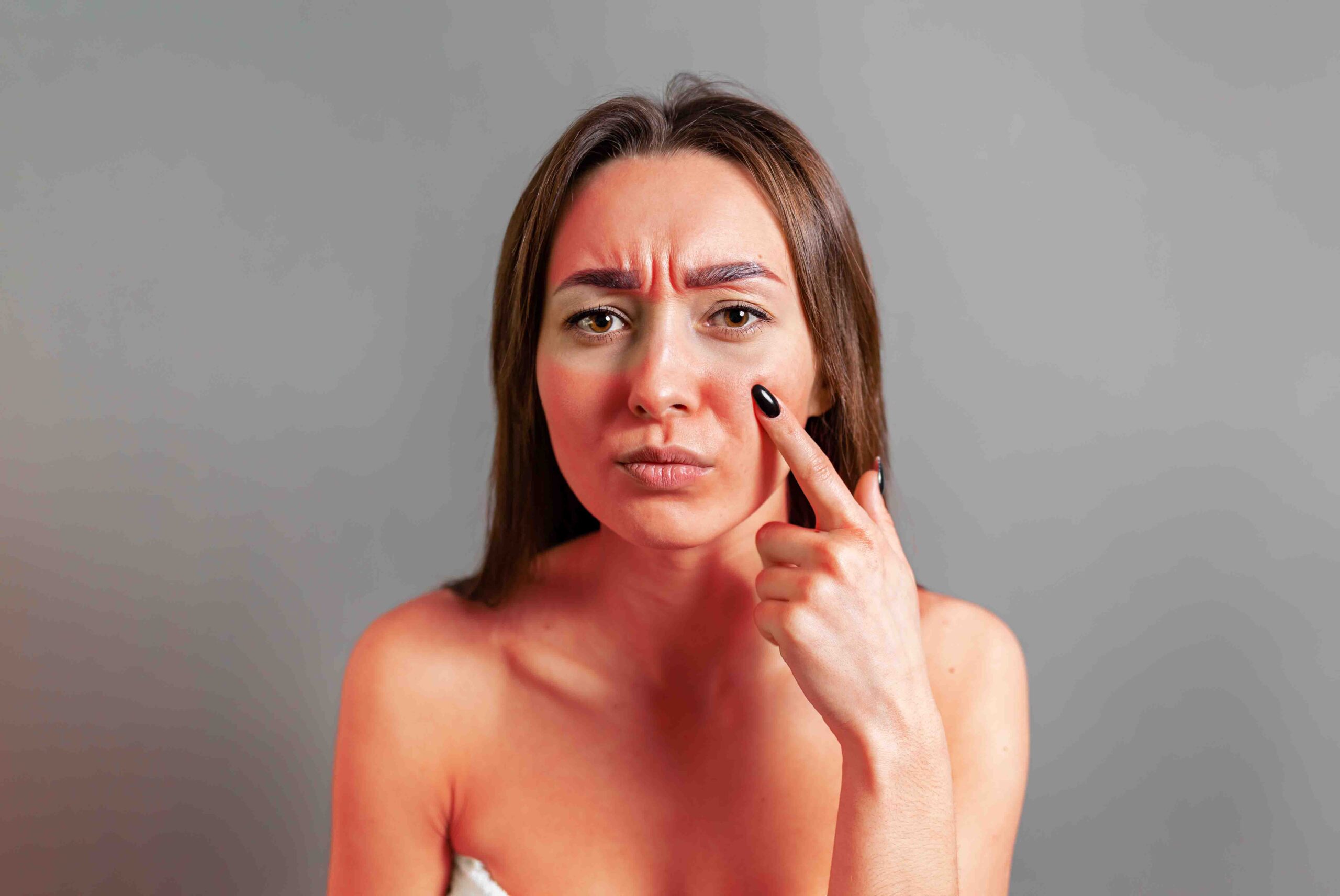
There are several causes of facial redness, but post-inflammatory erythema, often known as PIE, is what you get if you start to turn red after getting pimples. And treating it can be just as frustrating and difficult as treating the original acne.
The redness you observe following a breakout is brought on by the latter. Blood seeping into the skin of an acne lesion is the cause of the reddish skin in inflammatory acne. A healing process begins when blood flows to the area because white blood cells are primarily reacting to trapped dead skin cells, bacteria, debris, and excess oils in the acne lesions as though they were alien objects. To put it another way, the redness is evidence that your skin is rejuvenating.
Acne treatments frequently make this redness worse, and in other situations, product sensitivity may be the real cause. The overuse of acne products on the skin is frequently a significant cause of pimple redness.
Benzoyl peroxide, retinoids, glycolic acid, and other AHAs are some of the substances that can dry out the skin and increase redness. Skin that is already red, dry, or peeling shouldn't be exposed to products containing these active ingredients. In this article, we discuss how you can reduce the redness caused by pimples and acne.
These tips can help reduce redness caused by acne and pimples:
1. Apply ice
Picking at a blemish can produce redness and swelling, which the cold helps to lessen. Directly apply an ice cube to the spot and keep it on for 10 mins. Apply a spot treatment then depending on the sort of problem you have.
2. Eat an anti-inflammatory diet
Consuming an anti-inflammatory diet will also aid in preventing skin inflammation. Avoid foods like chocolate, sugar, starch, alcohol, and spicy foods as these all cause more inflammation. Anti-inflammatory foods may be ginger, garlic, cucumbers, watermelon, tomatoes, etc. Read More...