Small homes at an affordable price in Mexico

In the dynamics of the housing market in Mexico, the first half of the year brought two elements to consider. On the one hand , unit sales recovered to pre-pandemic levels .
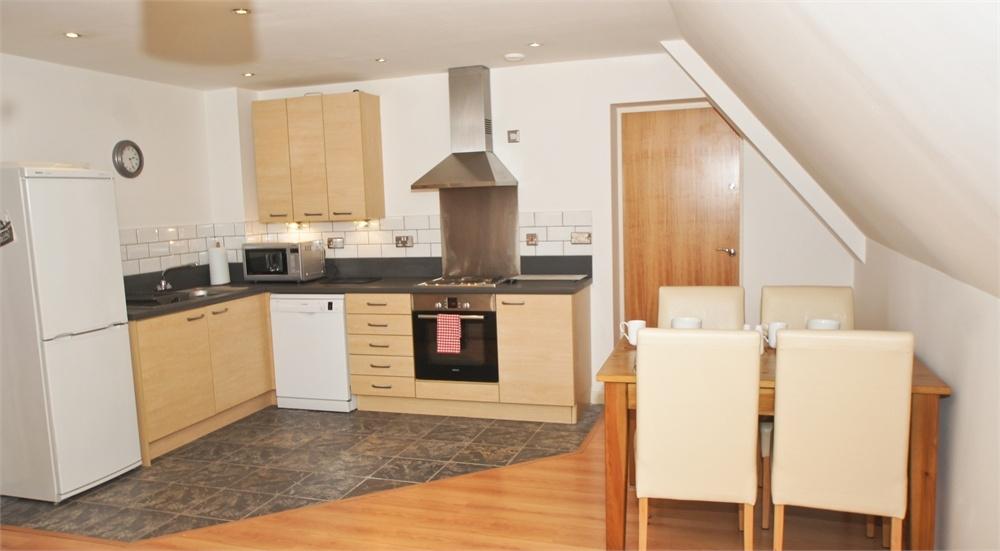
On the other hand, a change was detected in the type of product that has to do with the development of smaller homes, a characteristic that seeks to adjust the price to the budget of Mexican families.
This conclusion was reached during the table 'Balance of the Real Estate Sector in the First Half of 2022', which was held within the framework of the Real Estate Investments program, led by Karim Goudiaby, Founder and CEO of the digital real estate company NEXIMO.
Following the same theme, in the first half of the year, the sale of units reached levels seen before the pandemic , explained Justin Moreno, Chief Data Officer at Tinsa Mexico; He added that along with this phenomenon, a transformation was observed in the type of product that is made available to customers.
According to Moreno, areas where the housing being developed is smaller have been specifically detected.
“In terms of the number of units sold , we are seeing figures similar to what we had before the pandemic. However, we are detecting that certain areas are compacting: smaller products are being developed to achieve a fairer ticket price, so that the market can consume it ”, he commented.
Faced with the challenges observed in the environment, developers have chosen to change the type of product they offer , with the aim of aligning with the purchasing power of the market.
If we look at the issue of inflation, continued the specialist, household income has not grown in the same way. So the final consumer began to look for a product that he can buy with what he has. The case of the investor is different, because he can buy to rent.
Moreno commented that the developers have started processes to adapt the product that is being built. Specifically, "the projects that have come out in this first half of the year are already smaller," he mentioned.
Start of new projects decreases
Regarding the movement of inventories and the behavior in the construction of houses, Claudia Velázquez, director of operations of Softec, expressed that the start of new projects that was observed in the first quarter of the year is well below what was registered in 2021.
This scenario means that the incorporation of new inventory does not go at the same rate to compensate for what is displaced. A strong problem that the vast majority of markets have, if not all markets for finished new housing, is that the rate at which new projects are started is not sufficient to replace what is being sold.
“In the first quarter of 2022, only 10% of the projects that started in all of 2021 were started. We have records that 1,200 projects started in 2021. Today, in the fourth part of the year, only 10% of the projects and 8% of the units have started to replace what was sold. And this has been decreasing since 2016,” said Velázquez. Read More...