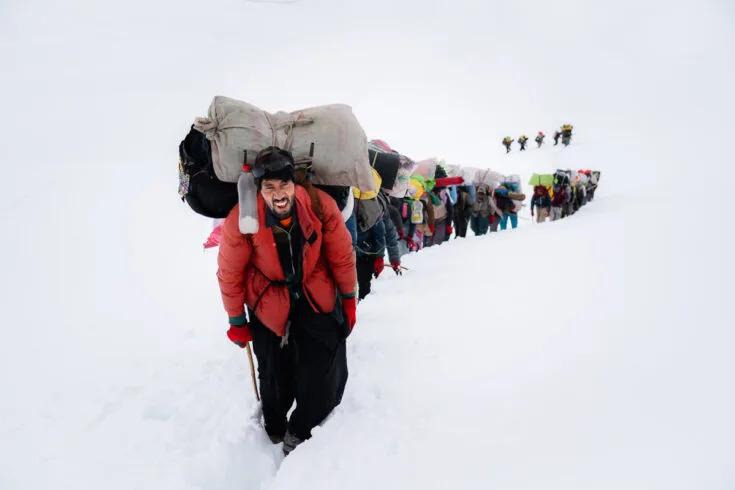
Snow Lake Trek In Pakistan: Ultimate Guide
-
 Loading...
 - Fitan Abbas
- 27 Mar 2023
- 62 Views
- 0 Like
- 0 Comment
The Snow Lake Trek is known as one of the most beautiful high-altitude trails in Pakistan. The Lake is actually a high-altitude glacial basian found at the convergence of the Biafo and Hispar glaciers. With a width of more than 16km, this area has the largest concentration of glacial ice outside of Antarctica.
Snow Lake starts on the K2 Basecamp Trek trail and finishes in Hispar on the Hunza side. The trek is quite remote, even more so than K2 Basecamp Trek with only a few trekking groups succesfully making the crossing each year. So remote in fact, that is one of the last regions in Pakistan where you might cross paths with Markhor, Ibex, Himalayan Bears and even Snow Leapords.
SNOW LAKE TREKKING GUIDE
In this blog post, I will cover everything you need to know about the logistics of the Snow Lake Trek and also share with you my experience of the trek. This will give you an idea of what to expect and a great insight into the scenery you will find on each day of the trek. Before sharing my experience on the trek in the second section of this blog post, I will detail all of the information you need to know in this complete guide about the Snow Lake Trek.
SNOW LAKE TREK DETAILS
While trekking through the Karakoram Mountain Range towards K2 Basecamp, you can expect harsh camping weather conditions such as snowstorms or days on end of the exposed sun. The rocky, glacial terrain makes this a tough trek but also provides some of the most incredible trekking views in the world. Unlike the popular Everest Base Camp trek, which is visited by more than 100,000 trekkers annually, the K2 Basecamp Trek sees just over 1000 visitors a year making it a brilliant alternative for adventure-seekers.
- Distance: 120 km through-hike
- Days required: 12-14 days
- Total Incline: ( with undulation) – 4,000 m
- The highest point on the trek: 5,200m
- Difficulty: This trek was much harder than Everest Base Camp Trek as it was more remote, tougher terrain, and less commercialized. One of the major differences is that you will be camping every night rather than in tea houses. Also, the terrain is along a rocky, icy glacier making it much more difficult to cover distances rather than a path that leads you to Everest Base Camp. Having said that, there was nothing technical involved to cross the Hispar La although there were many crevasses we needed to avoid. The acclimatization profile was very good as you have seven days to reach the highest point on the Hispar La
- Permits: Your tour operator will take care of these. It isn’t possible to hike independently and you must book with a guide and a registered tour operator. Read More…