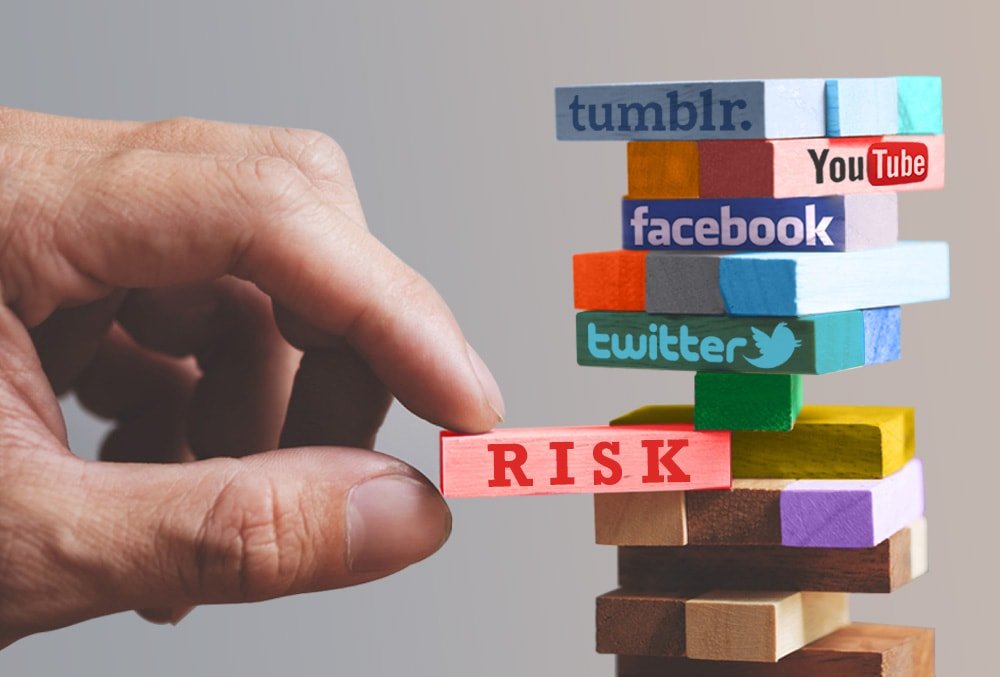
Social Media: Proven Strategies for Effective Risk Management
-
 Loading...
 - Isidor Hartmann
- 21 Aug 2024
- 52 Views
- 0 Like
- 0 Comment
In today's digital landscape, social media has become an integral part of our personal and professional lives. While these platforms offer unprecedented opportunities for connection, engagement, and brand-building, they also come with a myriad of risks that cannot be ignored. From data breaches and online harassment to reputational damage and legal liabilities, the potential pitfalls of social media can be daunting.
As savvy social media users, it's crucial to adopt a proactive approach to risk management. In this comprehensive guide, we'll delve into the key strategies and best practices that will empower you to navigate the treacherous terrain of social media with confidence and poise.
Understanding the Risks of Social Media
Before we can effectively manage the risks of social media, it's essential to understand the various threats that lurk beneath the surface. Some of the most common social media risks include:
- Data Breaches and Privacy Violations
- Cyberbullying and Online Harassment
- Reputational Damage and Negative Publicity
- Legal Liabilities and Compliance Issues
- Productivity and Time Management Challenges
By acknowledging these risks and their potential consequences, we can develop a comprehensive risk management plan that addresses the unique challenges of our digital age.
Developing a Social Media Risk Management Strategy
Crafting an effective social media risk management strategy requires a multi-faceted approach. Here are the key steps to consider:
1. Establish Clear Policies and Guidelines
Develop and implement clear policies and guidelines that outline acceptable social media usage, both for personal and professional accounts. These policies should address issues such as privacy, content moderation, and incident response protocols.
2. Implement Robust Security Measures
Ensure that your social media accounts are secured with strong passwords, two-factor authentication, and other security measures to prevent unauthorized access and data breaches.
3. Monitor and Manage Your Online Presence
Regularly monitor your social media presence and engage in active reputation management. This includes monitoring for mentions, comments, and any potential negative content that could harm your brand or personal image.
4. Educate and Train Your Team
Provide comprehensive training and education to your employees or team members on the importance of social media risk management. Empower them with the knowledge and tools to make informed decisions and respond effectively to potential crises.
5. Develop Incident Response Protocols
Establish clear incident response protocols to address various social media-related crises, such as data breaches, online harassment, or reputational damage. Ensure that your team is well-prepared to handle these situations with professionalism and efficiency.
Social Media Risk Management Best Practices
In addition to the strategic elements, there are several best practices that can further strengthen your social media risk management efforts:
- Regularly Review and Update Your Policies
- Encourage Transparency and Open Communication
- Leverage Social Media Monitoring Tools
- Incorporate Social Media Risk Management into Your Overall Risk Management Framework
- Stay Informed about Emerging Trends and Regulations
Conclusion
Navigating the complex and ever-evolving landscape of social media requires a proactive and comprehensive risk management approach. By understanding the potential risks, developing a strategic plan, and implementing best practices, you can effectively protect your online presence, safeguard your data, and maintain a positive reputation in the digital realm.
Remember, social media risk management is an ongoing process that requires continuous vigilance, adaptation, and a willingness to learn and improve. Embrace the challenge and take control of your digital destiny with confidence and resilience.