South Africa plans law change over Putin ICC arrest warrant
-
 Loading...
 - Maire Dunne
- 31 May 2023
- 73 Views
- 0 Like
- 0 Comment
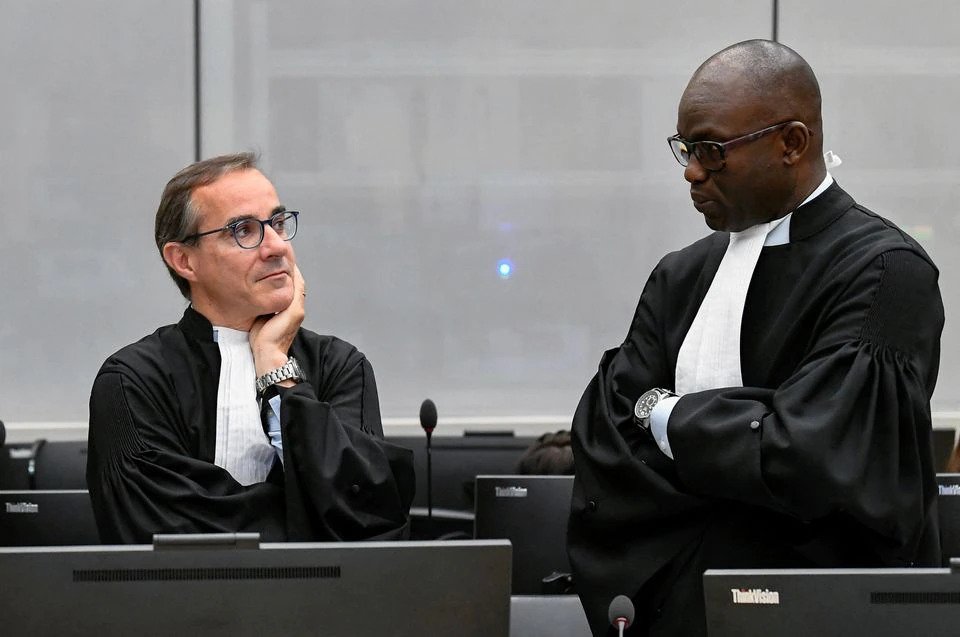
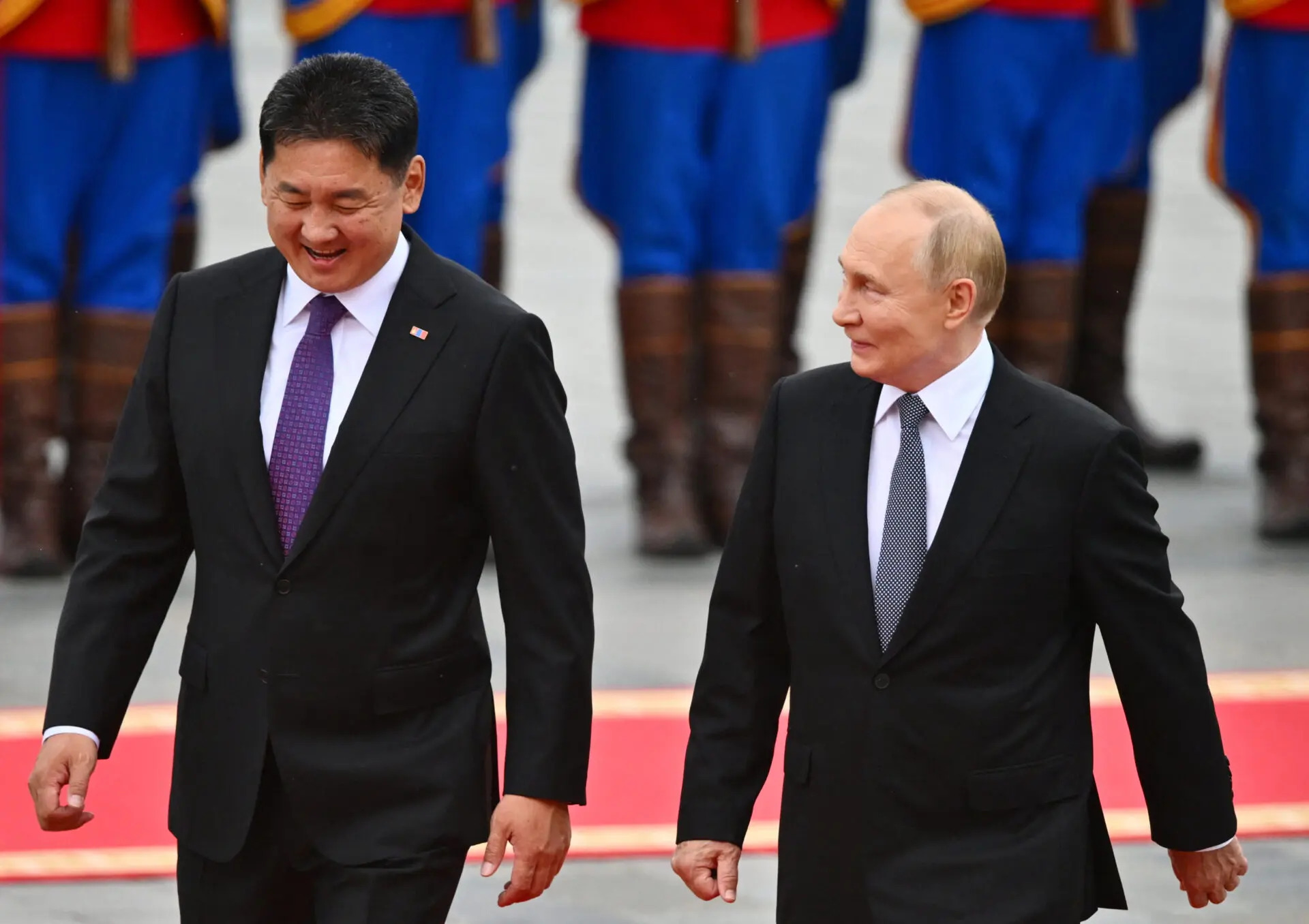
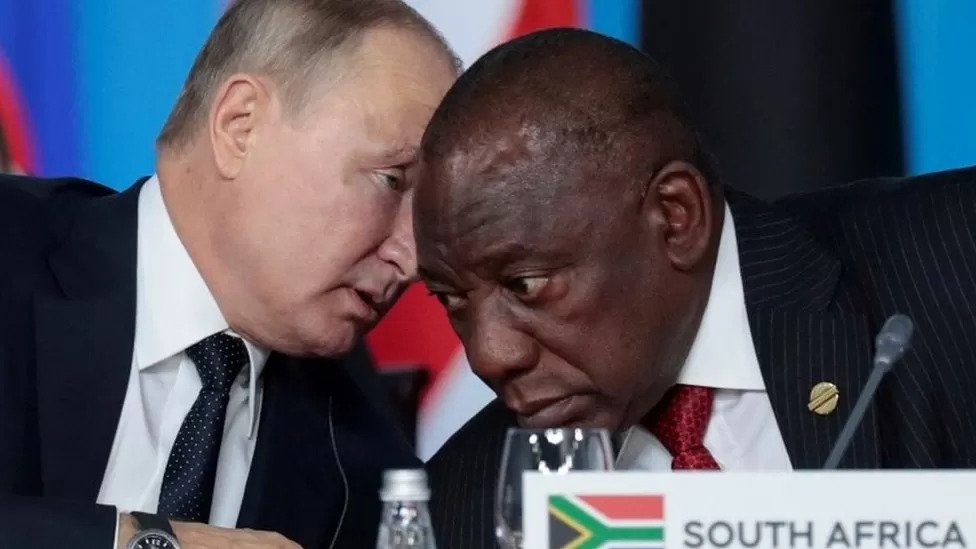
South Africa is considering a revision of its legislation to grant itself the authority to determine whether or not to apprehend a leader who is wanted by the International Criminal Court (ICC), as revealed by a deputy minister in an interview with the BBC. Obed Bapela's statement has emerged amidst widespread speculation regarding South Africa's stance on extending an invitation to President Putin of Russia for a visit scheduled in August. The ICC has issued an arrest warrant for Mr. Putin in relation to the Ukraine war. Initially, South Africa invited him to participate in a summit involving the leaders of Brazil, Russia, India, China, and South Africa (BRICS). As of now, Russia has not confirmed whether President Putin intends to attend the summit. Meanwhile, Pretoria has granted diplomatic immunity to Russian officials attending the event, which the foreign affairs department of South Africa has deemed to be a standard procedure.
Obed Bapela, a deputy minister in the South African presidency, informed the BBC World Service's Newshour program that the proposed law will be presented to parliament in June. Through this legislation, South Africa aims to establish its own criteria for determining whom to arrest and whom to exempt from arrest. Mr. Bapela emphasized that under the current laws, South Africa is obligated to apprehend President Putin if he sets foot on its territory, owing to its membership in the ICC. However, South Africa has chosen not to denounce Russia's invasion of Ukraine and asserts its desire to remain impartial. In March, the ICC issued an arrest warrant for Mr. Putin, accusing him of war crimes, although Moscow has consistently refuted these allegations. In response to President Putin's potential visit in August, South Africa's main opposition party, the Democratic Alliance (DA), has filed a court application demanding the authorities to arrest him. Mr. Bapela revealed that South Africa is also corresponding with the ICC about a waiver.
This waiver refers to Article 98 of the Rome Statute, the treaty that established the ICC in 2002. While Article 27 stipulates that no one is immune from prosecution by the ICC, Article 98 appears to suggest that the ICC cannot request South Africa to apprehend the Russian leader unless Russia agrees to waive Mr. Putin's immunity from prosecution. Mr. Bapela criticized the ICC for its "double standards" and expressed his belief that the late Nelson Mandela, South Africa's first democratically elected president, would have been disheartened by the war crimes court. Referring to the former leaders of the UK and US, Tony Blair and George W. Bush, respectively, and their invasion of Iraq in 2003, he highlighted that they were never indicted by the ICC for the killings of Iraqi people. Mr. Bapela added that Mandela would have identified the ICC's inequality and inconsistency as problematic. Furthermore, he pointed out past instances of international justice exemptions, such as the UK's decision in 1998 not to extradite General Augusto Pinochet. The former Chilean dictator was apprehended in London following a request from a Spanish judge seeking to prosecute him for human rights abuses during his 17-year rule. However, the UK government released him after 16 months based on medical experts' advice, stating that he was unfit to stand trial. General Pinochet passed away in his home country in 2006.