Starlink is coming to Africa, but who will use it?
-
 Loading...
 - Kofi Eshun
- 23 Aug 2022
- 61 Views
- 0 Like
- 0 Comment
Sometime between July and September this year, Starlink expects to go live in two African countries: Nigeria, and Mozambique.
The SpaceX-owned service, which provides internet connectivity using thousands of satellites in space, announced on May 27 that it has received regulatory approvals from both countries. Nigeria gave Starlink two licenses that took effect on May 1 and will expire in 2027 and 2032. The service is registered as an entity in the Victoria Island area of Lagos state.
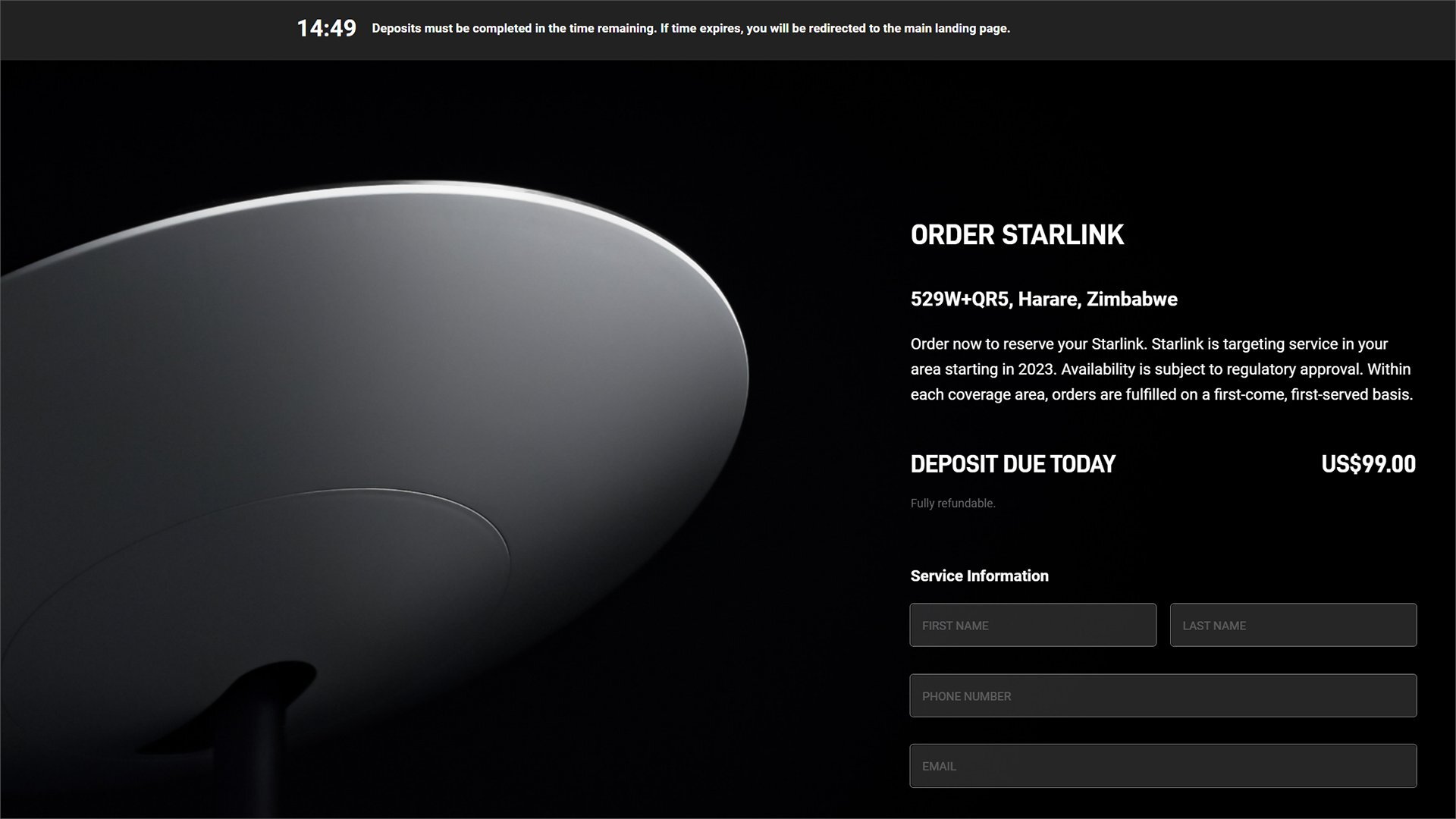
After securing the approvals, Starlink is asking consumers to order installation kits by making a $99 deposit. Some enthusiasts, like the tech YouTuber Fisayo Fosudo, have obliged, eager to see what it delivers.
Can rural “unconnected users” really afford this service?
Starlink targets rural “unconnected” users
Starlink is “ideally suited for areas where connectivity has been unreliable or completely unavailable,” per its website. Where digital banks want to “bank the unbanked,” Starlink wants to “connect the unconnected.”
It’s a good idea on paper for places where internet service providers are slow in extending their masts to rural communities for access to high-speed internet. Typically, those companies are concerned about recovering investments from low-income, low-frequency users, worried about the cost of operations and maintenance (telcos like MTN run diesel generators round-the-clock at their base stations in Nigeria), and fear the cost of repairs after vandalism or theft.
On the contrary, Starlink users everywhere will share the same infrastructure in space.
Each can theoretically access the internet by owning a dish mounted outdoors at a spot exposed to clear skies. That could solve access challenges in countries like Mozambique where only 16% of a population of 31 million people use the internet. Part of the fault lies with infrastructure that is at a third of the required level, according to GSMA’s mobile connectivity index. Read More...