Start Promoting A Healthy Brain Span Today With These 5 Simple Habits
-
 Loading...
 - Marcel Binya
- 11 Aug 2022
- 80 Views
- 0 Like
- 0 Comment
How often do you think about thinking? No really—consider how you recall, process, and interpret the world around you. These functions, collectively known as cognitive health, affect not just your daily experiences but your overall well-being as well.
More specifically, cognitive health plays a major role in your brain span and longevity. But as we get older, cognitive functions tend to change and shift. Here, learn how to maintain and protect crucial neurological processes—no matter your age.
What is cognitive health?
"Cognitive health is [your] ability to think clearly, learn, and remember," explains Julie Rowin, M.D., FAAN, DABMA, integrative neurologist at Verde Valley Naturopathic Medicine.
This includes a range of critical brain functions, such as attention, reasoning, reaction time, and memory. It also includes your ability to process information, navigate relationships, and develop plans and conclusions, adds Rowin.
However, as with all parts of the body, the brain (and therefore, cognitive well-being) naturally changes as you age. For starters, neurons (nerve cells) shrink over time, which reduces gray matter in the brain.
Gray matter is the tissue involved in daily cognitive functioning. Neurogenesis, or the production of new nerve cells, also slows down later in life, which can ultimately affect optimal cognition.
These changes are a normal part of getting older, meaning everyone experiences them to some degree as they age. "Some older individuals may find that they're not as fast as younger adults on tasks that require learning and memory," Rowin explains.
Other cognitive functions such as attention and decision-making might also shift with age.
How cognitive health affects longevity.
Cognitive health is used for much more than recalling fun facts or your neighbor's name. It's a critical component of brain health and longevity.
But take note—this isn't about trying to stay young or alive forever (which is impossible, anyway!). Instead, it's about supporting your brain in a way that enables you to age gracefully and, ultimately, live a long and healthy life.
Needless to say, taking care of your brain is vital, especially over time. As Rowin explains, "A lifetime of cumulative events—such as stress, surgery, and environmental toxin exposure—can impact cognitive health and longevity. [And] as life spans increase, it's important to optimize cognitive health to maintain quality of life and independence."
It's worth mentioning that some factors of cognitive health are out of our control. This includes genetics and family history, which directly influence how your brain and body both change over time.
However, Rowin notes that implementing healthy lifestyle strategies can enhance and support cognitive function throughout life.
How to support cognitive health.
At first thought, altering your habits in the name of cognitive function may seem intimidating. But know that you don't need to upend your lifestyle to experience positive effects. In fact, it's those small, gentle changes that will make the biggest impact.
Start by adopting the following strategies to care for your brain. When done regularly, these behaviors will enhance cognitive function by supporting your brain's structure, protecting neurons and enhancing blood flow (so your brain gets all the oxygen and nutrients it needs to operate at full capacity).
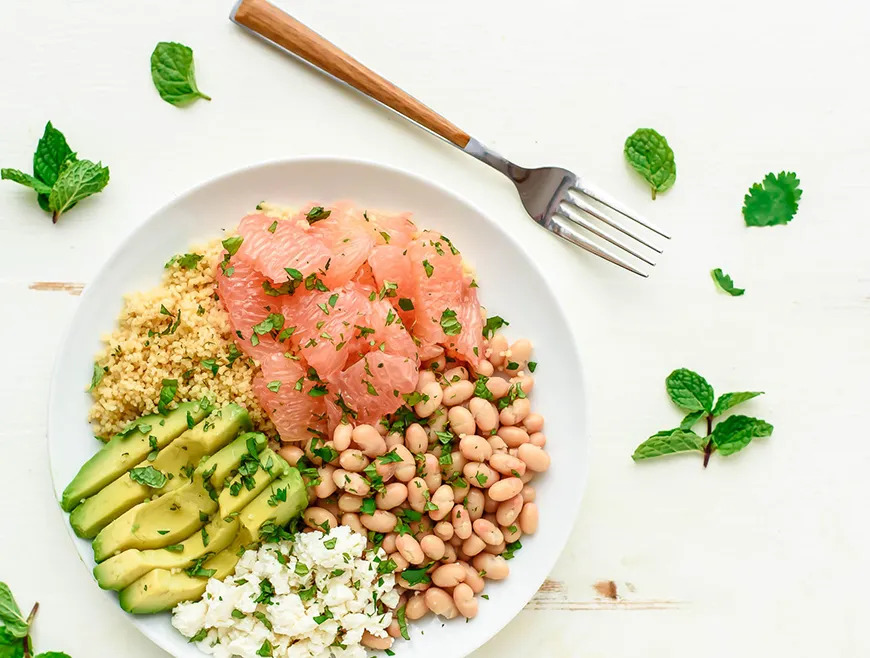
Eat brain-supporting foods.
Nutrients from food act as fuel for the brain (just like the rest of your body), says Isa Kujawski, MPH, RDN, registered dietitian nutritionist and founder of Mea Nutrition.
Additionally, "diet is tied to the health of the gut microbiome, which interacts with the central nervous system and influences brain behavior," Kujawski explains. Simply put, a healthy and balanced diet is key for supporting brain health and cognitive processes.
Specifically, brain-friendly nutrients include:
1. Omega-3s. Omega-3s are polyunsaturated fatty acids. They're an important component of cell membranes, says Kujawski, which sets the stage for smooth cell signaling. "Omega-3s help regulate proper blood flow in the brain, which is necessary for cognitive tasks, especially memory," she adds. Excellent sources of omega-3s EPA and DHA include fatty fish (think salmon, anchovies, and sardines) and chia or flaxseeds for ALA.
2. Antioxidants. Antioxidants protect the brain by actively combating oxidative stress and supporting a healthy inflammatory response. Examples of antioxidant-rich foods include those powerhouse omega-3s again and most plants, especially berries, dark green leafy vegetables, and green tea.
3. High-quality proteins. Complete proteins—such as salmon, chicken breast, tempeh, and eggs—help "provide essential amino acids, which are the backbone for neurotransmitters (the chemical messengers in the brain)," says Kujawski.
Fiber. According to Kujawski, "Both soluble fiber and insoluble fiber are important for gut health, as they act as food for friendly gut bacteria." This keeps the gut healthy—which, again, is connected to the proper function of the brain and central nervous system.
Kujawski adds that the brain accounts for about 20% of the body's daily resting energy expenditure, so getting enough fuel from food is important for the brain in general (and, at all ages). Read More...