Street Fighter 6 is designed to be a fighter ‘that everyone can play'
-
 Loading...
 - Henrik Farkas
- 28 Jun 2022
- 156 Views
- 0 Like
- 0 Comment
Street Fighter has been around since 1987, starting life as an arcade phenomenon before eventually selling an estimated 47 million copies across various iterations and platforms. Even still, Nakayama believes it can reach a much larger audience. “I want to make a Street Fighter game that everyone can play, not just core fans,” he says. “I want to share the love that I have for Street Fighter with as wide of an audience as possible.”
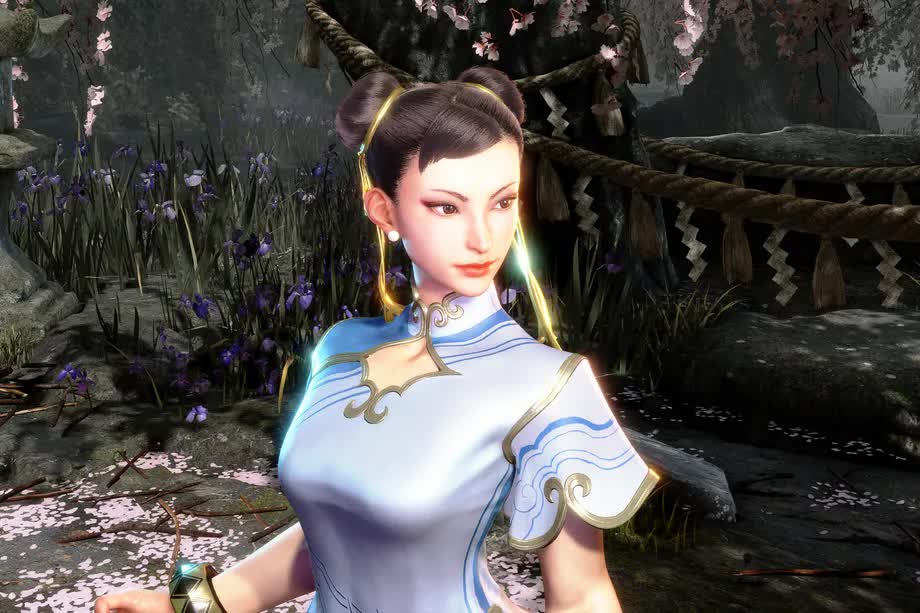
It’s a game that looks incredible in motion but also one that makes some key changes to the series’ formula in an attempt to broaden the audience, not just for Street Fighter but for fighting games in general.
“I SEE FIGHTING GAMES AS A FORM OF COMMUNICATION BETWEEN PEOPLE.”
For the director, it was a chance to finally see real players experiencing the game he’s been working on since 2018. “I see fighting games as a form of communication between people,” he explains. “Online play is great, but actually seeing people play against each other in real life and being excited and competitive, it’s been great.”
The most obvious addition to Street Fighter 6 is a new control scheme. In addition to the traditional — and comparatively complicated — control layout, there’s a new option called “modern,” in which many special attacks are reduced to a single button. The idea is to make it so players can still do cool things in the game, like toss a fireball, without memorizing tricky button combinations. It was incredibly simple to pick up during my short time with the game, even though I haven’t played a SF game seriously since Third Strike. That said, it was hard to tell whether players will have an advantage over each other depending on which control scheme they’re utilizing.
But even with simpler controls, fighting games are still full of plenty of hidden depth, and so Nakayama and his team have developed a new kind of structure with the intention of easing new players into the Street Fighter universe. While the developers aren’t giving away too many details just yet, one of the more intriguing modes is described as an “immersive single-player story mode” called World Tour. Nakayama calls it “a journey that will help players feel familiar and comfortable with Street Fighter.”
“THESE MODES ARE MEANT TO CONNECT THE PLAYER JOURNEY IN MULTIPLE WAYS.”
“We can’t dive into the specifics in terms of what you can actually do in World Tour, but what we can say is there will be a narrative, and going through that story will allow the player to learn how to do different things,” he explains. “Beyond that, there will be moments where players can really learn who these legacy characters are.
Outside of the single-player portion of Street Fighter 6, the game will also include a mode called Fighting Ground (which brings together “all of the modes found in Street Fighter V,” according to Capcom, including mainstays like arcade and practice) and the similarly mysterious Battle Hub, which the developer says lets “players to seek out friendly rivalries.”
While there are still many details of these modes yet to be revealed, Nakayama says that the idea is that different types of players will be able to use them in different ways. A new player, for instance, might get acquainted with Street Fighter through the campaign before moving on to eventually play online with friends, ultimately leading to competitive multiplayer. “These modes are meant to connect the player journey in multiple ways,” Nakayama explains.
“I WANTED TO SHARE THAT EXCITEMENT.”
Even some seemingly smaller features, like the recently announced commentary option, are meant in part to aid newcomers. Street Fighter 6 gives the players an option to turn on real-time commentary from noted fighting game community figures; the two announced commentators thus far are Jeremy “Vicious” Lopez (English) and Aru. In practice, it’s like playing a sports game, with relevant feedback about what’s happening in the match. It was designed to be approachable — so don’t expect lots of fighting game jargon — and Nakayama says it came about initially because he was a fan. “The intention was to bring that same feeling to people who may not be competing in tournaments,” he explains. “I wanted to share that excitement.” Read More...