Struggling with Hair Fall in Winter? Here's Why It Happens and How to Stop It
-
 Loading...
 - Mido Nabil
- 07 Jan 2025
- 192 Views
- 0 Like
- 0 Comment
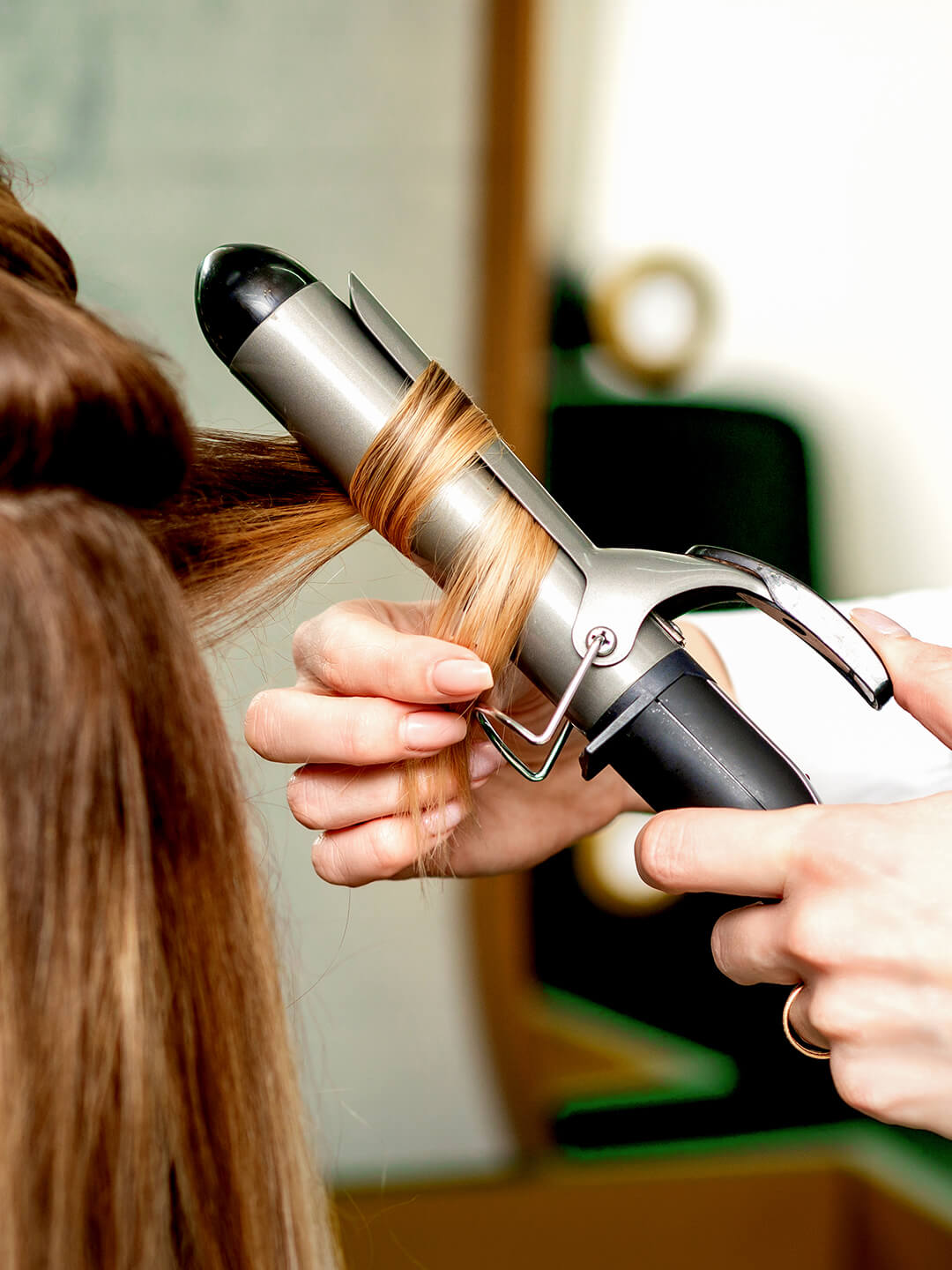
Winter brings dry and cold weather, which can significantly impact your hair health. The combination of low humidity and cold temperatures can cause your scalp to lose moisture, leading to dryness, irritation, and brittle hair strands. This makes hair more prone to falling out. Additionally, the frequent use of heating devices strips natural oils from the scalp, exacerbating the problem. Seasonal shedding is also common, as hair follicles may enter a resting phase during this time, resulting in temporary hair loss.
Reduced exposure to sunlight in winter can lower vitamin D levels, slowing down cell renewal and weakening hair follicles. Hormonal fluctuations during seasonal transitions may further contribute to hair shedding.
Symptoms of Winter Hair Fall
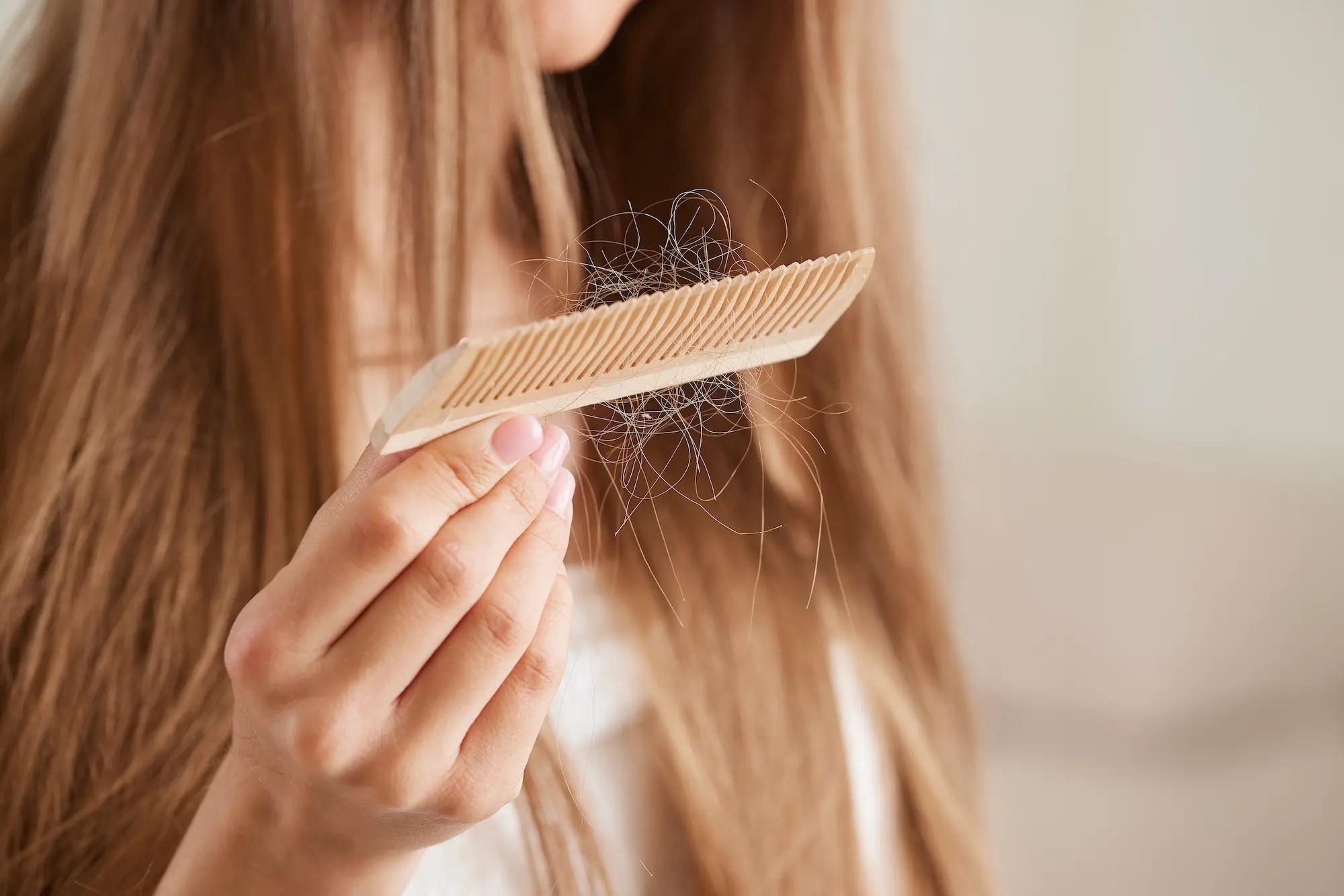
You may notice increased hair shedding during brushing or washing, often leaving clumps of hair behind. Hair may feel dry and brittle, with split ends becoming more frequent. The scalp might also become flaky and itchy due to dryness.
How to Stop Hair Fall in Winter
Home Care Tips
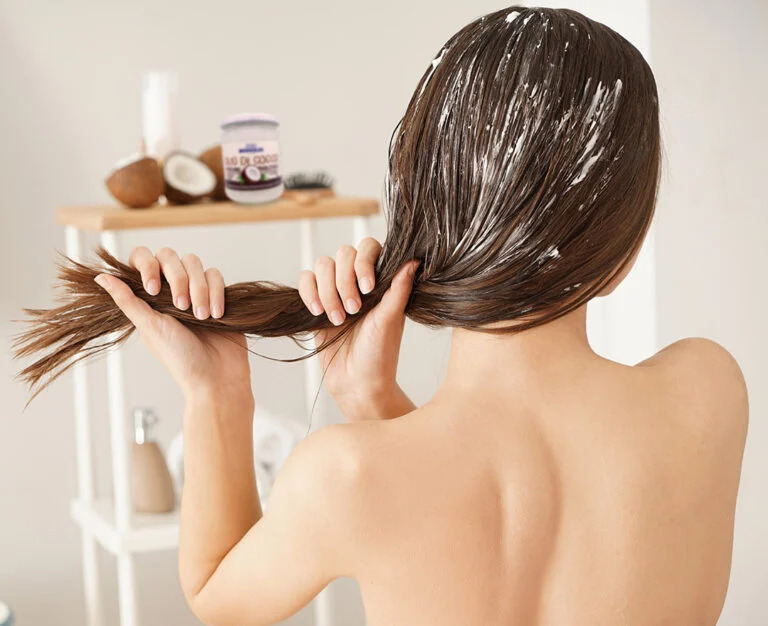
- Moisturize Regularly: Use nourishing hair oils like coconut, argan, or olive oil to restore hydration and strengthen hair strands.
- Avoid Overwashing: Limit washing your hair to 2–3 times a week with a mild, sulfate-free shampoo to retain natural oils.
- Use Lukewarm Water: Hot water can damage hair cuticles and lead to dryness, so opt for lukewarm water when washing.
- Protect Your Hair: Shield your hair from harsh winter winds by wearing hats or scarves, and consider using leave-in conditioners to lock in moisture.
Dietary Adjustments
Your diet plays a crucial role in maintaining healthy hair. Incorporate foods rich in omega-3 fatty acids, such as salmon, walnuts, and chia seeds, along with biotin and zinc-rich options like eggs, almonds, and spinach to strengthen hair from within.
Hydration is equally essential; drinking adequate water ensures your scalp stays nourished and prevents excessive dryness. Consider incorporating vitamin D supplements during winter to help maintain healthy follicle function.
Professional Treatments
For those experiencing severe hair fall, professional treatments can be beneficial:
- Scalp Hydration Therapies: These focus on deeply moisturizing the scalp and combating dryness, promoting healthier hair growth.
- Platelet-Rich Plasma (PRP) Therapy: This treatment strengthens hair follicles by injecting growth factors directly into the scalp.
- Hair Mesotherapy: This involves delivering nutrients like vitamins, amino acids, and minerals into the scalp to stimulate growth and reduce shedding.
Prevention and Maintenance
Minimizing seasonal hair fall requires a combination of hydration, protection, and nourishment. Simple steps like wearing protective headgear to shield hair from harsh winds and using deep conditioning treatments can prevent breakage and maintain hair health.
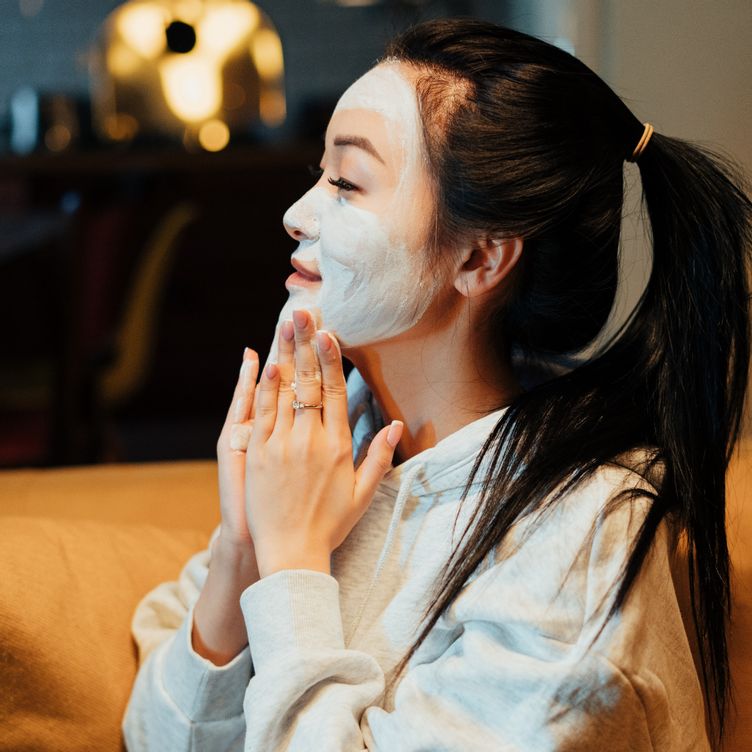
Investing in high-quality hair care products suited to your hair type and incorporating a weekly hair mask routine can also help prevent winter-induced damage. By following a consistent care routine and seeking professional guidance when needed, you can effectively manage winter hair fall.
Healthy hair begins with a healthy scalp, and winter care should focus on both. By understanding the causes of winter hair fall and implementing these tips, you can keep your hair strong, nourished, and resilient throughout the colder months.