Students Stage Andean Art Exhibition, Meet Artists
-
 Loading...
 - Harris Jake
- 15 Feb 2023
- 77 Views
- 0 Like
- 0 Comment
Associate Professor of Romance Languages and Literatures Carolyn Wolfenzon Niego wanted her students to embrace more than literature in her class on the culture of the South American Andes—which is why they have curated their own exhibition, which opens this week at the Bowdoin College Museum of Art.
The class—The Modern Worldview of the Andes: Art, Literature, Architecture, and the Environment—was taught over the fall semester and is the first to be cross-listed in Hispanic studies and urban studies, said Wolfenzon.
“By exploring art, literature, and architecture, this course, which was taught entirely in Spanish, looked at the different ways in which the three main countries in the Andes—Peru, Ecuador, and Bolivia—have dealt with processes of social, political, and cultural modernization from the late nineteenth century until today,” she explained.
“Students were required to reads works by writers from the region, such as Clorinda Matto de Turner, César Vallejo, José María Arguedas, and Mario Vargas Llosa, in an effort to analyze how internal migration to the cities of Lima, Quito, and La Paz has affected and reconfigured Andean identities.” Wolfenzon also wanted to take students beyond the written word by examining the work of Andean architects such as the iconic Bolivian Freddy Mamani and how they changed the urban dynamics of the cities, impacting both the economy and the natural environment.

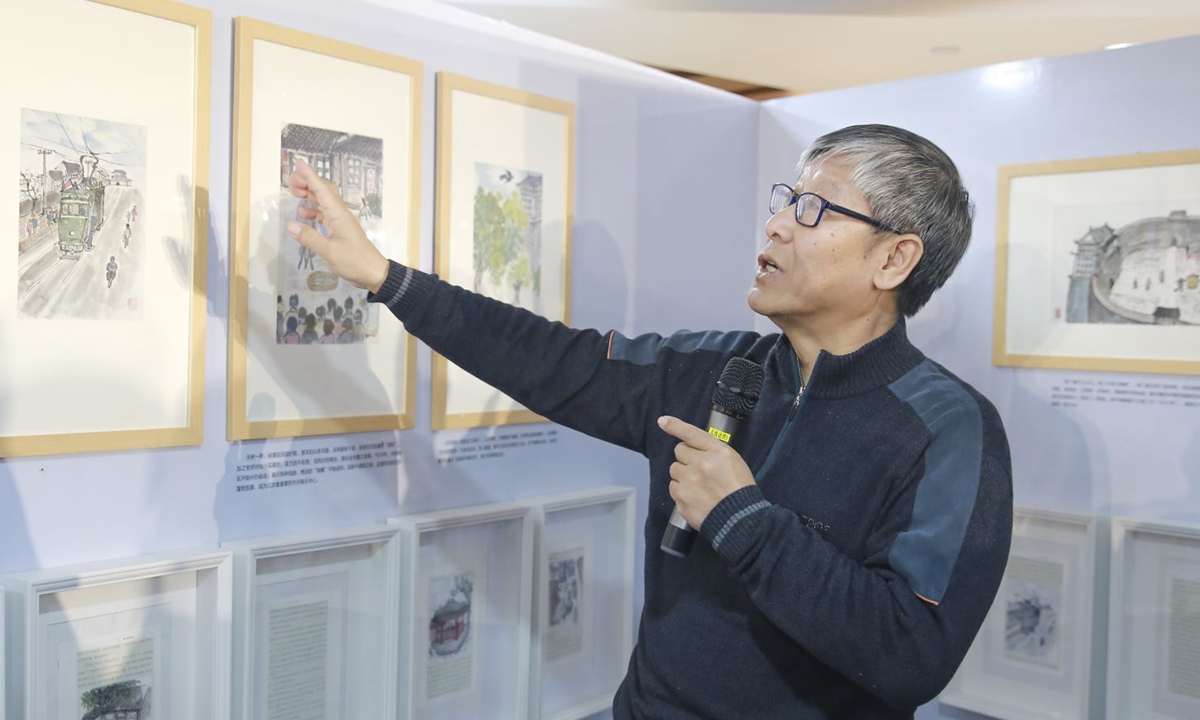
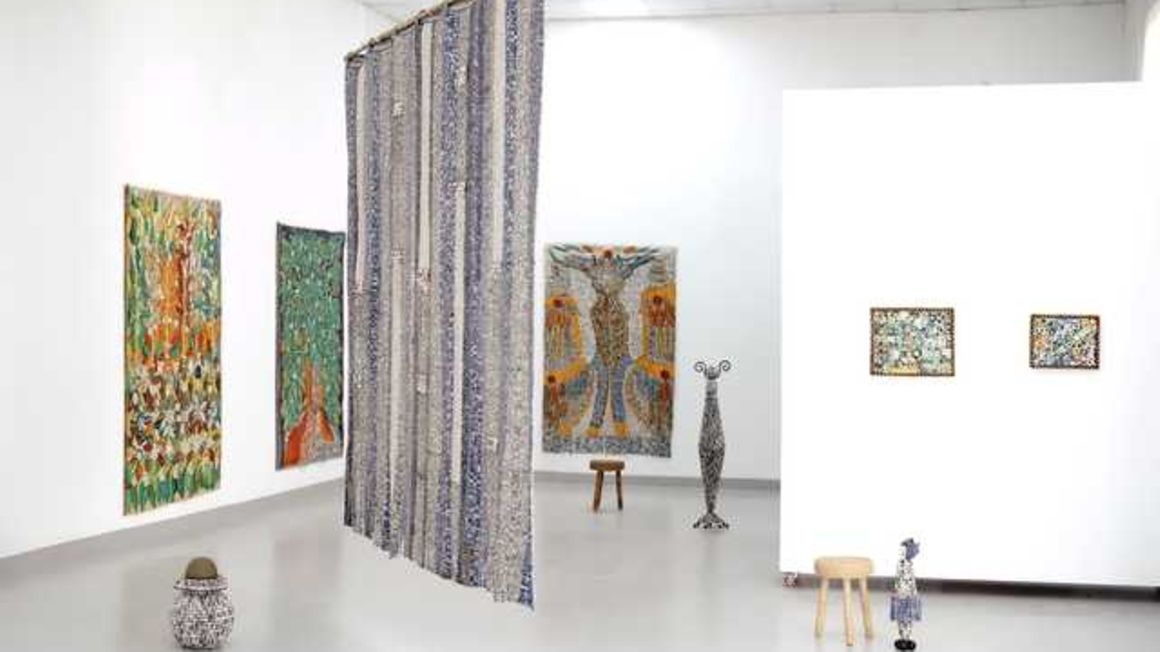
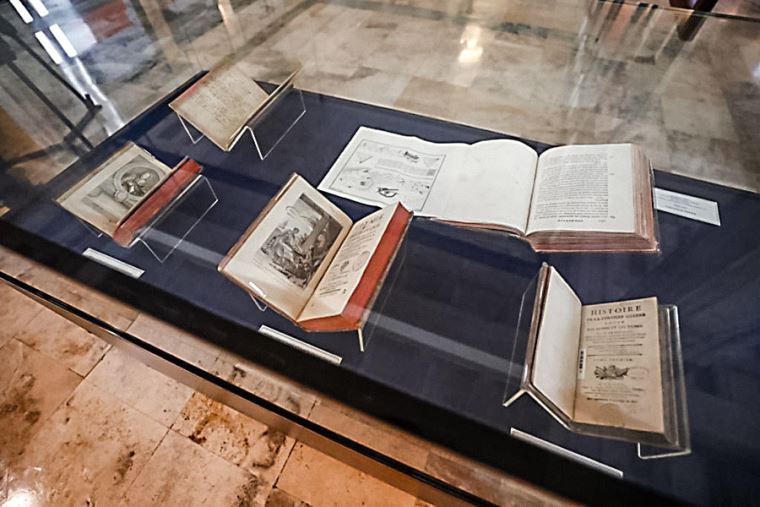
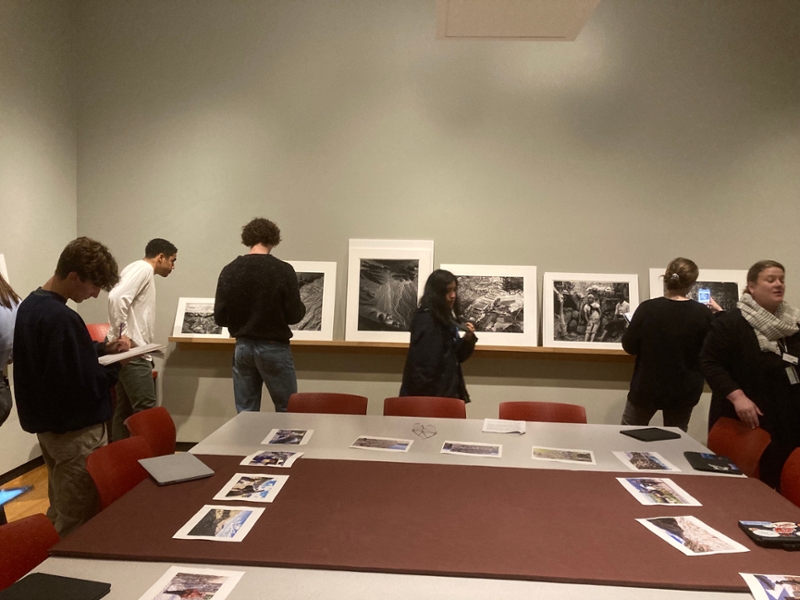
The third component of the course looks at the contribution of visual artists, and for this, Wolfenzon had the students organize and curate their own show at the Bowdoin College Museum of Art. The show features mostly photography from the region. “This is somewhat similar to what I did in 2019 with an exhibition about Mexico, the major difference, however, being that these students were able to talk to the some of the featured artists as they planned the show,” she said.
“The Andean world is so different from the Western world, and I thought it was important to explore how the region’s artists, as well as its writers and architects, have a completely different way of relating to their vision of the world (‘cosmovision’ in Spanish). This is why I needed the visual component in order to understand better their way of connecting,” she explained. Read More…