Sudan Crisis: Between coup and drafted constitutional document
-
 Loading...
 - Kumi Mintah
- 26 Sep 2022
- 79 Views
- 0 Like
- 0 Comment
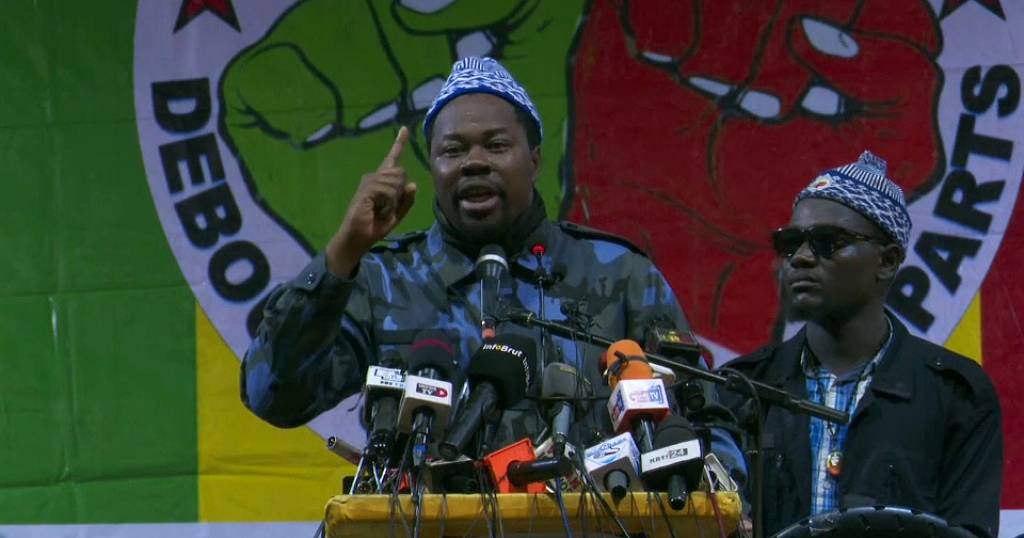
The dawn of October 25, 2021, was a turning point in Sudan. The Chairman of the Sovereignty Council and the Commander-in-Chief of the Sudanese Army, General Abdel Fattah Al-Burhan, staged a military coup and froze the provisions of the constitutional declaration and arrested Prime Minister Abdallah Hamdok, along with a number of other prominent ministers and politicians.
This coup practically terminated the civil democratic transition launched following the triumph of the December Revolution in April 2019. This process effectively began in August 2019 after an agreement between civil political forces and the military component to share power under the Constitutional Document. The agreement stipulated the transfer of the chairmanship of the Sovereignty Council – a collegial head of state body – from the military to the civilian in the last third of the transitional period. Perhaps the approach to this milestone was the main reason that prompted the military to stage a military coup and seize power. The subsequent November 21 agreement that Prime Minister Hamdok made unilaterally with the military did not succeed in restoring the transitional path, which led to his resignation in early January 2022, bringing the country into the ongoing coup crisis so far.
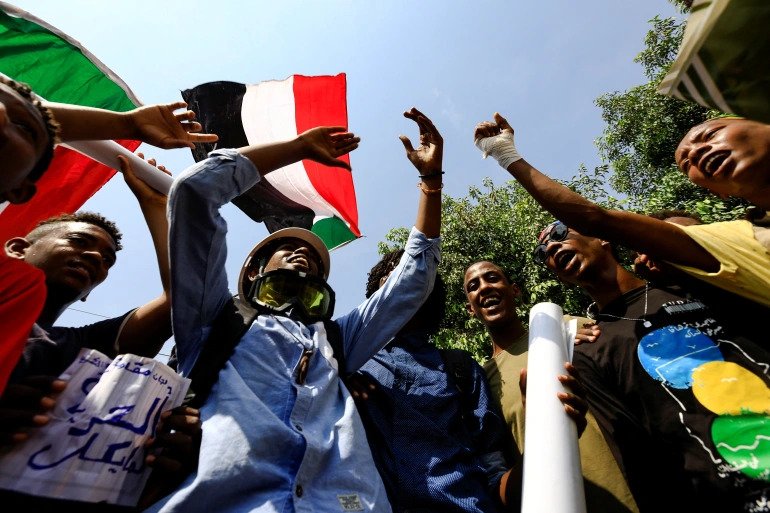
The coup and its consequences were a manifestation of a deeper political crisis. The December 2018 revolution has not only succeeded in bringing down one of the most brutal dictatorships in the world. It also opened the door widely to direct political participation outside the classical political class triangle of the Army, Political Parties, and the Market (the business community). This was supposed to be a positive political development but the structural deformities of the Sudanese political practices did not allow so.
The legitimacy of the Sudanese classical political class has been continuously challenged since the independence of Sudan. The civil wars; in the South, East Sudan, Darfur, and the Two Areas, the numerous coups against the rule of the political parties during the democratic eras, and the popular revolutions that ousted military governments three times in less than 60 years, all stand witness to the growing remonstration among large segments of the Sudanese against the legitimacy of the political class controlling the country. Read More...