Sudan Throttles Its Internet

Slowing down internet connection speeds in Sudan
Internet throttling, also known as bandwidth throttling, is the practice of intentionally slowing down internet connection speeds. This technique is often used by governments and internet service providers (ISPs) to limit access to certain websites or online services. In recent years, internet throttling has become an increasingly common tool for governments to suppress dissent and control the flow of information.
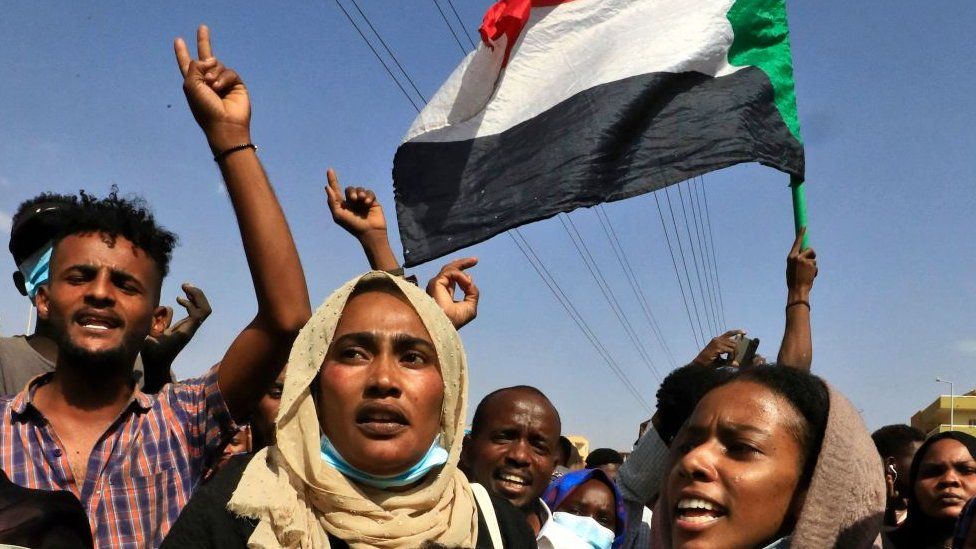
One country that has recently been in the news for throttling its internet is Sudan. In June 2019, the Sudanese government began limiting access to the internet in response to widespread protests calling for democratic reform. Since then, the government has continued to throttle the internet, severely limiting access to social media, messaging apps, and other online platforms.
Background on Sudan
Sudan is a country in North Africa with a rich history and a diverse population. The country has been plagued by conflict and political instability for much of its modern history, with numerous civil wars and coups taking place over the years. In April 2019, longtime dictator Omar al-Bashir was overthrown in a military coup, following months of protests calling for his ouster.
Since then, Sudan has been in a state of political transition, with a civilian-led government working to establish democratic institutions and build a more stable future for the country. However, the transition has been fraught with challenges, including economic instability, ongoing conflict in certain regions, and resistance from elements of the military and security forces.
Reasons for Internet Throttling in Sudan
There are several reasons why the Sudanese government has chosen to throttle the internet in recent years. One of the primary reasons is to suppress dissent and limit the spread of information that could be critical of the government. By limiting access to social media and other online platforms, the government is able to control the narrative and prevent opposition groups from organizing and mobilizing.
In addition to political reasons, there are also economic and social factors that have contributed to internet throttling in Sudan. The country's infrastructure is poorly equipped to handle high volumes of internet traffic, which has led to frequent outages and slow connection speeds. Throttling the internet is seen as a way to ease the strain on the network and prevent widespread outages.
Finally, there are also social reasons for internet throttling in Sudan. Many Sudanese people use social media and other online platforms to spread hate speech and incite violence.