Summer houses in Denmark: What are the rules and when can you live in them?
-
 Loading...
 - Sarah Williams
- 19 Oct 2022
- 116 Views
- 0 Like
- 0 Comment
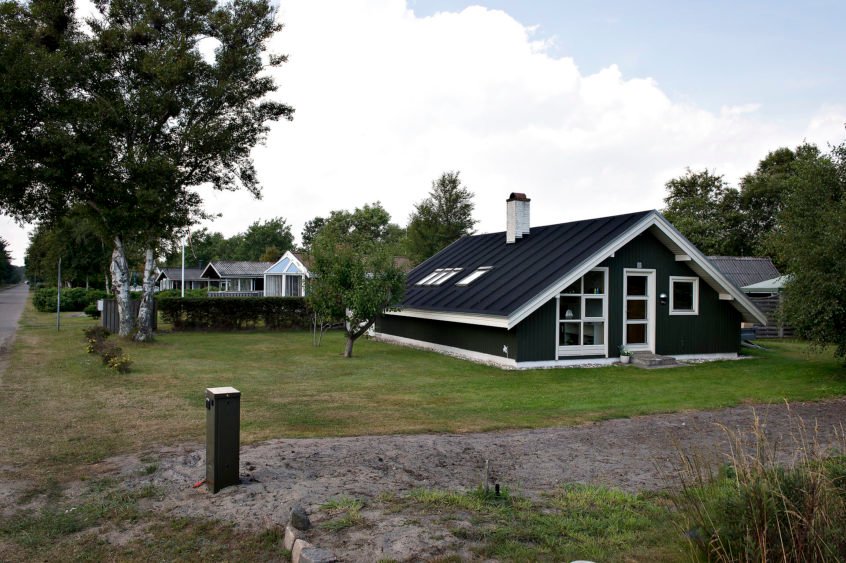
Summer houses are properties in which residence is not usually permitted year-round. Rules preventing permanent use are in place to ensure summer house areas remain recreational in nature; to limit new construction in valuable and uninhabited coastal areas; and to protect natural landscapes from wear and tear.
Owners of homes which are not summerhouses (helårsboliger) are generally required to ensure that their properties are lived in for at least 180 days per year, either by themselves or by tenants. This is known in Danish as a bopælspligt, literally “obliged residence”. Although it’s not actually mentioned in Danish law it is practiced due to tax rules.
Local authorities decide through zoning laws (lokalplaner in Danish) which housing within their municipal limits are required to comply with bopælspligt rules.
The purpose of these rules is, in part, to prevent unhindered property speculation.
Summer houses are not generally built with full-time residence in mind. As such, they are less isolated and not as well heated as regular housing. That means energy bills will be higher for the time they are used, especially if this is not during the summer.
When am I allowed to live in a summer house?
As well as being required to live in your regular house for at least 180 days of the year due to the bopælspligt, local authorities do not generally permit residence in summer houses in the winter months, meaning from November 1st-March 1st.
This does not mean that summer houses may not be used at all during the winter, but longer stays are not allowed. Read More...