Supreme Court Allows Education Department To Relieve Some Student Loans
-
 Loading...
 - Fedrick Jesus
- 22 May 2023
- 51 Views
- 0 Like
- 0 Comment
d school discharge.
ChatGPT
The Supreme Court has rejected an attempt to block a $6 billion settlement between the U.S. Education Department and around 300,000 student loan borrowers who were deceived or misled by their colleges.
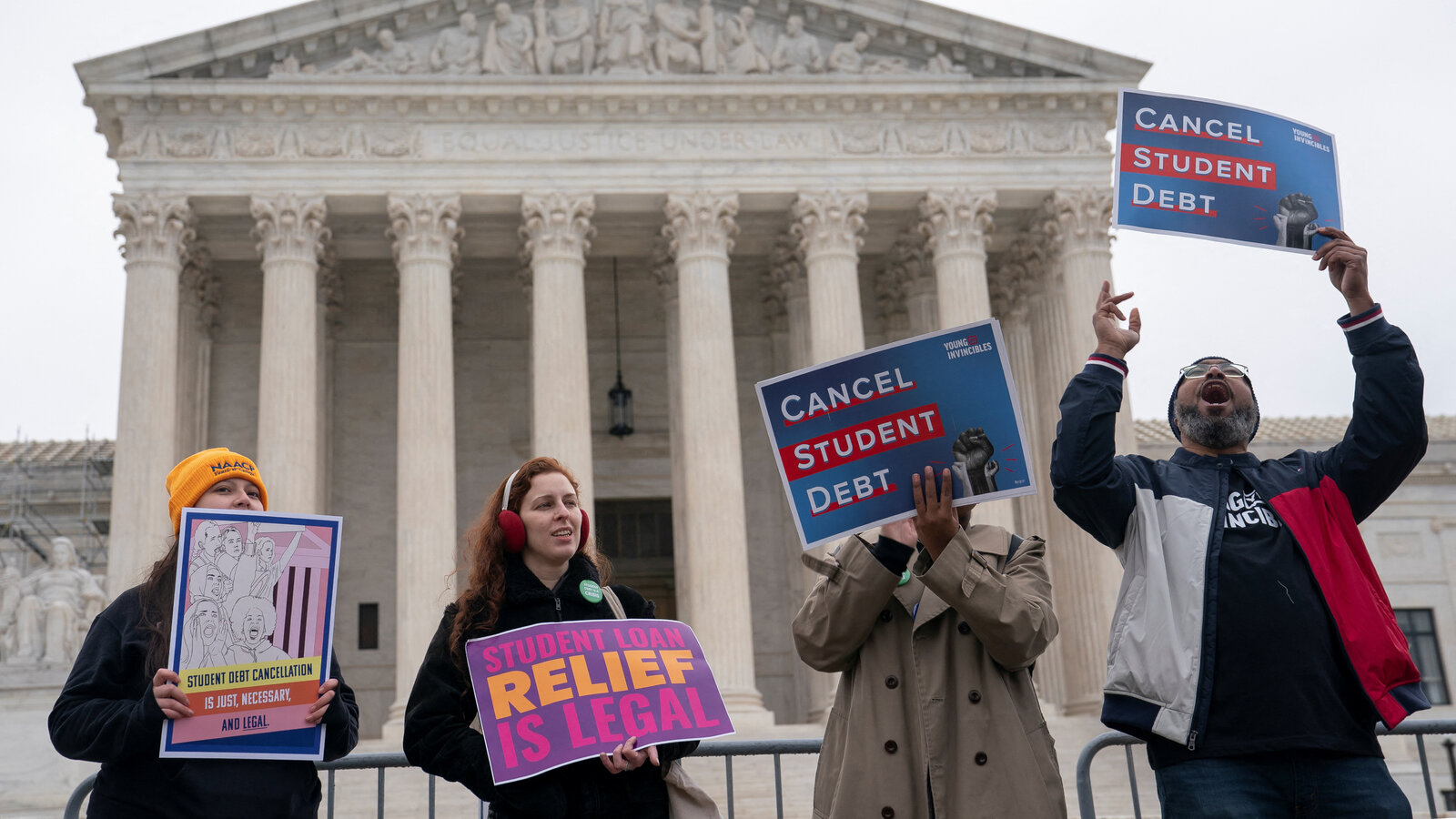
The decision, made last week, is a result of a class-action lawsuit from 2019 that is unrelated to the ongoing cases challenging President Joe Biden's proposal for widespread debt relief. Earlier this year, conservative justices of the court expressed skepticism towards Biden's plan, which aims to forgive up to $20,000 in loans for low- and middle-income Americans.
The recent decision by the Supreme Court, however, demonstrates a willingness to consider debt forgiveness for at least some students. It also suggests an alternative means of achieving this outcome if Biden's plan faces opposition.
Thousands of defrauded students can now expect relief from their student loan debt. These borrowers, who have been deceived by their educational institutions, are eligible for assistance through a process called "borrower defense to repayment." This process primarily supports former students of for-profit colleges who face higher loan default rates and struggle to find employment compared to their peers who attended other types of higher education institutions.
In 2019, a lawsuit known as Sweet v. Cardona was initiated by former students whose borrower-defense claims had been halted by the Trump administration's education department. Under the Biden administration, the case moved forward, resulting in a settlement that provides over $6 billion in debt relief to 290,000 borrowers. In November, a federal judge granted final approval to the borrowers.
However, earlier this year, three of the institutions mentioned in the settlement, namely Lincoln Educational Services Corp., American National University, and Everglades Colleges Inc., petitioned for a stay on the relief. These for-profit institutions, accused of fraudulent practices, argued that the settlement exceeded federal authority, tarnishing their reputation. They requested time to address the claims and allow the appeals process to unfold.
Eileen Connor, president and director of the Project on Predatory Student Lending, expressed disappointment with the institutions' actions, stating, "The schools sought to take advantage of the prevailing political climate by falsely equating the resolution of long-standing and hard-fought litigation with an entirely different program of widespread debt cancellation currently under review by the Supreme Court. It is unfortunate that those who have patiently awaited the recognition of their legal rights are now entangled in political and ideological agendas unrelated to their circumstances."
Last week, the court denied the requests for a stay, enabling the Education Department to continue discharging loans. In total, the department will have forgiven $20 billion in student loan debt through borrower defense claims or closed school discharge.


