Sustainable Art Practices: How American Artists Are Going Green
-
 Loading...
 - Shane Higgins
- 27 Jan 2025
- 46 Views
- 0 Like
- 0 Comment
In recent years, the art world has begun to embrace a fundamental shift toward sustainability, with a growing number of American artists incorporating eco-friendly practices into their creative processes. As the green art movement gains momentum, artists are not only reimagining their artworks but also reassessing their impact on the environment. This article delves into the rise of sustainable art in the USA, highlighting key innovators and exploring how they are forging a path toward a more eco-friendly future.
The green art movement is characterized by an increased awareness of environmental issues, driven by the urgency of climate change, resource depletion, and waste management challenges. Artists across the United States are harnessing their creative talents to address these pressing concerns. Many are exploring sustainable themes in their work, while others are dedicated to minimizing their environmental footprint through eco-friendly materials and processes.
This trend signifies a critical transformation in the way art is created, consumed, and valued. As American artists rethink their practices, we see the emergence of innovative techniques, sustainable sourcing of materials, and the integration of social activism into their narratives.
Redefining Artistic Creation
One of the primary ways artists are committing to sustainable art practices is by utilizing eco-friendly materials. Traditional art supplies often contain harmful chemicals and non-biodegradable substances that are detrimental to the environment. In contrast, sustainable art favors natural, recycled, or reclaimed materials that have a minimal ecological impact.
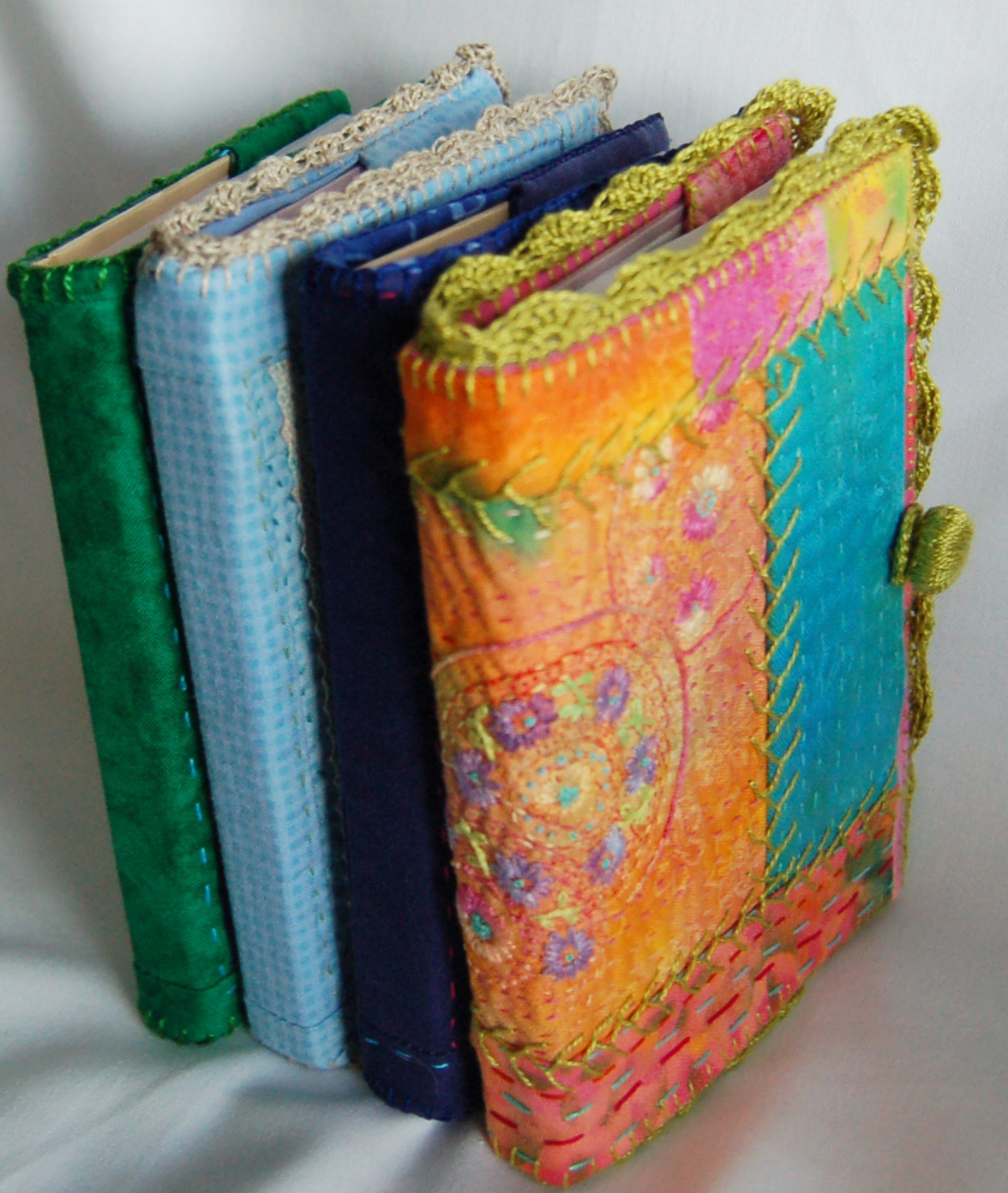
For instance, many artists are turning to organic paints made from plant-based pigments and natural binders. These paints not only offer rich colors but also eliminate toxic fumes and waste associated with conventional art supplies. Additionally, artists are discovering the potential of using recycled paper, upcycled fabrics, and found objects to create original works, fostering a sense of resourcefulness and creativity.
Prominent figures within the sustainable art sphere, such as Ellen Jewett and Michael Jantzen, exemplify the use of sustainable materials in their artwork. Jewett is known for her intricate sculptures of animals fashioned from reclaimed materials, emphasizing the importance of coexistence with nature. Meanwhile, Jantzen’s architectural installations and conceptual designs highlight innovative techniques for reducing waste and harnessing renewable resources.

Eco-Conscious Techniques
Beyond their choice of materials, many artists are adopting eco-conscious techniques to minimize their environmental footprint. This includes altering their working processes to incorporate sustainability at every stage, from conception to exhibition. Collaborative projects involving local communities and artists are becoming more common, fostering awareness around environmental challenges while providing a platform for shared voices.
Environmental artist Maya Lin, renowned for her work on the Vietnam Veterans Memorial, extends her commitment to sustainability through her engagements with landscape design and restoration projects. Lin’s “What Is Missing?” project encourages ecological stewardship and raises awareness about biodiversity loss through art installations that resonate with nature’s fragility.
Moreover, advances in technology have opened new avenues for sustainable practices. Digital art and virtual installations are on the rise, enabling artists to reach audiences without the need for physical materials or transportation. This approach eliminates the waste associated with traditional art forms and encourages a more sustainable method of creative expression.
Sustainability in Public Art and Community Engagement
The commitment to sustainable art practices extends beyond individual studios, finding its way into public art initiatives and community programs. American artists are collaborating with local governments, environmental organizations, and activists to install art that directly engages with environmental themes and promotes sustainability.
Public projects often transform neglected spaces into vibrant art installations while raising awareness about local environmental challenges. For example, the “Trash Talk” project, conceived by artist Chris Jordan, highlights the staggering amounts of waste generated in American society through large-scale photographic representations of trash. This work serves as a reminder of consumption’s impact on the world and its potential consequences.
Additionally, community-based art initiatives empower individuals to engage in dialogue regarding environmental issues, using creativity as a vehicle for transformation. Programs focusing on eco-art educate participants about sustainability and encourage collaboration on environmentally themed projects.
The Role of Art Institutions
As sustainable art practices gain traction, art institutions in the USA are also beginning to embrace this movement. Galleries, museums, and educational institutions are organizing exhibitions that showcase eco-friendly art and highlight the importance of sustainability in the creative process.
Various art fairs and biennials now include sections dedicated to sustainable art practices, allowing artists to present their work alongside discussions centered on environmentalism and social responsibility. These platforms not only celebrate artists leading the way in sustainable practices but also offer them an opportunity to engage with broader audiences and inspire dialogue around eco-friendly initiatives.
Beyond showcasing art, institutions are increasingly committed to sustainability in their operations. From adopting green building practices and implementing recycling programs to reducing energy consumption through renewable alternatives, many are actively striving to reduce their ecological footprint.
Challenges and Considerations
While the rise of sustainable art practices offers exciting new opportunities, it also presents challenges. Artists often face difficulties in accessing affordable eco-friendly materials or alternative processes that fulfill both artistic and ethical criteria. Additionally, the market for sustainable art is still developing, raising questions regarding pricing, valuation, and curatorial support.
The green art movement prompts important discussions about the nature of art itself. As artists navigate ethical considerations surrounding environmental degradation, they must balance traditional artistic ideals with the growing responsibility of addressing pressing global challenges.