Sweden is currently undertaking the construction of the first electrified road in the world, designed specifically for Electric Vehicles (EVs) to recharge while in motion
-
 Loading...
 - Alden Murray
- 01 Jun 2023
- 73 Views
- 0 Like
- 0 Comment
Sweden is currently undertaking an extraordinary endeavor by constructing the world's first permanent electrified road, allowing electric vehicles (EVs) to charge while on the move. This groundbreaking initiative sets the stage for the potential expansion of an additional 3,000 kilometers of electric roads throughout Sweden by the year 2035.
In response to the recent passage of a significant EU law mandating zero CO2 emissions for all newly sold cars by 2035, European nations are urgently striving to establish the necessary infrastructure to facilitate fossil fuel-free transportation. Sweden, in particular, is taking a pioneering step by transforming a highway into a permanent electrified road, a feat unprecedented anywhere else in the world.
With an electrified road, both cars and trucks have the ability to recharge their batteries while in motion. This innovative concept of dynamic charging enables vehicles to travel longer distances using smaller batteries and eliminates the need to wait at charging stations. Sweden has been at the forefront of electrified road development, having previously implemented various pilot projects, including the world's first temporary electric road.
Jan Pettersson, the Director of Strategic Development at Trafikverket, the Swedish transport administration, expressed their belief in electrification as the key to decarbonizing the transportation sector. Pettersson stated, "We firmly believe that electrification is the way forward for achieving sustainability in the transport industry, and we are actively exploring multiple solutions."
The chosen motorway for this groundbreaking project is the European route E20, which connects essential logistic hubs between Hallsberg and Örebro, strategically positioned in the heart of Sweden's three major cities: Stockholm, Gothenburg, and Malmö. The project is currently in the procurement stage and is scheduled for completion by 2025.
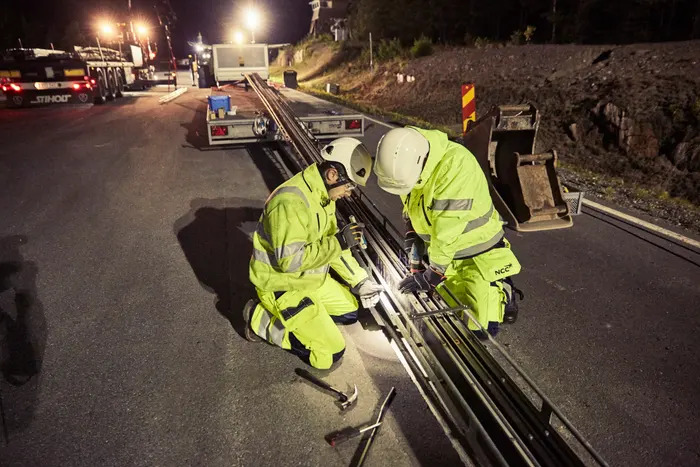
Regarding the charging method for the E20 electrified road, the specific approach has yet to be determined. However, there are three potential options: the catenary system, the conductive (ground-based) system, and the inductive system. The catenary system utilizes overhead wires to supply electricity to specialized buses or trams, making it exclusively suitable for heavy-duty vehicles. On the other hand, conductive charging can accommodate both heavy-duty vehicles and private cars, as long as there is a conduction system, such as a rail, in place. In this system, vehicles are charged through direct contact with a rail using a charging stick.
While the Electric Road System (ERS) primarily focuses on trucks, a recent study suggests that private cars can also reap significant benefits. Through simulations analyzing the movement patterns of 412 privately-owned vehicles on sections of Swedish national and European roads, the study found that combining home charging with dynamic charging has the potential to reduce battery size by up to 70 percent.
To conclude, Sweden's groundbreaking endeavor to construct the world's first permanent electrified road showcases its commitment to advancing sustainable transportation. By incorporating innovative charging solutions, this pioneering project not only enables EVs to charge while driving but also offers promising opportunities for reducing battery sizes in private cars.