Symbiotic relationships : The art of living together
-
 Loading...
 - Velila Tumi
- 07 Oct 2022
- 85 Views
- 0 Like
- 0 Comment
‘Symbiosis’ comes from the Greek words “with” and “living”. Symbiotic relationships are the close associations between two different species, and in nature, there are more symbiotic relationships than we could ever imagine.
The many different forms of symbiosis can easily be seen in the backyard of your garden, such as the relationship between aphids and ants. While the ants protect the aphids from enemies like the ladybird, the aphids produce honeydew for the ants to consume in return.
Although there are some exceptions, symbiosis is generally mutually beneficial.
Mutualism
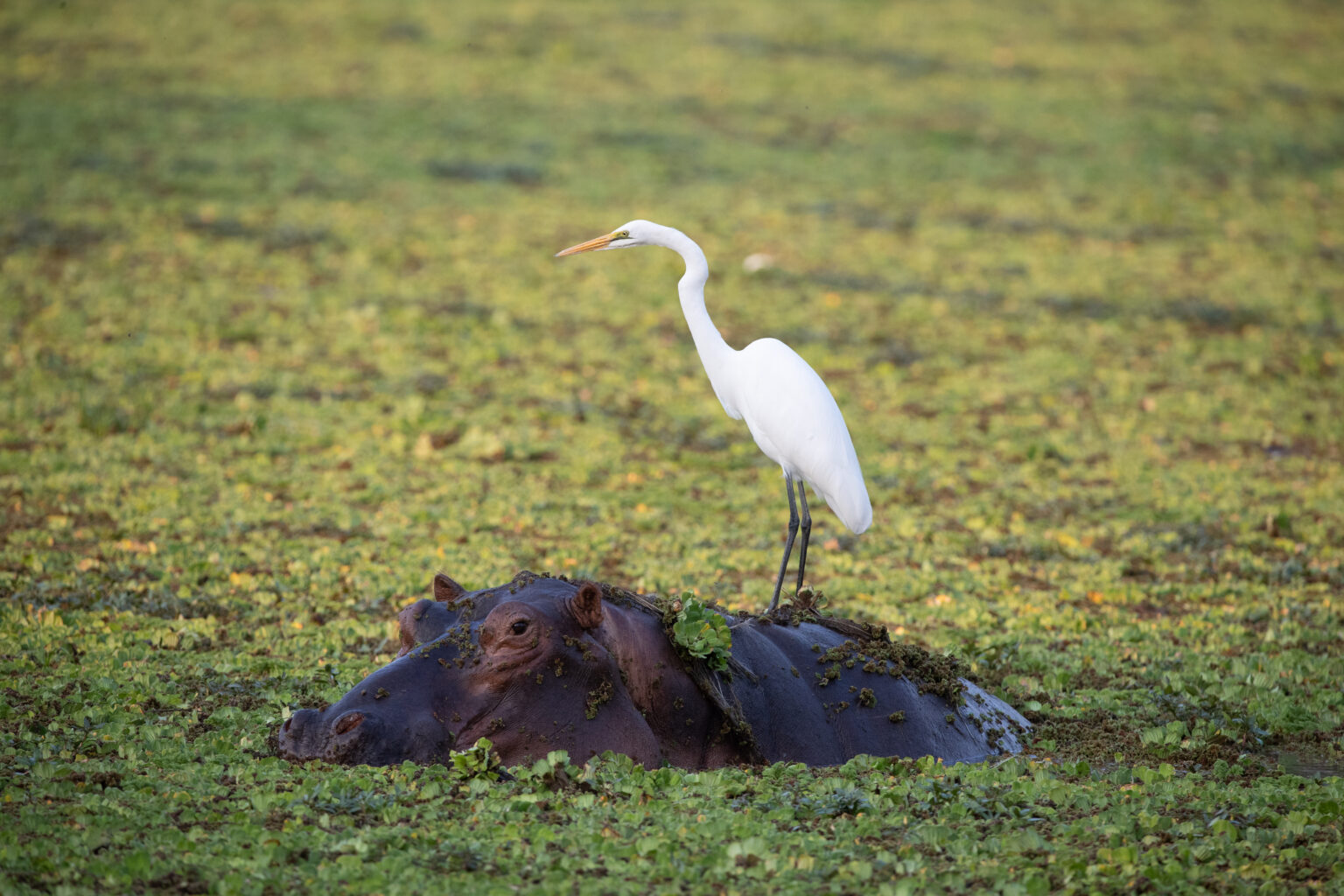
Those who have been to Africa will most likely remember that some antelope and other grazers are accompanied by oxpeckers, both red-billed and yellow-billed. This form of symbiotic relationship is known as ‘mutualism’ as both species benefit from one another. In this case, the oxpecker will feed on the ectoparasites (flees, ticks and blood-sucking flies,) while the mammal will get a free skin-and parasite control treatment. For some animals, the ox pecker can be trouble when consuming too much blood from an open wound, causing it to open up. Animals with poor eyesight, such as the rhino, rely on certain tell-tale signs from these birds to warn them about potential nearby predators – suddenly flying away or alarm calls signal danger. This joint operation is one of the most successful symbiotic relationships in nature. Read More...