'Synthetic embryo' breakthrough but growing human organs far off
-
 Loading...
 - Donghai Huang
- 21 Sep 2022
- 61 Views
- 0 Like
- 0 Comment
Stem cell scientists say they have created “synthetic embryos” without using sperm, eggs or fertilization for the first time, but the prospect of using such a technique to grow human organs for transplantation remains distant.
The breakthrough was hailed as a major step forward, though some experts said the result could not fully be considered to be embryos and warned of future ethical considerations.
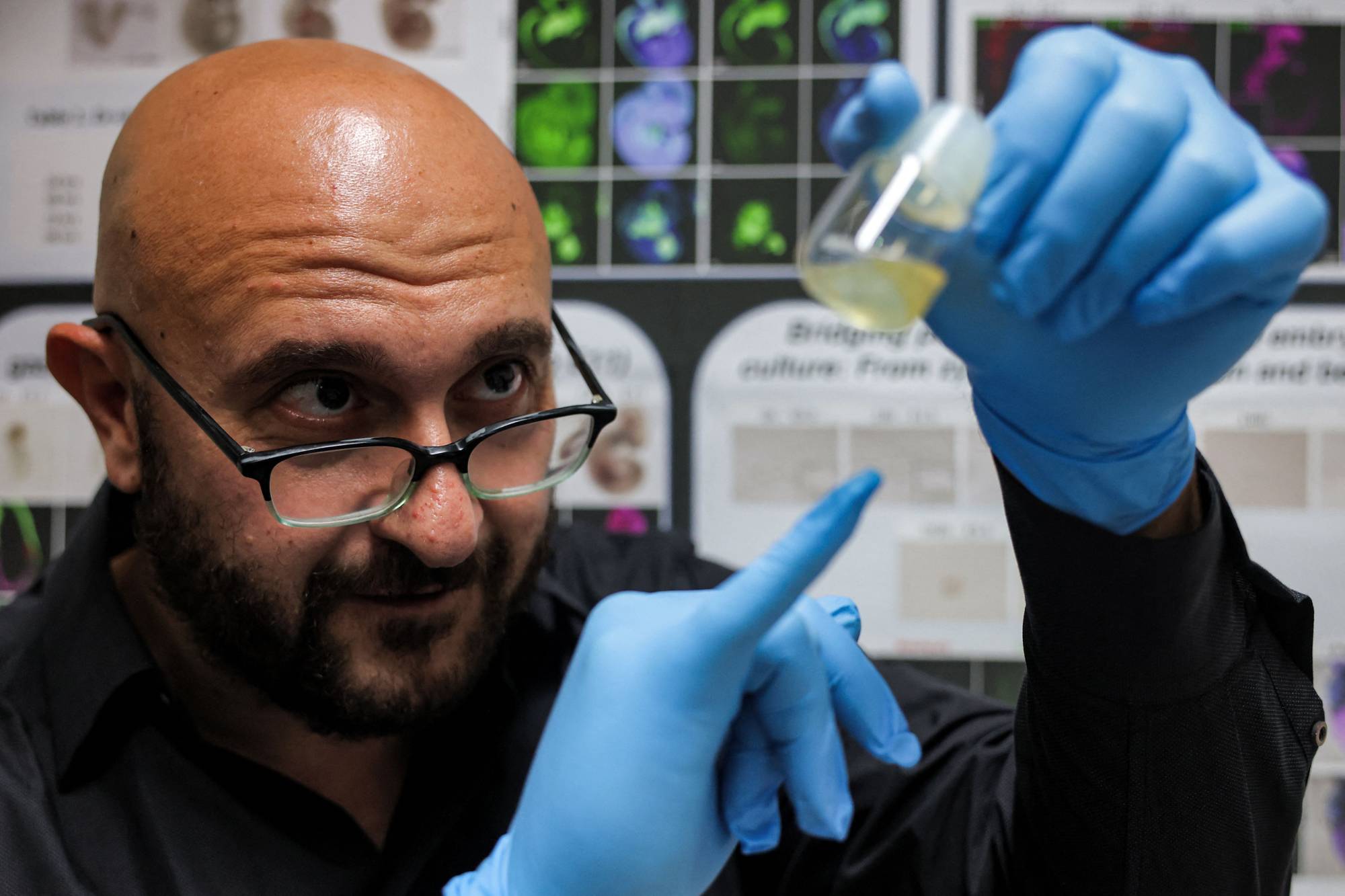
In research published in the journal Cell this week, scientists at the Weizmann Institute of Science in Israel said found a way to have mouse stem cells self-assemble into embryolike structures in the lab.
They started by collecting cells from the skin of mice, then made them return to the state of stem cells.
The stem cells were then placed in a special incubator designed by the researchers, which continuously moved to mimic a mother’s womb.
The vast majority of the cells failed to form anything.
But 50 — 0.5% of the 10,000 total — collected themselves into spheres, then embryolike structures, the researchers said.
After eight days — around a third of the 20-day mouse gestation period — there were early signs of a brain and a beating heart, they added.
They were described as 95% similar to normal mouse embryos.
‘Time will tell’
If human organs could one day be grown in a lab, the technique could provide life-saving transplants for thousands of people every year.
“The big problem for transplantation is that you need to find a matching donor and the DNA is never identical to the patient,” said stem cell scientist Jacob Hanna, who led the research.
But using the new technique, one day scientists could take cells from a patient’s liver, for example, use them to make stem cells, grow a synthetic embryo then “transplant them back into the patient,” Hanna said.
“The cell will be made from the patient, so it will be the exact DNA — no need to find donors and there can be no rejection,” he added. Read More...