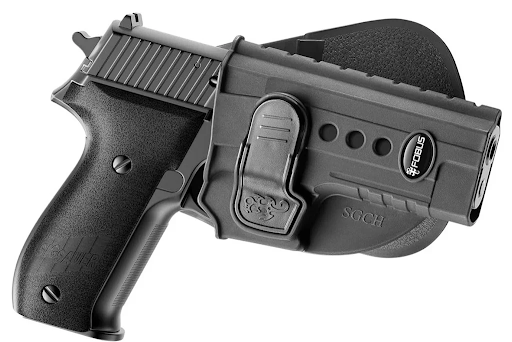
Tactical Holster Setup: Tips for Quick and Secure Draws
-
 Loading...
 - Fobus Holster
- 22 Jan 2025
- 57 Views
- 0 Like
- 0 Comment
Whether you’re in law enforcement, military, or just a civilian interested in concealed carry, having the right tactical holster can make all the difference. In this guide, we’ll cover important tips for setting up your tactical holster for quick and secure draws.
When it comes to tactical gear, the holster is an essential piece of equipment that plays a critical role in ensuring both safety and efficiency. Whether you’re in law enforcement, military, or just a civilian interested in concealed carry, having the right tactical holster can make all the difference. In this guide, we’ll cover important tips for setting up your tactical holster for quick and secure draws.
1. Choose the Right Type of Tactical Holster
There are various types of tactical holsters available, each designed for specific purposes. Some holsters are designed for concealment, while others are more suitable for open carry or tactical operations. The most common types include retention holsters, shoulder holsters, and drop-leg holsters. Retention holsters, in particular, are designed to keep your weapon secure while allowing for a fast draw when needed. Consider your use case carefully before selecting a holster that best fits your needs.
2. Understand Retention Mechanisms
Retention holsters are equipped with mechanisms that hold your firearm securely in place while ensuring quick access when needed. These mechanisms may include thumb breaks, straps, or friction-based systems. It’s important to choose a retention holster with a retention level that matches your needs. For example, law enforcement officers may prefer a high-retention holster to ensure that the weapon remains secure during movement, while concealed carry users may opt for a lower-retention holster for easier access.
3. Practice Your Draw
Even the best holster can be ineffective if you don't practice drawing from it quickly and efficiently. Start by ensuring that your holster is positioned in a way that is comfortable and allows for a smooth draw. Once you're comfortable, practice your draw from different positions, ensuring that your grip and movements are fluid. Practicing with your holster on a regular basis can help build muscle memory, allowing you to draw your weapon quickly and safely in an emergency.
4. Adjust Your Holster for Optimal Comfort
While speed and security are the two main concerns when setting up your tactical holster, comfort should also be a consideration. Your holster should be worn in a position that is comfortable for long periods of time without causing discomfort or chafing. Whether you're carrying on your hip, inside your waistband, or on a thigh rig, the setup should allow for easy access while ensuring that the weapon doesn’t get in the way during movement.
5. Test the Fit of Your Weapon
It’s essential that your weapon fits securely into your holster. A poor fit could result in the weapon shifting during movement, making the draw more difficult or even leading to an accidental discharge. To check the fit, ensure that the weapon is snug but not too tight. You should be able to draw it smoothly without it catching on any part of the holster. Testing your fit with different types of retention holsters can help you identify the most comfortable and secure option for your needs.
6. Use Holster Accessories for Improved Performance
For tactical holsters, accessories such as magazine pouches, belt attachments, and thigh straps can provide added convenience and improve your overall setup. These accessories can ensure that your equipment remains secure during movement, which is particularly important in high-pressure situations. When selecting holster accessories, make sure they complement the type of holster you’re using and that they allow for easy access to your weapon.
Conclusion
Setting up your tactical holster for quick and secure draws requires careful consideration of various factors, including holster type, retention mechanisms, and positioning. By choosing the right retention holster, practicing your draw, and making sure your holster fits comfortably, you can ensure that you’re prepared for any situation. Regular maintenance and proper use of holster accessories further enhance performance, making your holster setup an essential part of your overall tactical gear.


