Thai government turns its sights on illegal coral trade
-
 Loading...
 - Buppha Suksai
- 19 Apr 2023
- 61 Views
- 0 Like
- 0 Comment
A few dawns into 2022, authorities raided a shophouse in the heart of Thailand’s capital city. Officers from the Natural Resources and Environmental Crime Division of the Royal Thai Police and the Department of Marine and Coastal Resources discovered the shop was breeding coral and selling it on Facebook for as little as $4 to $20 apiece and selling giant clams for a little more than $10.
A few months later, police raided another coral shop breeding and selling more than 300 kinds of coral and other marine species.
They seized all the corals in both cases. The shop owners were sent to court to await a verdict that could land them each up to 10 years in jail plus a hefty fine up to $30,500.
For years, Thailand has focused on curtailing its illegal trade in terrestrial wildlife. Recently, the country has begun trying to do the same for marine coral species, primarily those caught up in the ornamental aquarium trade.
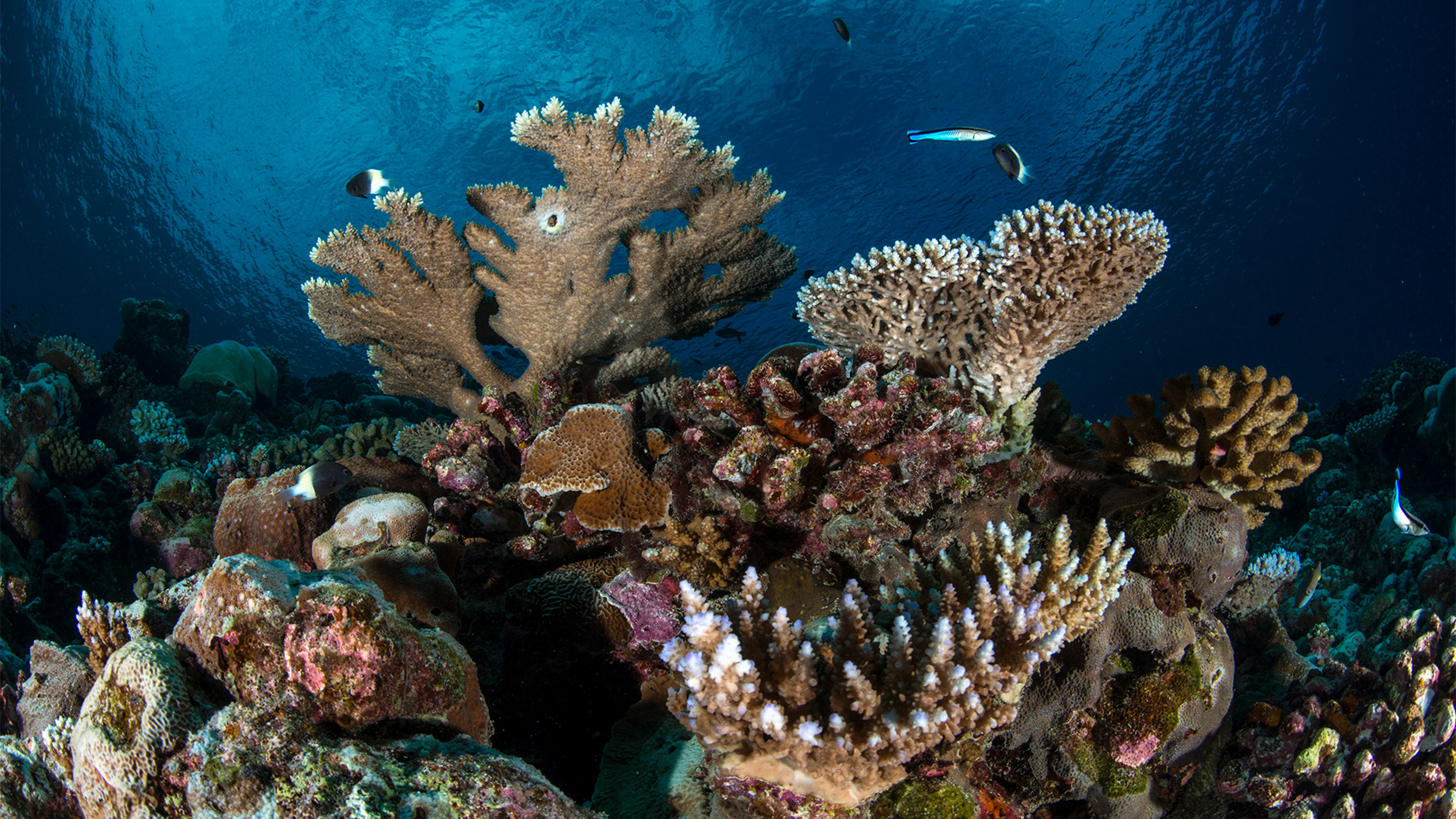
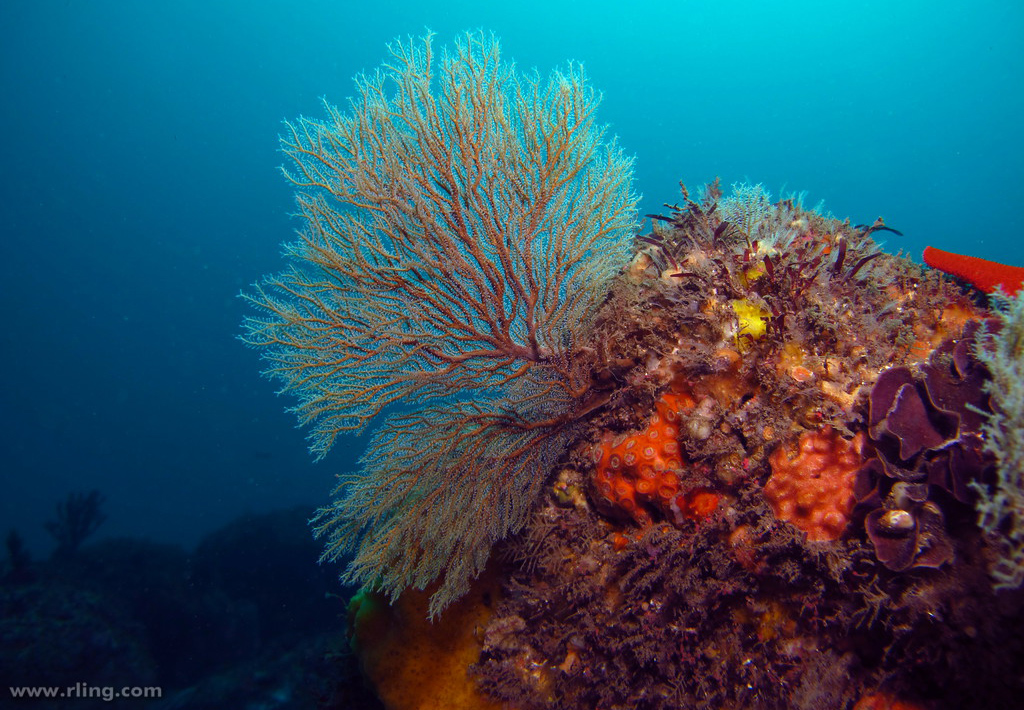
Breeding and selling live coral have long been illegal in Thailand. The country added coral to its list of protected animals in 1992. The list currently includes all coral species in the orders Gorgonacea, Antipatharia, Stylasterina, Scleractinia, Milleporina, Helioporacea and Alcyonacea, specimens of which the officers scooped up during the raids last year.
New laws, higher penalties for breaking them, beefed-up enforcement and a national mandate to curtail illegal coral trade are all part of Thailand’s efforts to end the trade in its corals.
National project
There’s been no research into how the coral trade affects the 239 square kilometers (92 square miles) of wild coral that live in Thai waters.
In September 2022, the Department of Fisheries issued a public notice warning that any trade in coral, sea anemones and giant clams could result in imprisonment or fines and expressing concern about the trade’s effects: “Thailand’s marine ecosystems have deteriorated, resulting in the loss of nutrient cycle systems and a rippling impact on the ocean environment, especially on coral reefs, the breeding and nursery grounds and refuges for marine animals, which are often harvested and sold in ornamental fish markets.” Read More…


