Home Upload Photo Upload Videos Write a Blog Analytics Messaging Streaming Create Adverts Creators Program
Bebuzee Afghanistan Bebuzee Albania Bebuzee Algeria Bebuzee Andorra Bebuzee Angola Bebuzee Antigua and Barbuda Bebuzee Argentina Bebuzee Armenia Bebuzee Australia Bebuzee Austria Bebuzee Azerbaijan Bebuzee Bahamas Bebuzee Bahrain Bebuzee Bangladesh Bebuzee Barbados Bebuzee Belarus Bebuzee Belgium Bebuzee Belize Bebuzee Benin Bebuzee Bhutan Bebuzee Bolivia Bebuzee Bosnia and Herzegovina Bebuzee Botswana Bebuzee Brazil Bebuzee Brunei Bebuzee Bulgaria Bebuzee Burkina Faso Bebuzee Burundi Bebuzee Cabo Verde Bebuzee Cambodia Bebuzee Cameroon Bebuzee Canada Bebuzee Central African Republic Bebuzee Chad Bebuzee Chile Bebuzee China Bebuzee Colombia Bebuzee Comoros Bebuzee Costa Rica Bebuzee Côte d'Ivoire Bebuzee Croatia Bebuzee Cuba Bebuzee Cyprus Bebuzee Czech Republic Bebuzee Democratic Republic of the Congo Bebuzee Denmark Bebuzee Djibouti Bebuzee Dominica Bebuzee Dominican Republic Bebuzee Ecuador Bebuzee Egypt Bebuzee El Salvador Bebuzee Equatorial Guinea Bebuzee Eritrea Bebuzee Estonia Bebuzee Eswatini Bebuzee Ethiopia Bebuzee Fiji Bebuzee Finland Bebuzee France Bebuzee Gabon Bebuzee Gambia Bebuzee Georgia Bebuzee Germany Bebuzee Ghana Bebuzee Greece Bebuzee Grenada Bebuzee Guatemala Bebuzee Guinea Bebuzee Guinea-Bissau Bebuzee Guyana Bebuzee Haiti Bebuzee Honduras Bebuzee Hong Kong Bebuzee Hungary Bebuzee Iceland Bebuzee India Bebuzee Indonesia Bebuzee Iran Bebuzee Iraq Bebuzee Ireland Bebuzee Israel Bebuzee Italy Bebuzee Jamaica Bebuzee Japan Bebuzee Jordan Bebuzee Kazakhstan Bebuzee Kenya Bebuzee Kiribati Bebuzee Kuwait Bebuzee Kyrgyzstan Bebuzee Laos Bebuzee Latvia Bebuzee Lebanon Bebuzee Lesotho Bebuzee Liberia Bebuzee Libya Bebuzee Liechtenstein Bebuzee Lithuania Bebuzee Luxembourg Bebuzee Madagascar Bebuzee Malawi Bebuzee Malaysia Bebuzee Maldives Bebuzee Mali Bebuzee Malta Bebuzee Marshall Islands Bebuzee Mauritania Bebuzee Mauritius Bebuzee Mexico Bebuzee Micronesia Bebuzee Moldova Bebuzee Monaco Bebuzee Mongolia Bebuzee Montenegro Bebuzee Morocco Bebuzee Mozambique Bebuzee Myanmar Bebuzee Namibia Bebuzee Nauru Bebuzee Nepal Bebuzee Netherlands Bebuzee New Zealand Bebuzee Nicaragua Bebuzee Niger Bebuzee Nigeria Bebuzee North Korea Bebuzee North Macedonia Bebuzee Norway Bebuzee Oman Bebuzee Pakistan Bebuzee Palau Bebuzee Panama Bebuzee Papua New Guinea Bebuzee Paraguay Bebuzee Peru Bebuzee Philippines Bebuzee Poland Bebuzee Portugal Bebuzee Qatar Bebuzee Republic of the Congo Bebuzee Romania Bebuzee Russia Bebuzee Rwanda Bebuzee Saint Kitts and Nevis Bebuzee Saint Lucia Bebuzee Saint Vincent and the Grenadines Bebuzee Samoa Bebuzee San Marino Bebuzee São Tomé and Príncipe Bebuzee Saudi Arabia Bebuzee Senegal Bebuzee Serbia Bebuzee Seychelles Bebuzee Sierra Leone Bebuzee Singapore Bebuzee Slovakia Bebuzee Slovenia Bebuzee Solomon Islands Bebuzee Somalia Bebuzee South Africa Bebuzee South Korea Bebuzee South Sudan Bebuzee Spain Bebuzee Sri Lanka Bebuzee Sudan Bebuzee Suriname Bebuzee Sweden Bebuzee Switzerland Bebuzee Syria Bebuzee Taiwan Bebuzee Tajikistan Bebuzee Tanzania Bebuzee Thailand Bebuzee Timor-Leste Bebuzee Togo Bebuzee Tonga Bebuzee Trinidad and Tobago Bebuzee Tunisia Bebuzee Turkey Bebuzee Turkmenistan Bebuzee Tuvalu Bebuzee Uganda Bebuzee Ukraine Bebuzee United Arab Emirates Bebuzee United Kingdom Bebuzee Uruguay Bebuzee Uzbekistan Bebuzee Vanuatu Bebuzee Venezuela Bebuzee Vietnam Bebuzee World Wide Bebuzee Yemen Bebuzee Zambia Bebuzee Zimbabwe
Blog Image

The 2:3 Interior Design Rule: A Guide to Creating Harmonious Spaces

When it comes to interior design, there are many rules and guidelines that can help create a harmonious and aesthetically pleasing space. One of the most popular and effective rules is the 2:3 interior design rule. In this article, we'll explore what the 2:3 rule is, how to apply it, and why it's a game-changer for interior designers and homeowners alike.

What is the 2:3 Interior Design Rule?

The 2:3 interior design rule is a simple yet powerful principle that suggests dividing a room into two-thirds and one-third proportions. This means that two-thirds of the room should be dedicated to a dominant element, such as a sofa or a bed, while the remaining one-third is reserved for a secondary element, like a side table or a chair.

How to Apply the 2:3 Rule

Applying the 2:3 rule is straightforward. Here are some steps to follow:

Identify the dominant element: Determine the main feature of the room, such as a fireplace, a stunning view, or a statement piece of furniture.

Measure the room: Measure the length and width of the room to determine the two-thirds and one-third proportions.

Place the dominant element: Position the dominant element in the two-thirds section of the room, leaving the remaining one-third for the secondary element.

Balance the space: Balance the room by distributing visual weight, texture, and color to create a harmonious atmosphere.

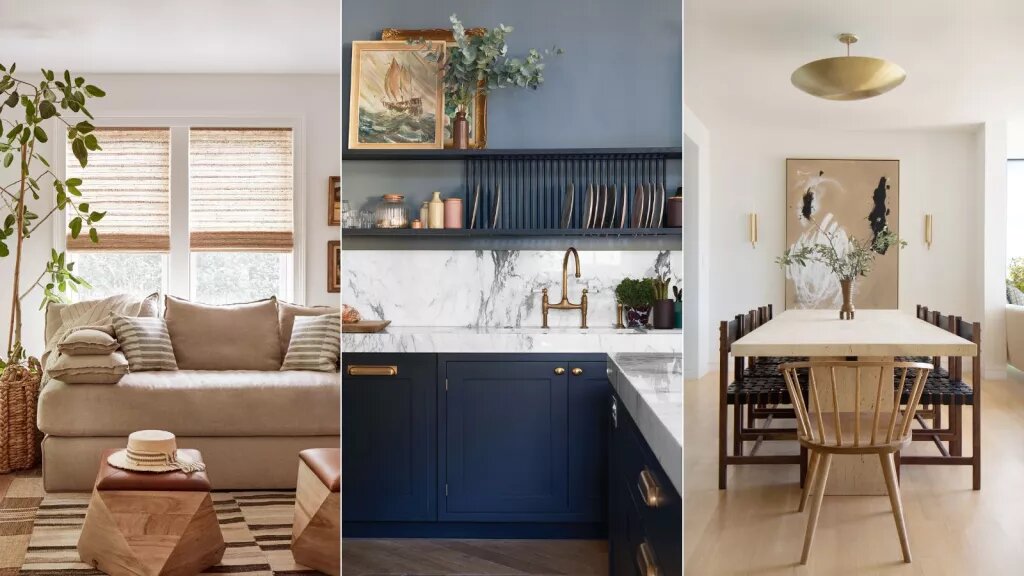
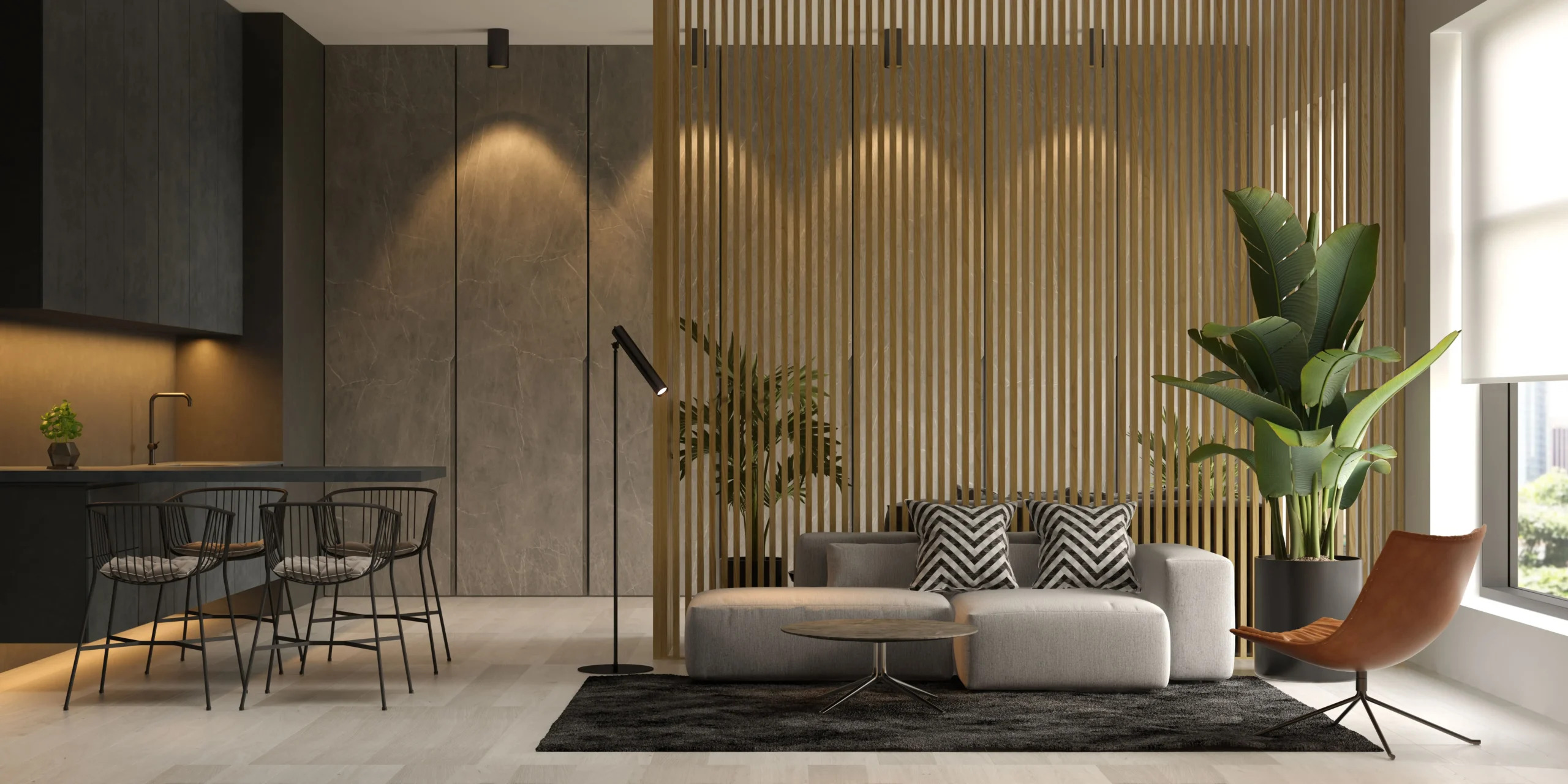
An Essential Guide to Arrange Beautiful and Stylish Living Room

Why the 2:3 Rule Works

The 2:3 rule works because it creates a sense of balance and harmony in a room. By dividing the space into two-thirds and one-third proportions, you create a visual equilibrium that is pleasing to the eye. This balance also helps to:

Create a focal point: The dominant element becomes the focal point of the room, drawing the eye and creating visual interest.

Add depth and dimension: The secondary element adds depth and dimension to the room, creating a sense of layers and visual interest.

Reduce clutter: By limiting the number of elements in the room, the 2:3 rule helps to reduce clutter and create a sense of calm.

52 Decorating Tips Straight from Interior Designers

Examples of the 2:3 Rule in Action

Here are some examples of the 2:3 rule in action:

Living Room: A sofa takes up two-thirds of the room, while a side table and chair occupy the remaining one-third.

Bedroom: A bed dominates two-thirds of the room, while a dresser and nightstand occupy the remaining one-third.

Dining Room: A dining table takes up two-thirds of the room, while a sideboard and chairs occupy the remaining one-third.

Conclusion

The 2:3 interior design rule is a simple yet powerful principle that can help create harmonious and aesthetically pleasing spaces. By dividing a room into two-thirds and one-third proportions, you can create a sense of balance and visual equilibrium that is pleasing to the eye. Whether you're a seasoned interior designer or a homeowner looking to refresh your space, the 2:3 rule is a valuable tool to have in your design toolkit. So, give it a try and see the difference it can make in your next design project!

 

Previous Post

5 Living Room Storage Ideas That'll Declutter Your Space

Next Post

5 Kitchen Design Concepts to Transform Your Space

Comments