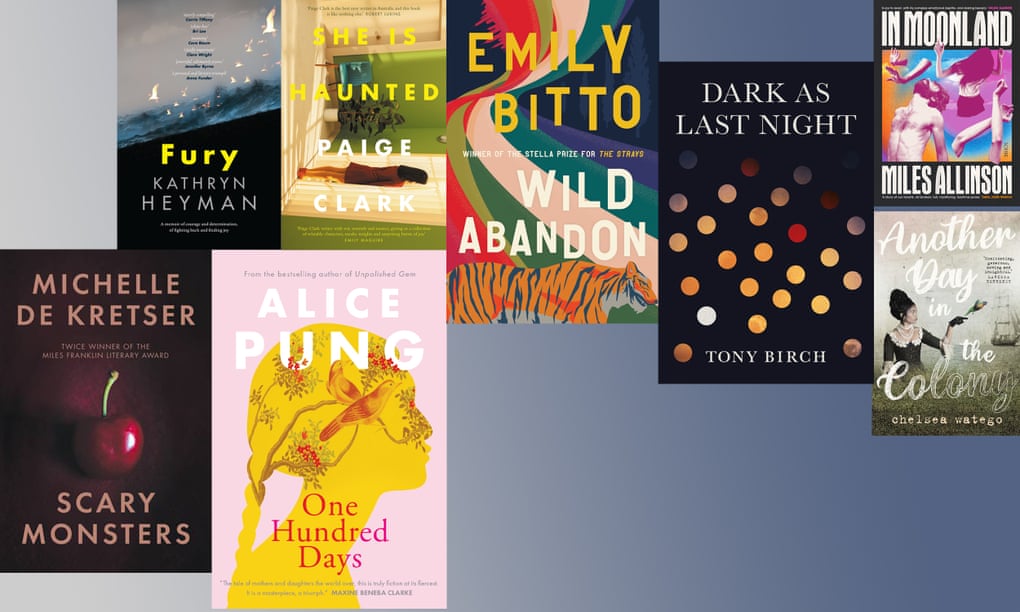
The 25 best Australian books of 2021: Helen Garner, Alice Pung, Tony Birch and more
-
 Loading...
 - Brenda Butler
- 14 Dec 2021
- 449 Views
- 0 Like
- 0 Comment
Lucy Clark, Susan Wyndham, Michael Williams, Steph Harmon, Fiona Wright, Paul Daley, Brigid Delaney, Beejay Silcox, Bec Kavanagh, Declan Fry, Giselle Au-Nhien Nguyen, Jack Callil, Zoya Patel, Bridie Jabour and Joseph Cummins
Scary Monsters by Michelle de Kretser
Allen and Unwin
I keep thinking about the formal gambit on which Scary Monsters is built: it is a book with two faces. Quite literally: it has two covers, two sets of end pages, and it forces the reader at the outset to choose where they begin. It’s a device more complex and consequential than it first seems, because there’s only one opportunity to read one section of the novel unencumbered by the other, to read innocently. And because the sections could each, in theory, stand alone, and because the ties between them are allusive and never overt, the connections and conclusions a reader might draw are up for grabs.
It’s an inventive and playful book, funny and heartbreaking, and beautifully accomplished. – Fiona Wright
The Mother Wound by Amani Haydar
Pan MacMillan
There are memoirs that tell extraordinary personal stories and hold the reader’s attention because, well, the stories are extraordinary. Then there are memoirs that take it to another level, threading greater meaning through the narrative thanks to the supreme skill, grace and intellect of the writer.
In Amani Haydar’s hands, the terrible story of the murder of her mother by her father becomes so much more than that: she transforms it into a thoughtful meditation on memory, culture, patriarchy, intergenerational trauma and, ultimately, hope and renewal. This book is stunning. – Lucy Clark
How to End a Story by Helen Garner
Text publishing
In her third volume of edited journals, How to End a Story: Diaries 1995-1998, Helen Garner covers the implosion of her third marriage. Almost unbearably intimate, her forensic reports on the tensions between two writers and her slowly breaking heart have operatic intensity. After the controversy of The First Stone, with no room of her own, she struggles to write and examines herself in therapy. Yet amid misery, she finds joy and silliness, and sees Sydney with an ever-curious Melburnian eye.
The diaries throw light (and shade) on the career of a great Australian writer who can shape an archetypal drama from life’s daily mess and knows exactly how to end a story. – Susan Wyndham
She is Haunted by Paige Clark
Allen and Unwin
Debut books of short stories can follow something of a pattern: some pyrotechnics to show range, potentially autobiographical elements, a singular perspective or worldview that separates the author from the pack. But while all of this is true of She is Haunted, this book is a true original, with skilled, delicate power and an unforgettable mix of raw humour, fantastical digressions and melancholy insight.
Reviews of debut fiction often lean on phrases like “prodigiously talented” and “bursts on to the scene”. Again, these are true of Paige Clark but don’t do her justice. This is one of the most enjoyable, memorable Australian books of this year. – Michael Williams
Dear Son: letters and reflections from First Nations fathers and sons, edited by Thomas Mayor
Hardie Grant
Torres Strait Islander author and activist Thomas Mayor introduces readers to his poignant collection of father-son letters by writing how colonial institutions have taught his people to “hate themselves”. Resounding postcolonial stereotypes – such as the caricature of the hopeless Indigenous parent perpetuated by an infamous Bill Leak cartoon five years ago – have further demonised and demoralised Aboriginal and Torres Strait Islander men.
Mayor’s book offers a positive counter-response in which First Nations men, writing mostly to their children (but sometimes to their fathers), lay bare the generational legacies of the “colonial stain” of self-criticism through reflections of what it means to nurture and love one another across the generations. These are heartfelt and deeply moving essays that all men can learn from. – Paul Daley