The Best 7 Social Media Management Tips For 2022
-
 Loading...
 - Amanda Miller
- 25 May 2022
- 287 Views
- 0 Like
- 0 Comment
Are you stressed or cannot sleep properly thinking about how to improve your social media in 2022?
You are not alone!
Thousands of marketers in fashion, food and alcohol, sports, food and other growing industries are looking for new ways to optimise their social media management.
Our best virtual assistants have discovered marketers want easy practical tips and tricks on how to maximise the use of social media for their companies and brands.
And, whether your customer service has not been that great or your brand is yet to meet your marketing objectives, optimising your brand communications on social media is an effective way to increase brand preference and trust which ultimately will boost leads, sales and brand equity.
1. USE ONE SINGLE LOGIN
Before you start creating social media assets and accounts, ensure you set up a non-personal email account that will manage all your social media assets. This way if your social media manager goes away, the email account is still usable. An example is [email protected]. Ensure the password is just used by only the employees in charge of your social media. Offer “view” access to other people who may need to access your reports but who do not need to make any changes or updates.
2. START PLANTING THE SEEDS FOR BUILDING CUSTOMER LOYALTY
If you have been assisting any of my digital marketing keynote sessions in Australia, you are already aware of the strategic approach for creating relationships with your “Advocates” and “Loyals”. Your CRM (Customer Relationship Management) platform should be able to give you a social media profile of your best customers. There are some well priced entry-level CRM’s such as Zoho, SugarCRM, Insightly, Base, Keap and also some more robust enterprise-level CRM’s such as SalesForce.
Ensure you start following your advocates and loyal on all channels (Facebook, Pinterest, Instagram, Twitter, etc) If you do not have the resources and time to follow them all, that’s fine. What you should then be doing is targeting just the ones with high popularity/influence scores and the ones already buying from you.
Example: Let’s say you have 2000 really loyal customers, then you identify the 10-20% who are highly influential and/or popular and then allocate time to comment and like some of their social media commentaries when relevant to topics related to your brand. You do this on an ongoing basis and ensure there are also opportunities for them to interact with your brand in the real world. The more they interact with your brand in the real world the more chances they will start promoting your brand on their social media channels which has been proven far more powerful than advertisers’ own promotion.
I normally suggest seeding should be an ongoing activity on social media channels and should include not just your advocate/loyal social posting but also their blogs. If you already have social media channels live, that’s fine, it is always a good time to start your seeding campaign.
Please include in your seeding program the top 10-20 industry leaders’ blogs and social posts – even if they have not bought from you yet – as they are people your top customers might be following too. Customers notice when brands also follow and comment on top industry leaders’ content. This shows your brand is interested to helping/innovating the industry.
3. DEVELOP A CONTENT CALENDAR
A top-level one year calendar always is useful as it will allow you to easily see the hot activities/events/topics that you need to be talking about. Ensure you also map your customer purchase journey into it. This means allocating the right content for the right time of the customer purchase journey as described below.

As you are targeting social channels, ensure the conversation is light, fun to engage and exciting. Social is not about pushing full hardcore rational benefits of your brand all the time. We say that 1 out of 4 posts needs to be directly related to your brand (promotions, features, etc) and the other three can be associated with social stories around your industry (events, innovations, customer stories, employers stories, etc). Have a look at our Content type mapping to get some ideas.
A well-managed content calendar will also help you highlight your promotional activity. Food or grocery companies selling in supermarkets or retail stores should use a content calendar that aligns with their promotional calendar as Australia is the most promotional food and grocery market in the world, according to Nielsen, with an average on 35% of products sold at a discount between 2009-2019 with an average discount of 27%.
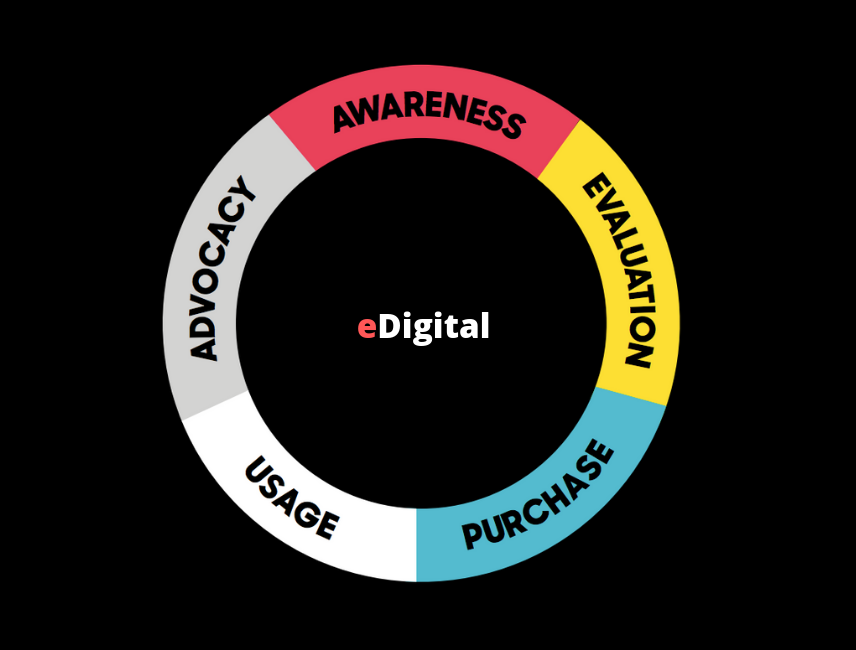
Our premium social media strategy plan template comes with a calendar of all major global and national events around the work. This will help you plan your content activity during the year.
4. BALANCE SOCIAL VOICE FREQUENCY
People and things are more interesting when you have to look for them – when they are not too available – you need to ensure you give time to your fans/followers to miss your offering. Remember, they buy from you but it is not the only thing they do, like or care about. Let some days per week your customers do not hear from you. If you need to fully push a message for a specific reason on a daily basis, you might need to consider getting opt-in from them or create a specific group/event page for that matter so just people interested in that specific topic accept that you will be giving them a frequent set of news, updates, etc. The rest continue to have a steady flow of social media posts.
Normally, organisations posting more than once a day feel the pressure from different departments and head divisions to post about different things. In this scenario, it is important you educate your executive teams about social media frequency and how that can affect your posts views and engagement. Facebook and other platforms can give you data about this. Read More…