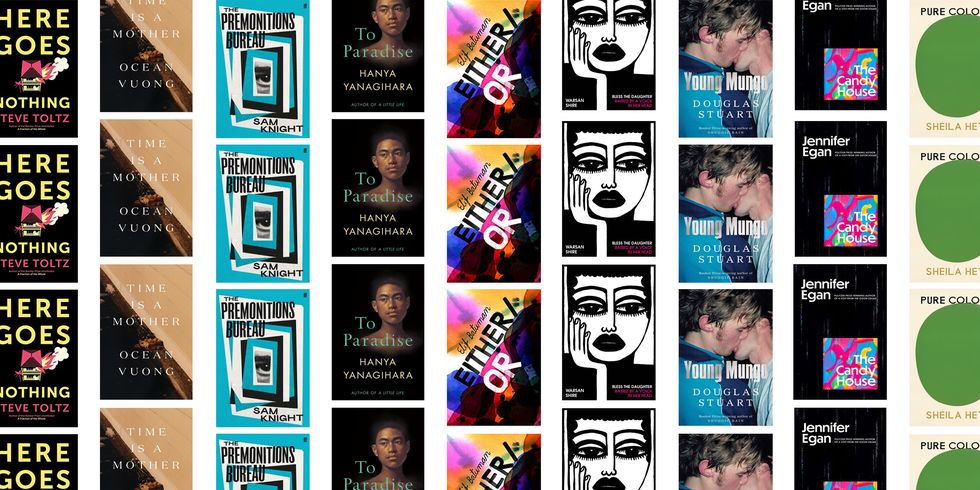
The Best Books of 2022 Will Provoke, Persuade and Perturb You
-
 Loading...
 - Anastasia Gabris
- 01 Apr 2022
- 347 Views
- 0 Like
- 0 Comment
The first few pages of the year are for making promises to yourself which you have no real intention of keeping, but reading more needn't be one of the half-hearted aspirations on your resolution list like, say, remembering to drink more than 10ml of water a day. If nothing else, 2022 is set to be a bumper year for books, with debuts from promising new literary talents and anticipated returns from established voices.
Whether you're looking for an escapist work of fiction, lyrical poetry rich with memories, or gripping memoir writing on grief, here's our pick of what to add to your bedside table this year.
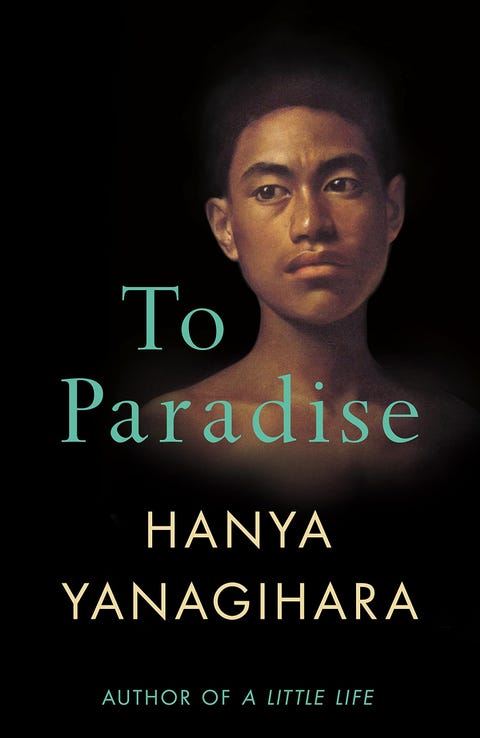
In the tail-end of summer 2015 it felt like you couldn't board a tube in London without seeing someone reading Hanya Yanagihara's bruising and beautiful novel, A Little Life. Yanagihara's next work feels alarmingly timely for the precarious world we find ourselves in now, tracking three different timelines – including a dystopian, pandemic future – to ask questions about fear, loneliness and what makes us human. Olivia Ovenden
2
3
Joan Is Okay: A Novel by Weike Wang
joan is ok
-
The uncomfortable humour and weird politics of family are front and centre in this new book from the author of acclaimed novel, Chemistry. The book's title character is an emergency-room doctor living in New York whose parents' return to China triggers a family crisis, in turn forcing her and her brother to asses their identity as Chinese-Americans, all of which is delivered with surprisingly caustic wit.
Accidental Gods by Anna Della Subin
best books of 2022
WATERSTONES
What does it mean for a man to become a god in the eyes of his people? Or, given the knotty relationship between deification and colonisation, those who are not yet his people? Anna Della Subin’s non-fiction work is a fascinating account of individuals – from Emperor of Ethiopia Haile Selassie to the Spanish conquistadors and the Indian philosopher Jiddu Krishnamurti – who have found themselves attributed, sometimes unwillingly, with the powers of an immortal. Such status may not always serve the man-god’s best interests (just ask Julius Caesar), but, as Della Rubin writes, “to speak of men unwittingly turned divine is to sing a history of how the modern world came to be.” Miranda Collinge