The best times to visit South Africa
-
 Loading...
 - Amber Arnauld
- 30 Jan 2023
- 66 Views
- 0 Like
- 0 Comment
South Africa has something for every kind of traveler.
From dynamic Cape Town and the cosmopolitan vibes of Johannesburg to wildlife-filled expanses of wilderness such as the Kalahari and the Drakensberg mountains, the best time to come will depend on where you want to go and what you want to do when you get there.
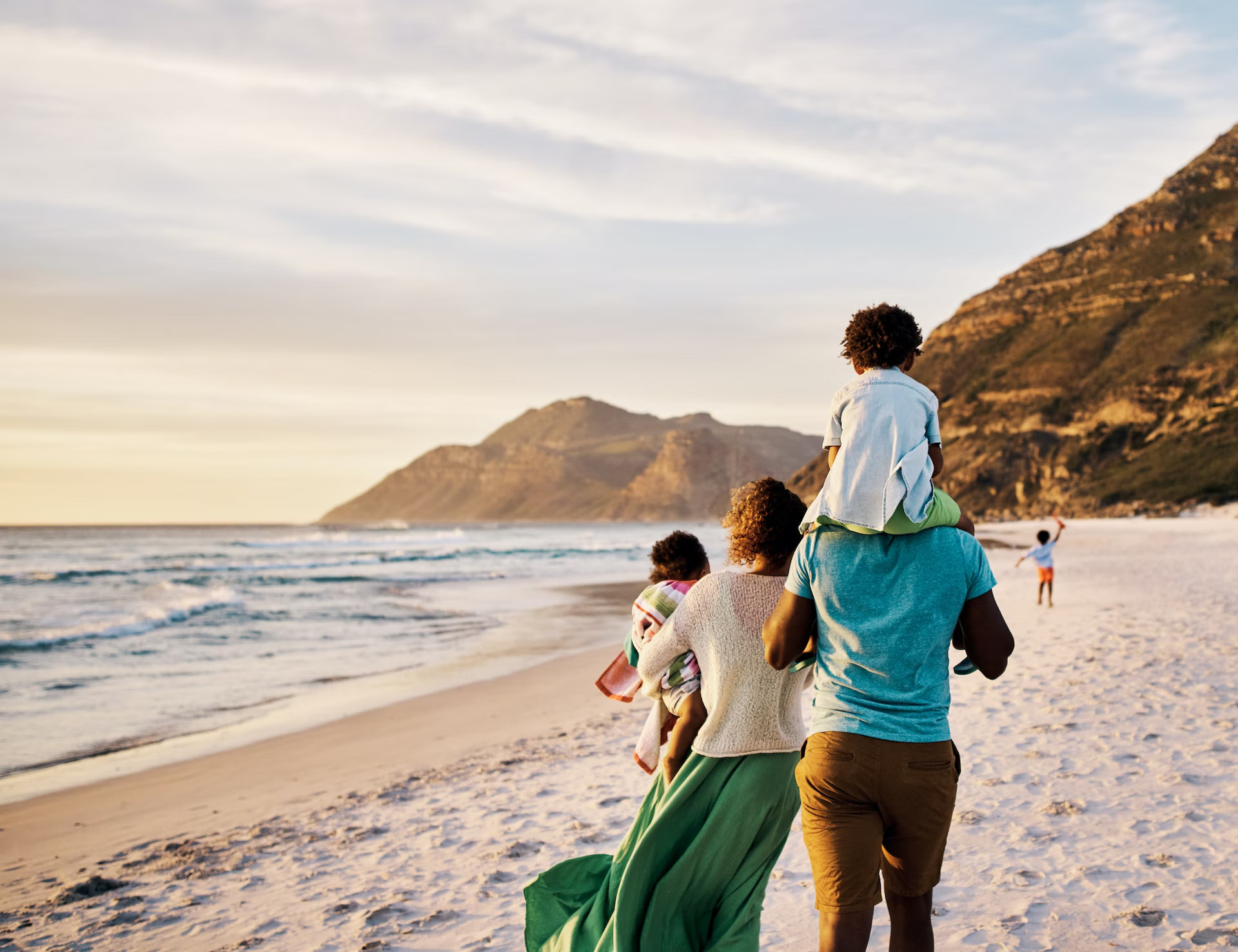
In general, the climate in South Africa is warmer in the north and cooler in the south. You'll also find different weather on the coasts compared to the elevated plateau that makes up most of the country, where it tends to be drier. Usually, the Indian Ocean coast feels more tropical, while the weather on the Atlantic coast is milder, though cold fogs and hot desert winds can still roll in.
Cape Town and the Western Cape are unique, weather-wise, having their rainy season in the winter (June to August). In the rest of the country, the rains arrive in the southern hemisphere summer (November through March), but the deluges rarely last for long (and there's the chance of a photogenic thunderstorm). For many visitors, the weather is less of a factor than South Africa's vibrant festivals and the annual migrations and breeding seasons for the country's diverse wildlife populations. Whatever draws you to South Africa, here's a guide to the best times to come.
The high season months (November to March) are full of festivals
November to March is summertime in South Africa, with daytime highs reaching 32°C (90°F), often with quite a lot of humidity. If you’re looking to visit during this peak season, you’ll need to plan ahead. Accommodations in coastal areas and national parks can book up months in advance, and popular vacation spots see accommodation prices rise by 50% or more.
That said, if you have the budget to travel in the high season, you can enjoy a host of festivals and events. AFROPUNK, a massive international multi-day music festival that draws artists from all over the world, kicks off in December. Held annually on January 2, the Cape Town Minstrel Carnival (known locally as Kaapse Klopse) is a high-spirited street parade dating from the mid-1800s with important links to overcoming apartheid and South Africa's long history of slavery.
Cape Town’s Pride Festival is held in late February or early March, followed by the Cape Town Cycle Tour, which brings in cycling enthusiasts from all over the globe. March also sees the Cape Town International Jazz Festival and Klein Karoo Nasionale Kunstefees, one of South Africa’s largest arts festivals, held at Oudtshoorn in the Western Cape.
April, May, September and October mean lower prices and great wildlife watching
South Africa's shoulder seasons see smaller crowds and several important festivals — including April’s Splashy Fen Music Festival in Durban. The big lure in the fall is wildlife-watching, as the tail end of the dry summer weather brings wildlife out into the open. The spring months of September and October bring the best chances of cetacean encounters. Wildflower season peaks in late August in the north and early September in the south, but blooms can appear from July depending on the rains and continue into October if it’s not too hot. Read More…