The Biggest Horse Racing Countries in Europe
-
 Loading...
 - Adela Chvatal
- 15 Jun 2022
- 267 Views
- 0 Like
- 0 Comment
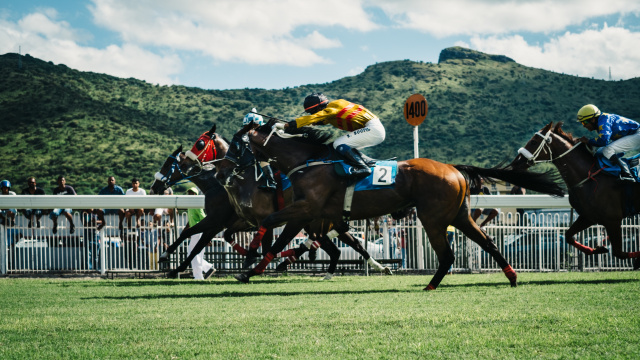
Horse racing is one of the oldest sports in the world. It can be traced back several hundred years, but it is likely that humans have been challenging each other to a race on horseback for as long as we’ve been riding our four-legged friends. Despite being centuries old, horse racing remains just as popular today as it has always been. This is why events like Royal Ascot can continue to command huge audiences both in person and on television. It’s also why betting on races at these events is so popular. In fact, demand for wagering on large meetings like this is so big for the bookies that many of them run special free bet offers targeted specifically at these events.
But this love of horse racing does not exist universally across the world. For a whole host of reasons, some countries have embraced the sport much more than others. In fact, here in Europe, there are some nations that can’t get enough of the ancient equestrian sport, and there are others where it’s hard to even find a racecourse.
Here in Bulgaria, the culture around horse racing is very different. Generally, events take place just a few times a year, with one of the biggest days for this being Todorvden. But even then, the event is as much about decorating the horses as it is about racing them, so it is quite different to what someone from France or Ireland might think.
In contrast, there are countries where horse racing is the biggest.
The United Kingdom
Everyone knows that football is the national sport of the United Kingdom, after all it was in England that the rules were codified and the first games were played. But the country has long and diverse sporting history and has actually gifted the world several popular disciplines including cricket, rugby, and golf.
While the UK didn’t invent horse racing, it did help it to grow into the sports that it is today. It did this through the creation of the General Stud Book in 1791. This publication recorded the lineage of all the Thoroughbred racehorses in the country, a concept that lives on today.
It is still produced today by the descendants of James Weatherby, the General Stud Book’s original creator. The publication is used to check whether a horse is eligible to take part in sanctioned Thoroughbred events, a model that has been copied in several other countries.
The UK is also home to several prestigious horse races, including the Grand National at Aintree Racecourse, the Cheltenham Festival, and Royal Ascot. The Grand National is by far the biggest and, according to its organiser, is watched by 600 million people around the world.
Brits love horse racing and often treat a trip to the races as a special occasion, dressing smartly and behaving differently to when they attend any other sporting event. While they’re there, they spend big on wagers, with a total of £5.16 billion (€6.08 billion) staked each year.
France
Being just over the water from the UK, France is another European country that loves horse racing.
In terms of wages placed, France lags behind their Anglo neighbours, with almost £3.7 billion (€4.36 billion) spent on backing horses each year. That makes the republic the second biggest horse race betting market on the entire continent of Europe.
Also like the United Kingdom, France has a busy calendar of horse race meetings throughout the year, including some smaller local events and several internationally-recognised events that attract a lot of attention.
The French horse racing season usually begins in March and typically runs until the end of November. The highlight of the calendar is the Prix de l’Arc de Triomphe, which has taken place each October since 1920. The flat event is open to all horses that are at least three years old and is considered by many to be the most prestigious race on the continent, a fact that’s backed up by the fact that it has the biggest prize purse in Europe and the second-biggest in the world.
Other major events include the Grand Prix de Paris which takes place on the nationally-significant Bastille Day holiday. It’s even older than the Prix de l’Arc de Triomphe, having been started back in 1863.
France also has its own stud book, known as the Stud Book Francaise. It was first published in 1838 and has links to the other side of the Channel as horses are classified as “chevaux de pur sang Anglais” meaning of “pure English blood”. Read More...