Home Upload Photo Upload Videos Write a Blog Analytics Messaging Streaming Create Adverts Creators Program
Bebuzee Afghanistan Bebuzee Albania Bebuzee Algeria Bebuzee Andorra Bebuzee Angola Bebuzee Antigua and Barbuda Bebuzee Argentina Bebuzee Armenia Bebuzee Australia Bebuzee Austria Bebuzee Azerbaijan Bebuzee Bahamas Bebuzee Bahrain Bebuzee Bangladesh Bebuzee Barbados Bebuzee Belarus Bebuzee Belgium Bebuzee Belize Bebuzee Benin Bebuzee Bhutan Bebuzee Bolivia Bebuzee Bosnia and Herzegovina Bebuzee Botswana Bebuzee Brazil Bebuzee Brunei Bebuzee Bulgaria Bebuzee Burkina Faso Bebuzee Burundi Bebuzee Cabo Verde Bebuzee Cambodia Bebuzee Cameroon Bebuzee Canada Bebuzee Central African Republic Bebuzee Chad Bebuzee Chile Bebuzee China Bebuzee Colombia Bebuzee Comoros Bebuzee Costa Rica Bebuzee Côte d'Ivoire Bebuzee Croatia Bebuzee Cuba Bebuzee Cyprus Bebuzee Czech Republic Bebuzee Democratic Republic of the Congo Bebuzee Denmark Bebuzee Djibouti Bebuzee Dominica Bebuzee Dominican Republic Bebuzee Ecuador Bebuzee Egypt Bebuzee El Salvador Bebuzee Equatorial Guinea Bebuzee Eritrea Bebuzee Estonia Bebuzee Eswatini Bebuzee Ethiopia Bebuzee Fiji Bebuzee Finland Bebuzee France Bebuzee Gabon Bebuzee Gambia Bebuzee Georgia Bebuzee Germany Bebuzee Ghana Bebuzee Greece Bebuzee Grenada Bebuzee Guatemala Bebuzee Guinea Bebuzee Guinea-Bissau Bebuzee Guyana Bebuzee Haiti Bebuzee Honduras Bebuzee Hong Kong Bebuzee Hungary Bebuzee Iceland Bebuzee India Bebuzee Indonesia Bebuzee Iran Bebuzee Iraq Bebuzee Ireland Bebuzee Israel Bebuzee Italy Bebuzee Jamaica Bebuzee Japan Bebuzee Jordan Bebuzee Kazakhstan Bebuzee Kenya Bebuzee Kiribati Bebuzee Kuwait Bebuzee Kyrgyzstan Bebuzee Laos Bebuzee Latvia Bebuzee Lebanon Bebuzee Lesotho Bebuzee Liberia Bebuzee Libya Bebuzee Liechtenstein Bebuzee Lithuania Bebuzee Luxembourg Bebuzee Madagascar Bebuzee Malawi Bebuzee Malaysia Bebuzee Maldives Bebuzee Mali Bebuzee Malta Bebuzee Marshall Islands Bebuzee Mauritania Bebuzee Mauritius Bebuzee Mexico Bebuzee Micronesia Bebuzee Moldova Bebuzee Monaco Bebuzee Mongolia Bebuzee Montenegro Bebuzee Morocco Bebuzee Mozambique Bebuzee Myanmar Bebuzee Namibia Bebuzee Nauru Bebuzee Nepal Bebuzee Netherlands Bebuzee New Zealand Bebuzee Nicaragua Bebuzee Niger Bebuzee Nigeria Bebuzee North Korea Bebuzee North Macedonia Bebuzee Norway Bebuzee Oman Bebuzee Pakistan Bebuzee Palau Bebuzee Panama Bebuzee Papua New Guinea Bebuzee Paraguay Bebuzee Peru Bebuzee Philippines Bebuzee Poland Bebuzee Portugal Bebuzee Qatar Bebuzee Republic of the Congo Bebuzee Romania Bebuzee Russia Bebuzee Rwanda Bebuzee Saint Kitts and Nevis Bebuzee Saint Lucia Bebuzee Saint Vincent and the Grenadines Bebuzee Samoa Bebuzee San Marino Bebuzee São Tomé and Príncipe Bebuzee Saudi Arabia Bebuzee Senegal Bebuzee Serbia Bebuzee Seychelles Bebuzee Sierra Leone Bebuzee Singapore Bebuzee Slovakia Bebuzee Slovenia Bebuzee Solomon Islands Bebuzee Somalia Bebuzee South Africa Bebuzee South Korea Bebuzee South Sudan Bebuzee Spain Bebuzee Sri Lanka Bebuzee Sudan Bebuzee Suriname Bebuzee Sweden Bebuzee Switzerland Bebuzee Syria Bebuzee Taiwan Bebuzee Tajikistan Bebuzee Tanzania Bebuzee Thailand Bebuzee Timor-Leste Bebuzee Togo Bebuzee Tonga Bebuzee Trinidad and Tobago Bebuzee Tunisia Bebuzee Turkey Bebuzee Turkmenistan Bebuzee Tuvalu Bebuzee Uganda Bebuzee Ukraine Bebuzee United Arab Emirates Bebuzee United Kingdom Bebuzee Uruguay Bebuzee Uzbekistan Bebuzee Vanuatu Bebuzee Venezuela Bebuzee Vietnam Bebuzee World Wide Bebuzee Yemen Bebuzee Zambia Bebuzee Zimbabwe
Blog Image

The brain and blood vessels communicate through the immune system

A study in mice reveals a circuit that connects the nervous, immune and circulatory systems, which could lead to therapies for atherosclerosis.

By studying the formation of plaques in the arteries, a European research group that includes Italian scientists has revealed an unexpected connection between the circulatory, nervous and immune systems. In addition to suggesting that atherosclerosis may be partly controlled by the brain, Study 1 reveals a biological mechanism that may play a role in many other diseases.

Atherosclerosis is the process by which fatty substances that circulate in the arteries can accumulate and form plaques. Over time, these plaques restrict blood flow and oxygen supply to vital organs, increasing the risk of heart attack and stroke. There are currently no therapies capable of reversing the process.

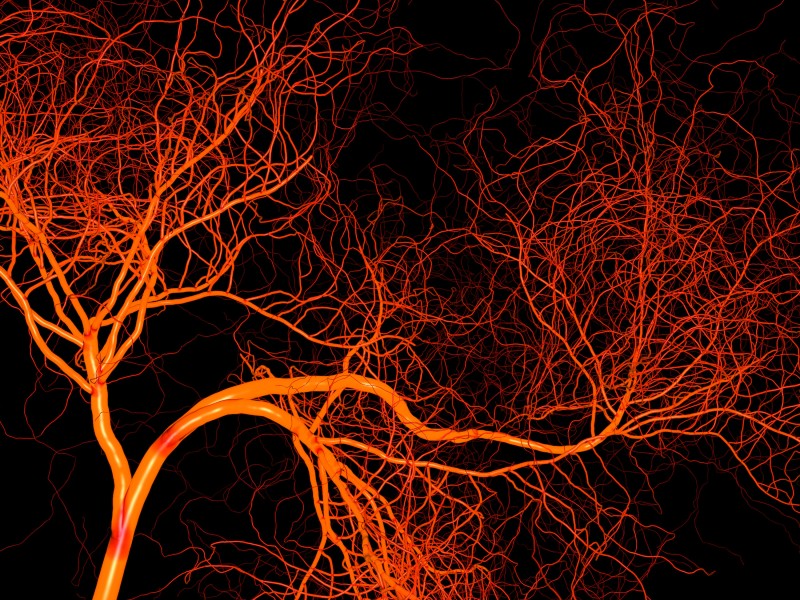
Arteries have two sides: the intima - the inner wall where the plaques are initially formed - and the adventitia - the outer wall, where the nerves flow. While most of the research so far has focused on the intima, the authors of the new study have looked at the role of adventitia.

A team led by Andreas Habenicht of the Ludwig-Maximilians University of Munich had previously found that, as the disease progresses, immune cells infiltrate the arterial wall, forming aggregates that expand into the arterial tree. These cells give rise to arterial tertiary lymphoid organs (ATLO), which resemble normal lymph nodes, although their cells are likely derived from the spleen, and are involved in many diseases.

"By looking at the adventitia layer [in the vicinity of the ATLOs] we immediately found the endings of the peripheral nervous system," explains Habenicht. The logical consequence was to follow these peripheral nerves to the central nervous system. So the team injected a neurotropic virus directly into the adventitia of the mice. Within two days, the virus migrated and scientists were able to track it using an imaging technique called immunofluorescence. Eventually, they showed that there is an artery-brain circuit (ABC) made up of afferent neurons carrying sensory information from the adventitia to the brain and efferent neurons carrying instructions in the opposite direction.

To analyze the role of the circuit in the development of the plates, the German team joined forces with Daniela Carnevale and Giuseppe Lembo of Sapienza University of Rome and the Neuromed Institute of Pozzilli, who had previously demonstrated a connection between the vagus nerve - the longest in the body - and the immune functions in the spleen.

Using ultrasound to measure plaques in vivo, the Italian team was able to confirm that the density of nerve fibers near the plaques, as well as vagus nerve activity, increased in parallel with disease progression. They then disrupted the artery-brain circuit by chemical or surgical methods. "When we cut the innervation, the ATLOs disappeared, which was followed by an inhibition of the progression of the plate and its stabilization," explains Carnevale.

This multidirectional pathway involving arteries, immune cells and the nervous system represents a new paradigm that goes beyond vascular disease. "Since atherosclerosis is only one of many human diseases that have a local inflammatory component, the work suggests the possibility that other diseases may also have two-way functional communication with the nervous system," says David Dichek, professor of medicine at the university. of Washington, which did not participate in the study. Read More...


Previous Post

Woman gets first 3D-printed ear made from her own tissue

Next Post

A safer gene-therapy protocol for blood diseases

Comments