The Central Bank of Tunisia increases the interest rate again
-
 Loading...
 - Chris Walker
- 07 Oct 2022
- 81 Views
- 0 Like
- 0 Comment
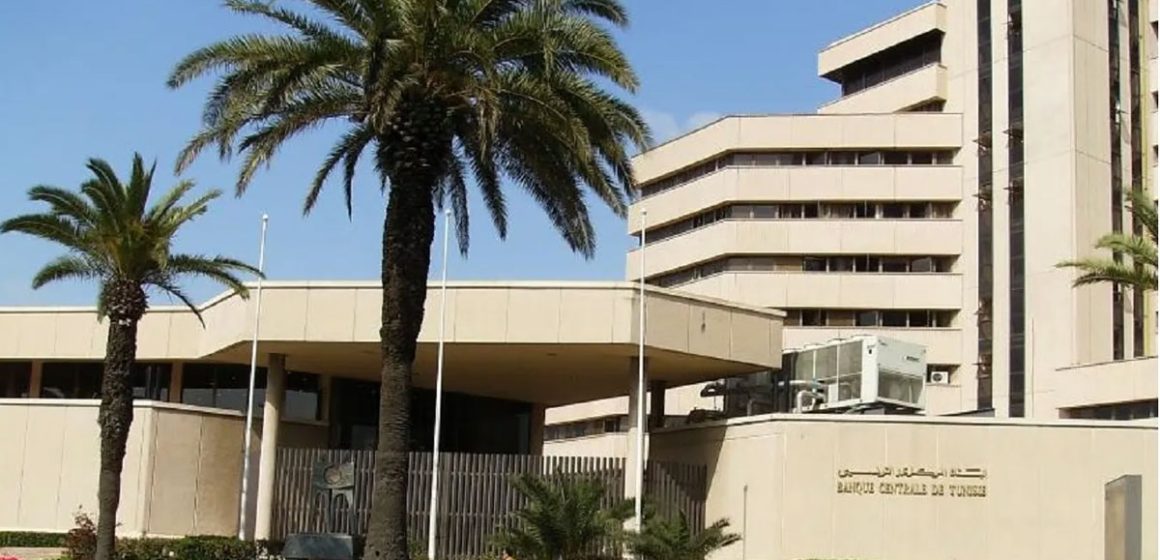
The Board of Directors of the Central Bank of Tunisia met on October 5, 2022 and reviewed recent economic and financial developments and the outlook for inflation.
On an international scale, growth in major economies has weakened recently, commodity and commodity prices, notably oil, have continued their downward trend albeit still at high levels, while global inflation is on the rise. is set at historically high levels. Central banks, while sticking to their price stability mandate, continue to tighten their monetary policies, resulting in a marked tightening of international financial conditions. The restrictive stance of monetary policies in the major economies is likely to intensify in the period ahead, with particularly strong inflationary pressures looming on the horizon, which are expected to be fueled by the energy crisis looming over the Europe at the approach of winter.
At the national level, economic activity weakened in the second quarter of 2022, against a backdrop in particular of the underperformance of non-manufacturing industries. In addition, the good performance of the activity of manufacturing industries, in particular exports, during the first half of 2022, which has continued in recent months, has helped to support the country's exports. Also, domestic demand improved after all health restrictions were lifted, thus fueling pressure on import flows.
As for consumer prices, the Council notes the continuation of the accelerated and generalized rise in inflation, which reached 8.6% in August 2022, i.e. the highest level reached in more than three decades. In particular, the Council notes that core inflation "excluding fresh food products and products at administered prices" , a measure of the fundamental inflation trend, accelerated to reach 8.5% in August 2022 after 8 .2% the previous month and 5.3% a year earlier.
At the level of the external sector, the Council takes note of the accentuation of the widening of the current account deficit which amounted to -5.8% of GDP during the first eight months of 2022 against -3.6% a year earlier, due to the worsening of the trade balance (-10.1% of GDP against -6.6% at the end of August 2021). The level of foreign exchange reserves stood at 23,848 MTD (or 112 days of imports) on September 29, 2022, against 23,313 MTD or 133 days at the end of 2021. Read More…