The Complete Guide to Environmental Impact Assessment -EIA

As global awareness of environmental issues continues to grow, the importance of sustainable development has never been more critical. One essential tool in ensuring that development projects are environmentally responsible is the Environmental Impact Assessment (EIA). Whether you're involved in construction, infrastructure, or industrial projects, understanding the EIA process is crucial for mitigating adverse environmental effects and promoting sustainability.
As global awareness of environmental issues continues to grow, the importance of sustainable development has never been more critical. One essential tool in ensuring that development projects are environmentally responsible is the Environmental Impact Assessment (EIA). Whether you're involved in construction, infrastructure, or industrial projects, understanding the EIA process is crucial for mitigating adverse environmental effects and promoting sustainability.
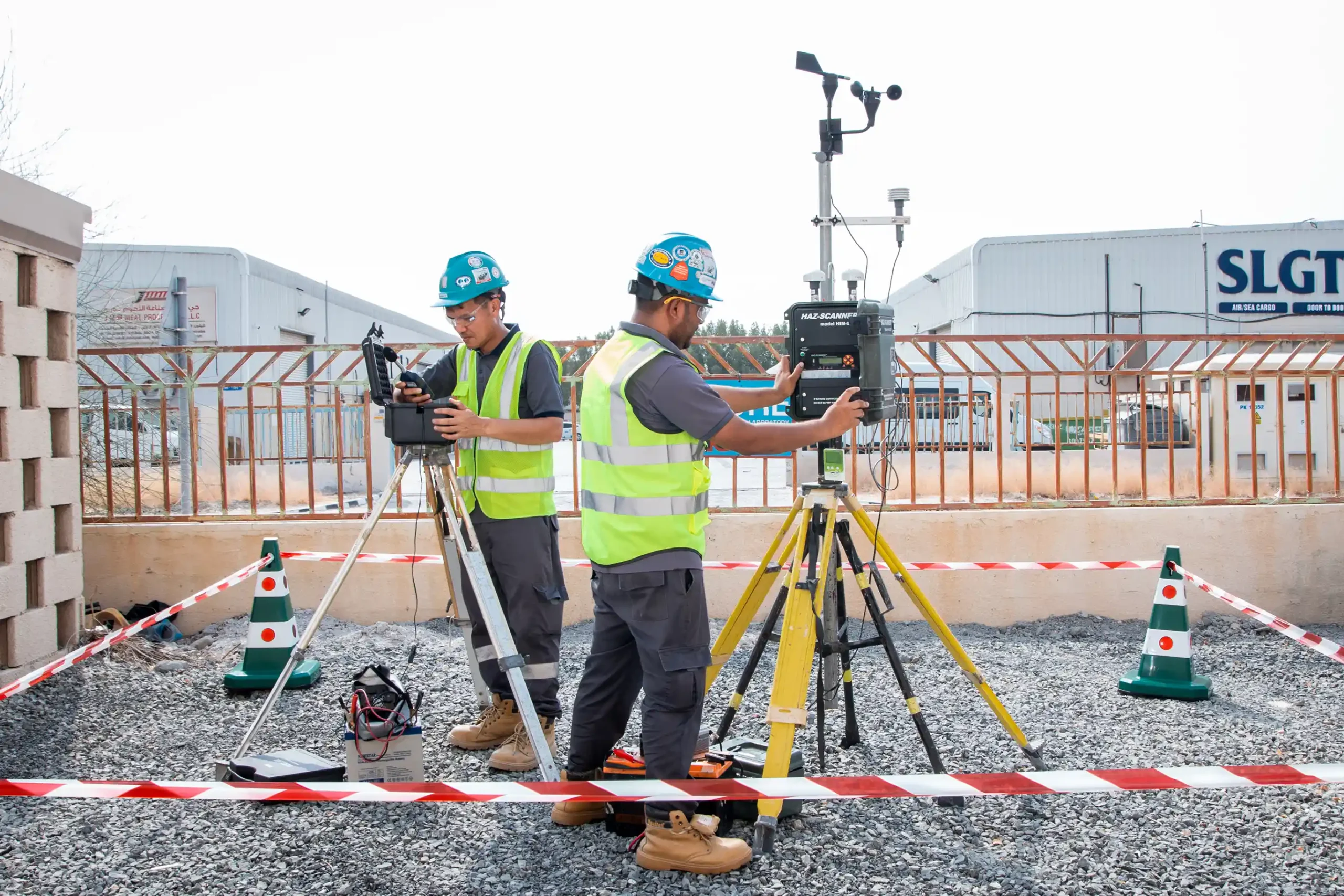
In this comprehensive guide, we will walk you through the key aspects of an Environmental Impact Assessment, explain the steps involved, and highlight how Core Laboratory plays a vital role in ensuring accurate and reliable environmental testing during the EIA process.
What is an Environmental Impact Assessment (EIA)?
An Environmental Impact Assessment (EIA) is a process used to evaluate the potential environmental effects of a proposed development or project. The primary goal of an EIA is to ensure that decision-makers consider the environmental consequences before proceeding with development. It helps identify, predict, and evaluate the potential environmental impacts of a project and suggests measures to mitigate or avoid negative effects.
EIA is typically required for large-scale development projects that may have significant environmental consequences, such as construction of dams, highways, industrial plants, or mining operations. The process involves a comprehensive analysis of various environmental factors, such as air quality, water resources, biodiversity, and human health.
Key Steps in the Environmental Impact Assessment Process
The EIA process is structured in several stages, each aimed at gathering critical data, analyzing potential environmental impacts, and developing strategies to reduce harm. Here's a breakdown of the main steps involved:
- Screening
The first step in the EIA process is screening, which helps determine whether a project requires an Environmental Impact Assessment. Not all projects need a full EIA. Screening involves evaluating the type, scale, and location of the project to decide if an EIA is necessary.
- Scoping
After the decision to proceed with an EIA is made, the next step is scoping, which defines the key environmental issues and concerns that the assessment will address. This stage outlines the boundaries of the EIA, focusing on the most significant impacts and identifying the necessary studies and data collection.
- Impact Assessment
The core of the Environmental Impact Assessment process is the impact assessment phase. This is where the potential environmental impacts of the project are thoroughly evaluated. The assessment includes examining direct, indirect, cumulative, and residual impacts on the environment, as well as on local communities and wildlife.
- Mitigation Measures
Once potential environmental impacts are identified, the next step is to propose mitigation measures to reduce or eliminate negative effects. This could involve adjusting the project’s design, using cleaner technologies, or implementing restoration plans.
- Environmental Impact Report (EIR)
The results of the EIA, including the identified impacts, mitigation measures, and recommendations, are compiled into an Environmental Impact Report (EIR). This report is submitted to regulatory authorities for review and approval.
- Public Participation
A key part of the EIA process is engaging with the public and relevant stakeholders. Public participation allows local communities, environmental groups, and other interested parties to review the proposed project and its potential impacts. Feedback is gathered and considered during decision-making.
- Monitoring and Follow-up
After a project is approved and implemented, continuous monitoring is essential to ensure that mitigation measures are effective and that the project does not cause unforeseen environmental damage.
Why Is an EIA Important?
An Environmental Impact Assessment is crucial for several reasons:
- Sustainable Development: By evaluating potential environmental impacts before a project begins, an EIA ensures that the development is sustainable, helping to preserve natural resources and ecosystems.
- Risk Mitigation: Identifying environmental risks early allows for mitigation strategies that reduce long-term harm to the environment and minimize project delays or additional costs.
- Regulatory Compliance: EIAs are often legally required. Adhering to EIA regulations ensures that a project complies with environmental laws and international standards.
- Public Trust: A thorough EIA process builds trust with local communities and other stakeholders, showing that the project prioritizes environmental and social responsibility.
How Core Laboratory Supports the EIA Process
At Core Laboratory, we provide comprehensive environmental testing and analytical services that support every stage of the Environmental Impact Assessment process. Our team of experienced scientists and technicians works closely with developers, consultants, and regulatory bodies to ensure that projects comply with environmental regulations and meet sustainability goals.
Our services include:
- Soil Testing
- Water Quality Analysis
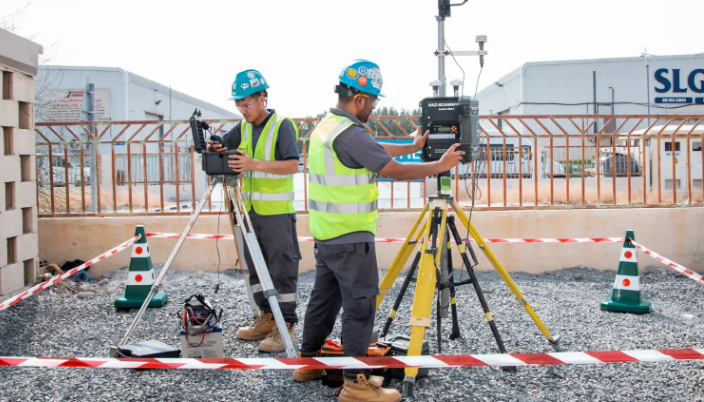
- Air Quality Monitoring
- Biodiversity Surveys
- Environmental Data Analysis
By leveraging the latest laboratory technologies and industry expertise, Core Laboratory ensures that your EIA is based on accurate, reliable, and scientifically sound data.
Conclusion
The Environmental Impact Assessment (EIA) process is an essential tool for ensuring that development projects do not harm the environment and are sustainable in the long term. From screening and scoping to impact assessment and mitigation, each step plays a crucial role in safeguarding the planet.
By working with trusted partners like Core Laboratory, you can be confident that your EIA is based on accurate environmental data and scientific expertise. Whether you’re embarking on a large-scale infrastructure project or a smaller development, an effective EIA will help minimize environmental risks, improve regulatory compliance, and ensure that your project contributes to a more sustainable future.
Get in Touch with Core Laboratory
If you’re planning a development project and need professional environmental testing for your EIA, Core Laboratory is here to help. Contact us today to learn more about our services and how we can support your EIA process with reliable data and expert analysis.


