The Crazy World of Italian Politics on Social Media
-
 Loading...
 - Tristan Renaud
- 06 Oct 2022
- 72 Views
- 0 Like
- 0 Comment
As Italians headed to the polls on the last Sunday in September, the leader of the far-right Fratelli d'Italia party Giorgia Meloni caused a stir on social media when she circumvented a ban on election day campaigning.
Posting a TikTok video in which she held two melons in front of her chest, the presumed next prime minister of Italy winked into the camera as she said: "25 September. I have said it all." The video was a reference to her surname which means "melons" in Italian and is also slang for breasts.
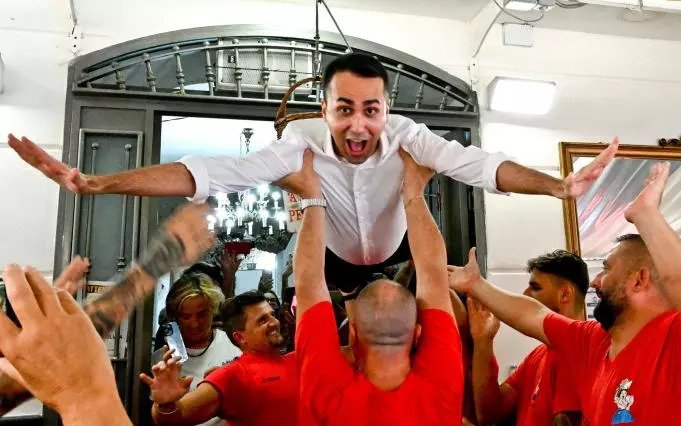
Seen as hilarious by some, crude by others, Meloni's cheeky video was perhaps a fitting end to an electoral campaign that saw Italian politicians make ever wilder and more bizarre use of their social media channels.
Capturing these moments, one by one, was a newly formed Twitter account called "Crazy Ass Moments in Italian Politics". The founder, a 34-year-old from northern Italy, spoke to Wanted in Rome about the journey that has seen him reach more than 66,000 followers in a matter of months.
Choosing to stay anonymous, he introduces himself as "just a man with a cellphone and an internet connection having some fun on Twitter". He set up the account in March after "falling in love" with a similarly titled page devoted to the absurdities of American politics. Realising that so-called clone pages were being created for other countries, he decided to "seize the moment" and open the Italian version.
Comedy gold
While convinced that he would never be left lacking in terms of comedy gold, he could not have foreseen the plethora of material coming down the tracks. When Mario Draghi's national unity government fell in July, it sparked a highly-charged election campaign with politicians tripping over themselves in a bid to out-do each other on social media.
Crazy Ass Moments in Italian Politics was ready for them and, significantly, captioned each post in English. The Italian founder admits that using English can be problematic "especially when explaining certain contexts that are difficult for a non-Italian to understand" but says it helps to reach audiences outside Italy as well as letting Italians see their politics with new eyes. "Perhaps in this way things appear more entertaining than they already are", he adds. Read More...