The Divine Splendor of Lord Vishnu in Tanjore Paintings

Tanjore paintings have a centuries-old legacy, dating back to the Maratha period in the 16th century.
Introduction:
Tanjore paintings, also known as Thanjavur paintings, hold a special place in the rich tapestry of Indian art. These intricate and vibrant artworks, originating from the town of Thanjavur in Tamil Nadu, seamlessly blend spirituality, tradition, and craftsmanship. Among the myriad deities depicted in Tanjore paintings, Lord Vishnu stands out as a divine and majestic subject. This article explores the allure and significance of Lord Vishnu Tanjore paintings, delving into the techniques, symbolism, and cultural context that make these artworks truly unique.
Historical Roots:
Tanjore paintings have a centuries-old legacy, dating back to the Maratha period in the 16th century. Originally patronized by the Nayak and Maratha rulers of Thanjavur, these artworks were crafted to adorn temples and palaces, serving as a visual medium for expressing devotion and reverence. Over time, Tanjore paintings evolved, incorporating influences from various artistic traditions, resulting in the distinctive style we see today.
Lord Vishnu in Tanjore Paintings:
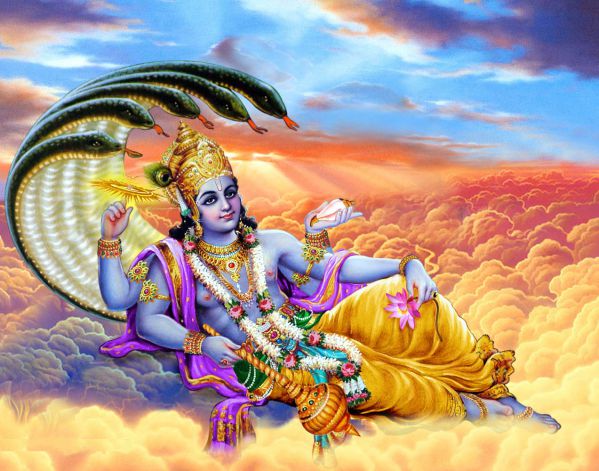
Lord Vishnu, a central deity in Hinduism, is revered as the preserver of the universe. Tanjore paintings capture the essence of Lord Vishnu's divine attributes, portraying him in opulent regalia with elaborate jewelry, a serene countenance, and his iconic conch (Shankha), discus (Chakra), mace (Gada), and lotus (Padma). The use of rich, vibrant colors, especially gold leaf, enhances the divine aura surrounding Lord Vishnu in these paintings.
Techniques and Materials:
Tanjore paintings are characterized by their unique techniques and materials. The base is typically a wooden plank, onto which a layer of cloth is pasted. A mixture of limestone and glue, known as "chalk powder," is applied to create a smooth and even surface. The artisan then sketches the intricate details of Lord Vishnu using charcoal before applying vibrant natural pigments and gold foil. The gold leaf, often used for embellishments and backgrounds, adds a luxurious and radiant quality to the artwork.
Symbolism in Lord Vishnu Tanjore Paintings:
Each element in a Tanjore painting holds symbolic significance, contributing to the spiritual narrative. Lord Vishnu is often depicted with four arms, symbolizing his omnipotence and ability to uphold righteousness in all directions. The conch represents the primordial sound of creation, the discus signifies the cosmic cycle, the mace represents the force of knowledge, and the lotus represents purity and enlightenment. The portrayal of lord vishnu tanjore paintings becomes a visual hymn, conveying profound metaphysical meanings to the observer.
Cultural Significance:
Lord Vishnu Tanjore paintings not only serve as objects of artistic beauty but also play a crucial role in religious and cultural contexts. They are considered auspicious and are often gifted during religious ceremonies, weddings, and festivals. These paintings adorn the walls of temples, homes, and art galleries, serving as a constant reminder of divinity and spirituality.
Preserving Tradition in Modern Times:
In the contemporary era, artists continue to uphold the tradition of Tanjore paintings, adapting to changing tastes and preferences. While traditional motifs are revered, modern interpretations and innovations have also found their place in the realm of Tanjore art. This dynamic fusion ensures the continued relevance and appreciation of Lord Vishnu Tanjore paintings in a globalized world.
Conclusion:
Lord Vishnu Tanjore paintings exemplify the sublime intersection of art and spirituality, preserving the rich cultural heritage of India. Through intricate details, vibrant colors, and symbolic nuances, these artworks transcend the realms of mere decoration, offering a profound connection to the divine. As we marvel at the divine splendor of Lord Vishnu in Tanjore paintings, we become witnesses to a timeless tradition that continues to inspire awe and reverence across generations.