The economics of Eid-ul-Fitr
-
 Loading...
 - Aagni Begum
- 02 May 2022
- 309 Views
- 0 Like
- 0 Comment
The latest wave of Covid-19 is on the verge. The economy looks like on rebound mode, but it may take more time for the life and livelihood to return to normalcy if other things remain constant.
In the last 24 months, Bangladesh missed dozens of festivals, but if they could be celebrated to a greater degree, the economy would have regained momentum.
Curbing disparity, proper distribution of resources, and the window of employment opportunity for the lower and middle class can be notched up by leveraging this festival.
It was highly speculated that the economic climate will be nascent in the next phase on the heels of the last two years' exacerbated situation. So, pouring more funds this time may turn to drainage. That takes a heavy toll on the overall scenario. This is the landscape of how the festival's economy becomes gloomy.
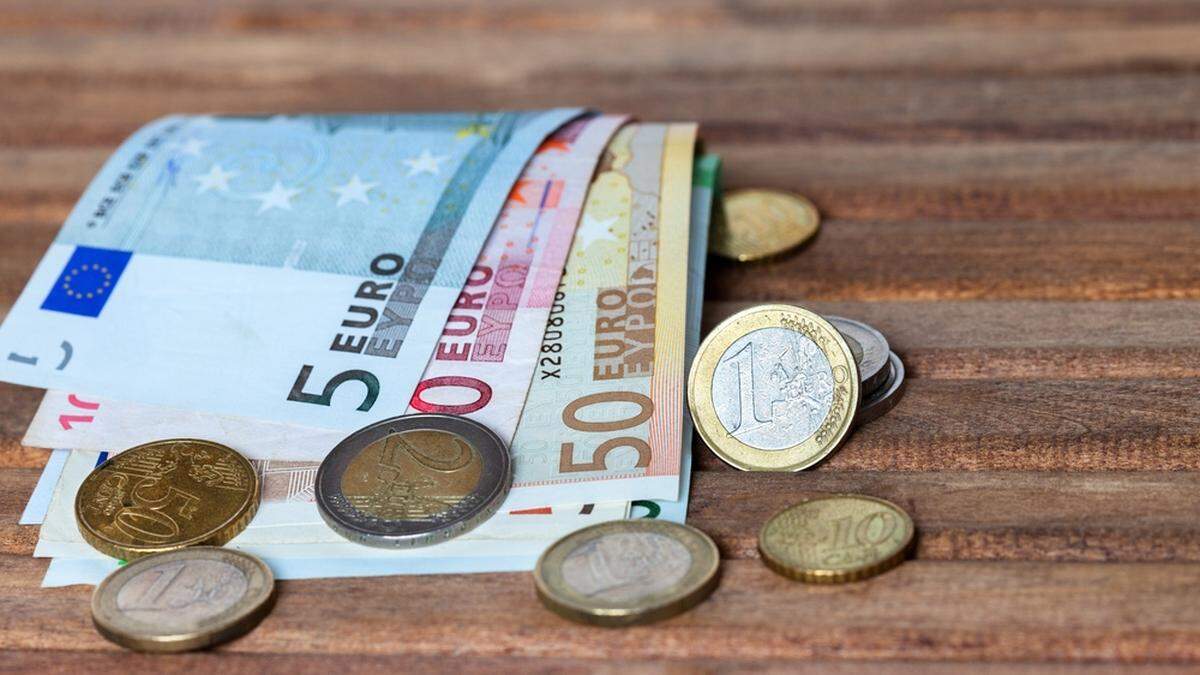
However, given that the nation spent a substantial amount of cash for Eid-ul-Fitr (two months' salary and festival bonus together) and remittances poured in, a special business spree started for the transportation sector as many people travel. Media reports confirm the magnitude of financial transactions marking the celebration of Eid in a country of 17.5 crore people.
Festivals are common in all societies and cultures. With the change in social and economic structures, the nature of festivals also changes. But some festivals are so deeply rooted in the social organism that they continue to entertain from generation to generation.
Some of the festivals bear the mark of the community and nationality, some have the stamp of religion, and some bear the impression of politics. The main foundation of religious festivals is ritual and is of collective activities. Many of the rituals were related to agriculture and were determined by lunar months.
The ancient rituals were magical processes to tame supernatural power. In the subsequent cultures, this characteristic feature was retained. Some spontaneous agro-based ancient festivals lost their spontaneity with the passing of time and became more formal.
Although most of the festivals were related to religions, these did not evolve on account of religions - they originated spontaneously in society.
Later, they assumed a more formal character. For example, not very long ago, singing and music were a part of the Eid festival of the Muslims of Bengal, which was an expression of spontaneity. But now it is not there. Nowadays, these are more formal than before, but new social dimensions have been added to them.
They have become occasions of mutual exchange of pleasantries among friends and relatives and become an event of economic boom, cultural activities and even political manoeuvrings.
Eid-ul-Fitr is also connoted as a festival of distributing fitra, a form of charity from the rich to the poor, helping them celebrate Eid.
In Bangladesh, Eid is observed colourfully in a befitting manner and with great zeal and zest. This festival has evolved in the primitive society out of the prayer for food and has now become varied and vibrant.
The night before Eid is called Chand Rat because of the sighting of the moon. Muslims will often visit bazaars and shopping malls with their families for Eid shopping.
Women, especially younger girls, will often apply the traditional Mehendi, or henna, on their hands and feet and wear colourful bangles. The traditional Eid greeting is Eid Mubarak and it is frequently followed by a formal embrace.
Gifts are frequently given. New clothes are part of the tradition — and it is also common for children to be given small sums of money by their elders. It is common for children to offer salam to parents and adult relatives.
After the Eid prayers, it is common for some families to visit graveyards and pray for the salvation of departed family members. It is also common to visit neighbours, family members, especially senior relatives and get together to share sweets, snacks and special meals, including some special dishes that are prepared specifically on Eid.
People put on new clothes, children are given gifts and money, and everyone visits relatives and friends. It is the time when everyone asks pardon for all the wrongs of the past year.
The Eid-ul-Fitr effect exists around the festivity and has an impact on the socio-economic arena. Markets for clothes, footwear, cosmetics, jewellery and electronic gadgets witness bumper sales to the tune of thousands of crores of taka ahead of Eid.
Commercial banks witness a heavy rush for money transactions as a huge number of clients withdraw and deposit cash only a few days ahead of Eid-ul-Fitr. Read More...