The Elaborate Wedding Traditions of Bulgaria's Pomak People
-
 Loading...
 - Sauvo Hiltunen
- 06 Mar 2025
- 37 Views
- 0 Like
- 0 Comment
The Pomak people, a Muslim ethnic group in Bulgaria, have a rich cultural heritage that is particularly evident in their wedding traditions. These customs reflect a blend of local Bulgarian influences and Islamic practices, creating a unique and vibrant celebration. Here’s an overview of the elaborate wedding traditions of the Pomak community.
1. Pre-Wedding Rituals
Before the wedding day, several rituals take place. One of the most significant is the engagement ceremony, known as "kız isteme," where the groom's family formally asks for the bride's hand in marriage. This event is often accompanied by the exchange of gifts and a feast, symbolizing the families' commitment to the union.
Another important pre-wedding tradition is the bride's preparation, which involves various beauty rituals. The bride is adorned with traditional clothing, often featuring intricate embroidery, and her hair is styled in a way that reflects her cultural identity. Family members and friends gather to assist in these preparations, creating a festive atmosphere.
2. The Wedding Ceremony
The wedding ceremony itself is a grand affair, typically held in the bride's home or a designated venue. It often begins with a procession, where the groom and his family arrive to collect the bride. This procession is accompanied by music, singing, and dancing, creating a lively and joyous atmosphere.
During the ceremony, a religious leader conducts the marriage rites, which may include the recitation of verses from the Quran. The couple exchanges vows, and the groom often presents the bride with a mahr (a mandatory gift in Islamic marriages), which can be in the form of money, jewelry, or other valuable items.
3. Traditional Attire
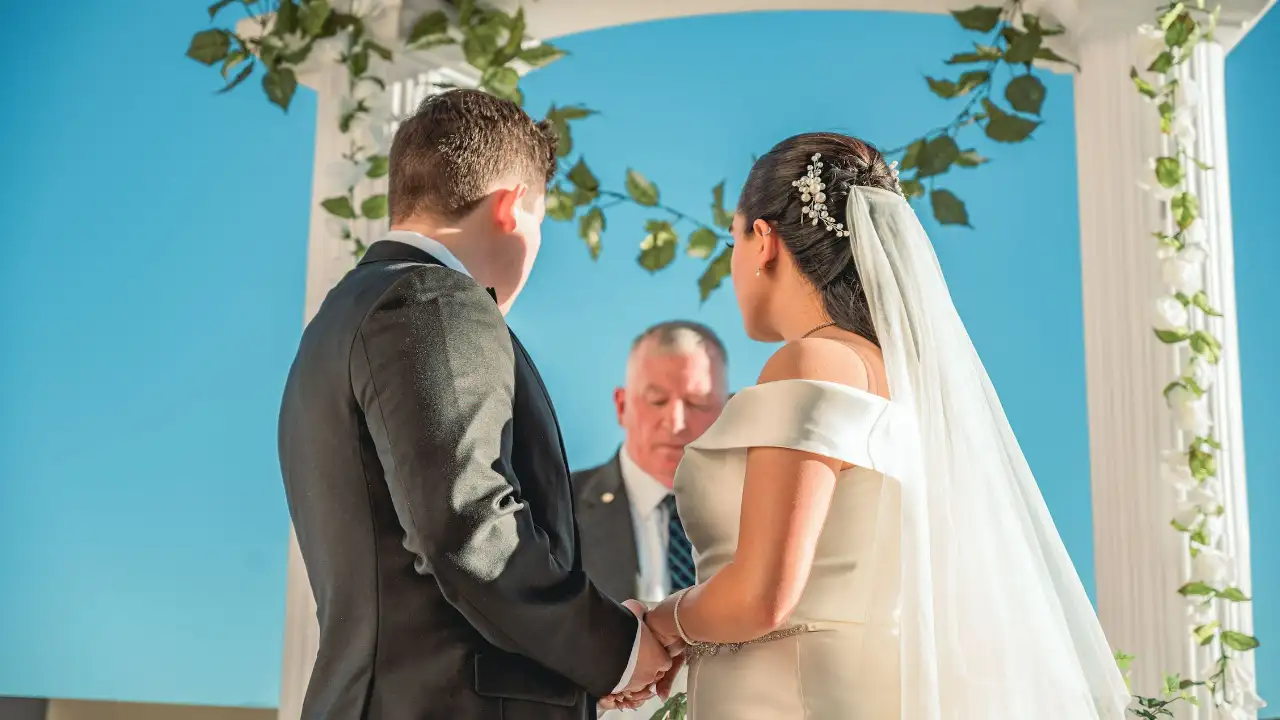
Traditional attire plays a significant role in Pomak weddings. The bride typically wears a beautifully embroidered dress, often in bright colors, adorned with intricate patterns that symbolize her family's heritage. She may also wear a veil and a headpiece decorated with flowers or coins, signifying her status as a bride.
The groom usually dresses in a traditional suit, which may include a vest and a hat. His attire is often complemented by accessories that reflect his family's cultural background.
4. Post-Wedding Celebrations
After the wedding ceremony, the celebrations continue with a lavish feast that includes traditional Pomak dishes. Guests are treated to a variety of foods, including grilled meats, rice, and pastries, accompanied by music and dancing. The festivities can last for several days, with family and friends coming together to celebrate the newlyweds.
One unique aspect of Pomak weddings is the "kolo" dance, a traditional circle dance that brings everyone together. This dance symbolizes unity and joy, allowing guests to participate actively in the celebration.
5. Symbolic Gestures and Customs
Throughout the wedding, various symbolic gestures and customs are observed. For instance, the bride may perform a ritual where she throws a piece of bread over her shoulder, symbolizing prosperity and abundance in her new life. Additionally, the couple may receive blessings from their elders, who offer advice and well-wishes for a happy marriage.
Conclusion
The wedding traditions of Bulgaria's Pomak people are a beautiful reflection of their cultural identity, blending local customs with Islamic practices. From pre-wedding rituals to elaborate celebrations, these traditions create a rich tapestry of love, family, and community. For the Pomak people, weddings are not just a union of two individuals but a celebration of heritage, identity, and the bonds that tie families together.