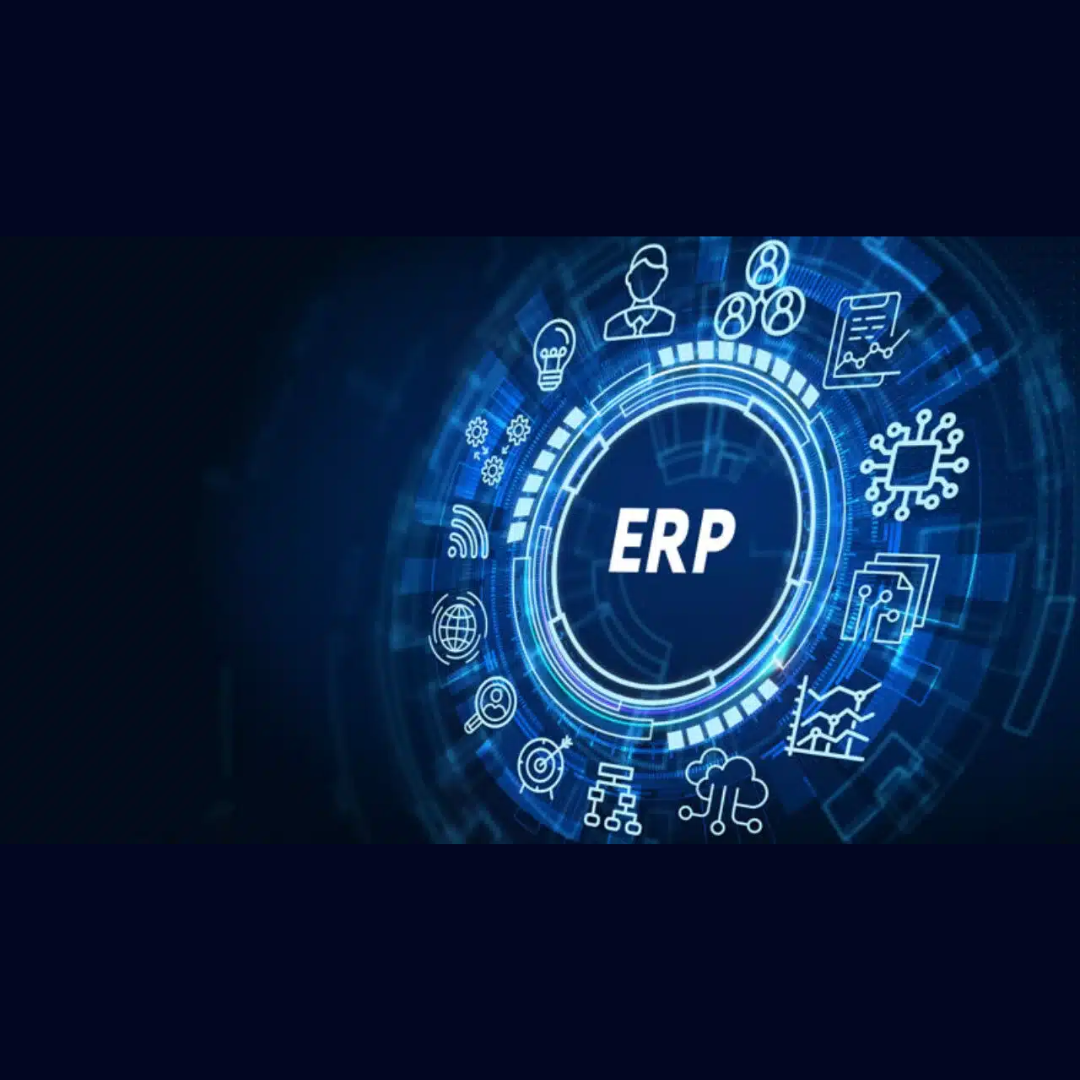
The Impact of Smart Cloud ERP on 21st Century Business
-
 Loading...
 - Reet Yadav
- 25 Sep 2024
- 110 Views
- 0 Like
- 0 Comment
Companies are no longer limited by manual processes or fragmented data; instead, they can leverage the power of Smart Cloud ERP to streamline operations, enhance decision-making, and drive growth.
In the 21st century, businesses are experiencing a revolution in how they operate, driven largely by advancements in technology. Among these innovations, Intelligent Cloud ERP (Enterprise Resource Planning) systems stand out as a transformative force. With the integration of artificial intelligence (AI), machine learning (ML), and advanced data analytics, these modern ERP Software in Udaipur are reshaping the business landscape. Companies are no longer limited by manual processes or fragmented data; instead, they can leverage the power of Smart Cloud ERP to streamline operations, enhance decision-making, and drive growth.
What is a Smart Cloud ERP?
At its core, a Smart Cloud ERP is an enterprise software system that integrates various business functions like finance, supply chain, human resources, and customer relations into a single platform. What makes it "smart" is the incorporation of AI, machine learning, and predictive analytics to automate processes and provide real-time insights. Being cloud-based, it offers flexibility, scalability, and accessibility, enabling businesses to operate more efficiently and with greater agility.
Key Benefits of Intelligent Cloud ERP Systems
1. Automation and Efficiency: One of the primary advantages of Smart Cloud ERP is the automation of routine and manual tasks. By automating these processes, businesses can significantly reduce human error and improve efficiency. Tasks like invoice processing, inventory management, and financial reporting can now be handled with minimal manual input, allowing employees to focus on higher-value activities.
2. Real-Time Data and Insights: In today's fast-paced business environment, timely and accurate data is crucial for making informed decisions. Smart Cloud SAP Business One Partner Udaipur provide real-time access to data, offering businesses insights into their operations. Whether it's monitoring cash flow, tracking inventory levels, or analyzing customer behavior, companies can rely on up-to-the-minute information to guide their strategies.
3. Scalability and Flexibility: Cloud-based ERP systems offer unparalleled scalability. As businesses grow, they can easily expand their ERP capabilities without the need for significant infrastructure changes. Whether adding new users, integrating additional modules, or scaling operations globally, Smart Cloud ERP ensures that businesses can adapt quickly to changing needs.
4. Cost Savings: Traditional on-premise ERP systems often come with high upfront costs for hardware, software, and maintenance. In contrast, Cloud ERP solutions typically follow a subscription-based model, reducing the need for significant capital expenditure. Additionally, the ability to access the system from anywhere reduces operational costs related to physical infrastructure, travel, and manual processes.
5. Enhanced Decision-Making with AI and Machine Learning: One of the standout features of Smart Cloud ERP is its ability to leverage AI and machine learning to enhance decision-making. These systems analyze large datasets to identify patterns and trends, providing predictive analytics that can guide business decisions. For instance, machine learning algorithms can predict inventory needs based on historical data, ensuring optimal stock levels and reducing costs associated with overstocking or stockouts.
6. Improved Customer Experience: By integrating customer relationship management (CRM) functionality, Smart Cloud ERP systems allow businesses to better understand and serve their customers. Real-time insights into customer preferences, buying behavior, and feedback enable businesses to offer more personalized and responsive services, improving customer satisfaction and loyalty.
The Role of Smart Cloud ERP in Digital Transformation
Digital transformation is a top priority for businesses in the 21st century. Companies are under pressure to modernize their operations to stay competitive in an increasingly digital world. Smart Cloud Software Company in Udaipur plays a central role in this transformation by providing the technological infrastructure necessary to automate, analyze, and innovate.
With the integration of AI and machine learning, Smart Cloud ERP helps companies move beyond reactive decision-making to proactive strategies. For example, businesses can use predictive analytics to forecast demand, manage risks, and optimize resources, all of which contribute to more efficient operations and better financial outcomes.
Additionally, Cloud ERP facilitates collaboration and remote work, a growing trend in the 21st century. Employees can access critical business systems from anywhere, allowing teams to work together seamlessly, regardless of geographic location. This capability not only enhances productivity but also supports business continuity during disruptions, such as global crises or natural disasters.
Challenges of Adopting Smart Cloud ERP
While the benefits of Smart Cloud ERP are significant, businesses may face challenges during adoption. Implementing a new ERP system requires careful planning, as well as a clear understanding of existing processes and future goals. Data migration, user training, and integration with legacy systems can be complex and time-consuming. Additionally, companies need to consider cybersecurity, as cloud-based systems can be vulnerable to breaches if not properly secured. However, most Smart Cloud SAP Business One in Udaipur offer robust security measures, including encryption, multi-factor authentication, and continuous monitoring, to mitigate these risks.
Conclusion
The impact of Smart Cloud ERP on 21st-century business is undeniable. By automating processes, providing real-time insights, and enabling scalability, these systems are helping businesses drive efficiency, innovation, and growth. As companies continue to embrace digital transformation, Smart Cloud ERP will play an essential role in ensuring they stay competitive, agile, and ready for the challenges and opportunities of the future. For businesses looking to succeed in the digital age, adopting a Smart Cloud ERP system is not just a technological upgrade—it's a strategic necessity.