The Importance of Wheel Alignment and Balancing for Car Tyres
-
 Loading...
 - Jiya Khurana
- 25 Mar 2025
- 46 Views
- 0 Like
- 0 Comment
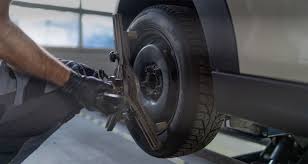
Proper wheel alignment and balancing are crucial for maintaining vehicle stability, tyre longevity, and overall driving comfort. Many car owners overlook these essential maintenance practices, leading to uneven tyre wear, poor fuel efficiency, and compromised safety. Whether you're driving on city roads or highways, ensuring that your wheels are correctly aligned and balanced can significantly improve your vehicle's performance and handling.
Understanding Wheel Alignment and Balancing
While both wheel alignment and balancing contribute to a smooth ride, they address different aspects of a vehicle’s tyres and suspension system:
- Wheel Alignment refers to adjusting the angles of the wheels to ensure they are parallel to each other and perpendicular to the road. Proper alignment helps prevent uneven tyre wear and enhances steering control.
- Wheel Balancing involves equalizing the weight distribution across all four tyres to minimize vibrations and ensure a stable drive. Imbalanced wheels can lead to steering wobble, increased tyre wear, and strain on suspension components.
Why Wheel Alignment Matters
- Prevents Uneven Tyre Wear
Misaligned wheels cause tyres to wear unevenly, leading to premature replacement and added costs. Proper alignment ensures even contact with the road, extending tyre lifespan. - Improves Fuel Efficiency
When wheels are out of alignment, the tyres experience increased rolling resistance, requiring more effort from the engine. This results in higher fuel consumption. Correct alignment allows the vehicle to move more efficiently, saving fuel in the long run. - Enhances Vehicle Stability and Safety
A car with misaligned wheels may pull to one side, making steering difficult and increasing the risk of accidents. Proper alignment ensures better control, especially at high speeds or on wet roads.
The Importance of Wheel Balancing
- Reduces Steering Vibrations
Unbalanced wheels can cause noticeable vibrations in the steering wheel, particularly at higher speeds. Balancing helps distribute weight evenly, ensuring a smoother driving experience. - Minimizes Suspension and Steering Wear
Imbalanced wheels put extra stress on suspension components, leading to premature wear and potential repairs. Regular balancing helps maintain these crucial parts. - Extends Tyre Life
Just like alignment, proper wheel balancing prevents irregular tyre wear, maximizing their lifespan and performance. 
When Should You Get Your Wheels Aligned and Balanced?
- After hitting a pothole or curb
- When experiencing uneven tyre wear
- If the steering feels off-center or the car pulls to one side
- When you notice vibrations in the steering wheel
- After replacing or rotating tyres
Final Thoughts
Regular wheel alignment and balancing are essential for maintaining optimal vehicle performance, ensuring safety, and prolonging tyre life. Neglecting these aspects can lead to higher fuel consumption, increased tyre wear, and costly repairs.
Leading brands like Apollo Tyres emphasize the importance of proper tyre maintenance to enhance road safety and driving comfort. By keeping your wheels aligned and balanced, you not only improve your car’s efficiency but also ensure a smoother and safer ride.


