The Jalisco Cartel's Quiet Expansion in Guatemala
-
 Loading...
 - Baniti Emad
- 20 Jul 2022
- 108 Views
- 0 Like
- 0 Comment
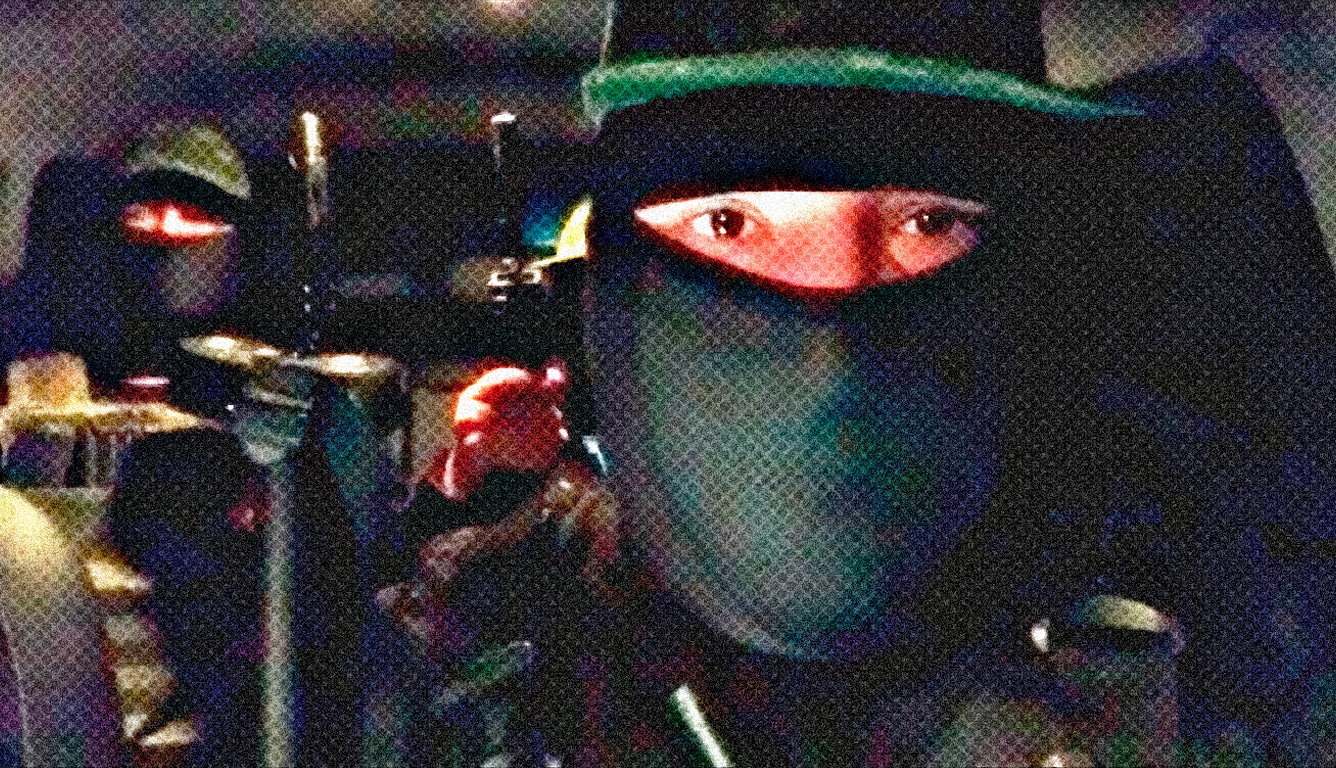
It started with a video posted on social media last September, in which heavily armed men, with thick Mexican accents, claimed allegiance to the CJNG and accused Guatemalan police of stealing a drug shipment.
“We’re coming for you,” said the masked subject recording the video, which was directed at police. “You have 24 hours to return everything.”
Alarm bells sounded. Was the Jalisco Cartel New Generation (Cártel Jalisco Nueva Generación – CJNG), which has left a bloody trail across Mexico, making inroads into Guatemala?
A few months later, an investigation came to light linking the CJNG to Guatemalan drug networks and military officials. And in March of this year, the US Treasury Department alleged that an infamous Guatemalan drug clan smuggled cocaine, heroin and methamphetamine to the United States using the CJNG.
For decades, Mexico’s most powerful groups – including the Gulf and Sinaloa cartels, and the once-mighty Zetas – have partnered with Guatemalan drug networks to ensure a steady supply of cocaine from Central America. Yet the reports of CJNG involvement are both new and distressing. The group is one of Mexico’s most murderous cartels, and Guatemala still holds traumatic memories of when the Zetas stormed the country in the late 2000s and early 2010s, slaughtering rival traffickers, police and civilians in their quest for new territory.
But the CJNG’s approach appears to be different: the group has not created a permanent armed cell in Guatemala, nor has it made a rapid violent expansion there, as the Zetas once did.
Rather, early investigations and intelligence indicate that the CJNG is striking partnerships with drug rings in Guatemala – active on the Pacific Coast and the western border with Mexico – that receive shipments of cocaine from Colombia and Venezuela and deliver them to the cartel.
No Permanent Cell, but Links to Guatemala Drug Clans
Guatemalan authorities first detected the CJNG’s presence in 2019, during an investigation into aerial cocaine trafficking that uncovered connections between the cartel and local drug smugglers.
During that operation, dubbed Criminal Triangle (Triángulo Criminal), prosecutors intercepted phone calls between members of a drug ring on Guatemala’s Pacific coast and a Mexican national who authorities believe worked for the CJNG, according to Alan Ajiatas, sub-director of the Guatemala Attorney General’s Office’s anti-narcotics unit.
“We presume he’s from the Jalisco Cartel,” Ajiatas said, adding that the individual was the only suspected CJNG member with possible links to Guatemalan drug groups detected during the investigation, which surfaced after a series of raids across Guatemala in late 2021. The probe found that the suspect was operating in Mexico and not within Guatemalan territory.
“[The CJNG is] probably designating people to manage certain territories,” Ajiatas said. And this strategy is not limited to the Guatemalan Pacific.
During a separate anti-narcotics investigation, which began in 2021, the Guatemala Attorney General’s Office identified another suspected Mexican drug trafficker working with a smuggling ring in the northern province of Petén, a vast jungle region on the border with Mexico long used to traffic cocaine north. This time, authorities confirmed the trafficker was a member of the CJNG who could be moving between the two countries, Ajiatas told InSight Crime.
“The CJNG probably has influence [in Petén] as well,” said Ajiatas.
The US government, which often partners with Guatemala in anti-narcotics investigations, is also alert to the cartel’s presence there.
A State Department official told InSight Crime in an email that information from Guatemala “indicates the CJNG has recently started to have a physical presence” in Petén and Huehuetenango.
The cartel’s activity in Huehuetenango, a province in northwest Guatemala bordering Mexico, appears to be a partnership with a well-established drug ring known as the Huistas, one of the country’s most enduring clans and a decades-old partner of Mexican groups.
The same State Department official told InSight Crime that top Huistas members have coordinated with members of the CJNG in Mexico City to arrange drug shipments from Guatemala through Mexico.
Ajiatas said that joint investigations between the Guatemala Attorney General’s Office and US authorities had uncovered links between the CJNG and the Huistas. He added that the dynamic is similar to the cartel’s relationship with groups on the Pacific Coast and in Petén, with the CJNG looking for local partners. Read More...