Home Upload Photo Upload Videos Write a Blog Analytics Messaging Streaming Create Adverts Creators Program
Bebuzee Afghanistan Bebuzee Albania Bebuzee Algeria Bebuzee Andorra Bebuzee Angola Bebuzee Antigua and Barbuda Bebuzee Argentina Bebuzee Armenia Bebuzee Australia Bebuzee Austria Bebuzee Azerbaijan Bebuzee Bahamas Bebuzee Bahrain Bebuzee Bangladesh Bebuzee Barbados Bebuzee Belarus Bebuzee Belgium Bebuzee Belize Bebuzee Benin Bebuzee Bhutan Bebuzee Bolivia Bebuzee Bosnia and Herzegovina Bebuzee Botswana Bebuzee Brazil Bebuzee Brunei Bebuzee Bulgaria Bebuzee Burkina Faso Bebuzee Burundi Bebuzee Cabo Verde Bebuzee Cambodia Bebuzee Cameroon Bebuzee Canada Bebuzee Central African Republic Bebuzee Chad Bebuzee Chile Bebuzee China Bebuzee Colombia Bebuzee Comoros Bebuzee Costa Rica Bebuzee Côte d'Ivoire Bebuzee Croatia Bebuzee Cuba Bebuzee Cyprus Bebuzee Czech Republic Bebuzee Democratic Republic of the Congo Bebuzee Denmark Bebuzee Djibouti Bebuzee Dominica Bebuzee Dominican Republic Bebuzee Ecuador Bebuzee Egypt Bebuzee El Salvador Bebuzee Equatorial Guinea Bebuzee Eritrea Bebuzee Estonia Bebuzee Eswatini Bebuzee Ethiopia Bebuzee Fiji Bebuzee Finland Bebuzee France Bebuzee Gabon Bebuzee Gambia Bebuzee Georgia Bebuzee Germany Bebuzee Ghana Bebuzee Greece Bebuzee Grenada Bebuzee Guatemala Bebuzee Guinea Bebuzee Guinea-Bissau Bebuzee Guyana Bebuzee Haiti Bebuzee Honduras Bebuzee Hong Kong Bebuzee Hungary Bebuzee Iceland Bebuzee India Bebuzee Indonesia Bebuzee Iran Bebuzee Iraq Bebuzee Ireland Bebuzee Israel Bebuzee Italy Bebuzee Jamaica Bebuzee Japan Bebuzee Jordan Bebuzee Kazakhstan Bebuzee Kenya Bebuzee Kiribati Bebuzee Kuwait Bebuzee Kyrgyzstan Bebuzee Laos Bebuzee Latvia Bebuzee Lebanon Bebuzee Lesotho Bebuzee Liberia Bebuzee Libya Bebuzee Liechtenstein Bebuzee Lithuania Bebuzee Luxembourg Bebuzee Madagascar Bebuzee Malawi Bebuzee Malaysia Bebuzee Maldives Bebuzee Mali Bebuzee Malta Bebuzee Marshall Islands Bebuzee Mauritania Bebuzee Mauritius Bebuzee Mexico Bebuzee Micronesia Bebuzee Moldova Bebuzee Monaco Bebuzee Mongolia Bebuzee Montenegro Bebuzee Morocco Bebuzee Mozambique Bebuzee Myanmar Bebuzee Namibia Bebuzee Nauru Bebuzee Nepal Bebuzee Netherlands Bebuzee New Zealand Bebuzee Nicaragua Bebuzee Niger Bebuzee Nigeria Bebuzee North Korea Bebuzee North Macedonia Bebuzee Norway Bebuzee Oman Bebuzee Pakistan Bebuzee Palau Bebuzee Panama Bebuzee Papua New Guinea Bebuzee Paraguay Bebuzee Peru Bebuzee Philippines Bebuzee Poland Bebuzee Portugal Bebuzee Qatar Bebuzee Republic of the Congo Bebuzee Romania Bebuzee Russia Bebuzee Rwanda Bebuzee Saint Kitts and Nevis Bebuzee Saint Lucia Bebuzee Saint Vincent and the Grenadines Bebuzee Samoa Bebuzee San Marino Bebuzee São Tomé and Príncipe Bebuzee Saudi Arabia Bebuzee Senegal Bebuzee Serbia Bebuzee Seychelles Bebuzee Sierra Leone Bebuzee Singapore Bebuzee Slovakia Bebuzee Slovenia Bebuzee Solomon Islands Bebuzee Somalia Bebuzee South Africa Bebuzee South Korea Bebuzee South Sudan Bebuzee Spain Bebuzee Sri Lanka Bebuzee Sudan Bebuzee Suriname Bebuzee Sweden Bebuzee Switzerland Bebuzee Syria Bebuzee Taiwan Bebuzee Tajikistan Bebuzee Tanzania Bebuzee Thailand Bebuzee Timor-Leste Bebuzee Togo Bebuzee Tonga Bebuzee Trinidad and Tobago Bebuzee Tunisia Bebuzee Turkey Bebuzee Turkmenistan Bebuzee Tuvalu Bebuzee Uganda Bebuzee Ukraine Bebuzee United Arab Emirates Bebuzee United Kingdom Bebuzee Uruguay Bebuzee Uzbekistan Bebuzee Vanuatu Bebuzee Venezuela Bebuzee Vietnam Bebuzee World Wide Bebuzee Yemen Bebuzee Zambia Bebuzee Zimbabwe
Blog Image

The Kuba Textiles From The Drc

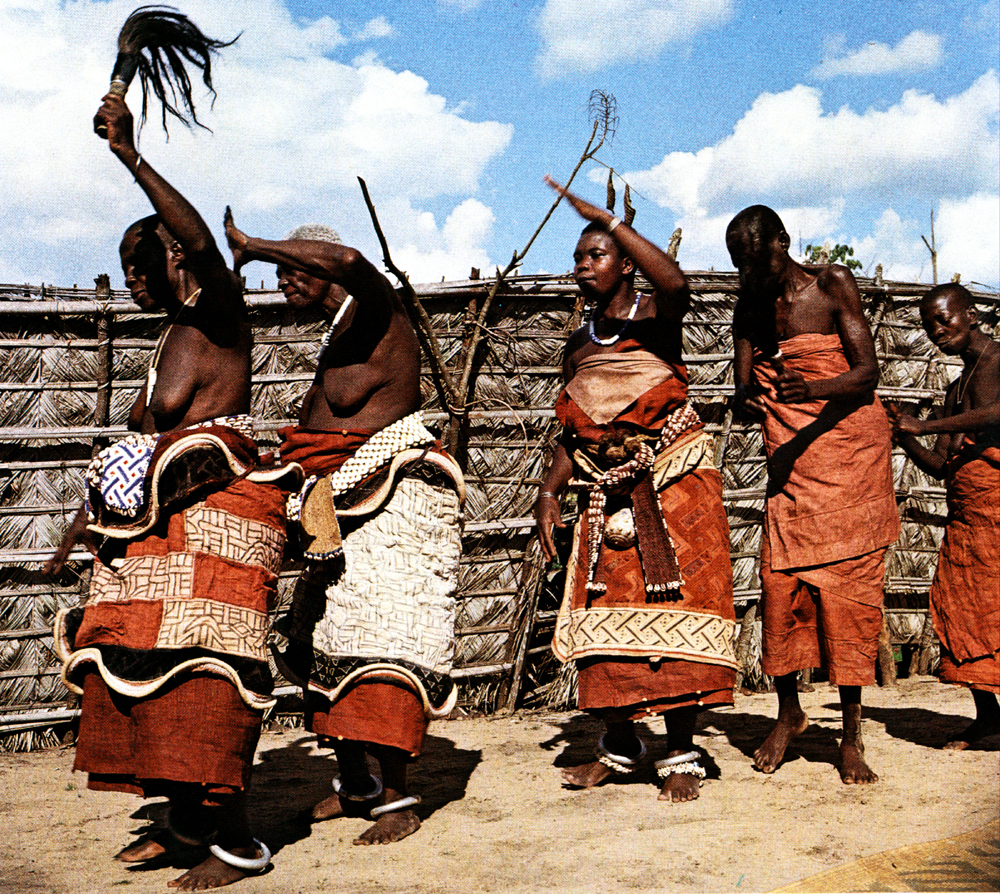
Kuba textiles are a remarkable and intricate form of textile art originating from the Kuba Kingdom in the Democratic Republic of the Congo (DRC). These textiles are renowned for their complex patterns, vibrant colors, and cultural significance. The Kuba people, residing in the Kasai region of the DRC, have a rich tradition of textile production that dates back centuries. The Kuba Kingdom was established in the 17th century, and its artisans have been creating these textiles ever since. Kuba textiles are deeply embedded in the cultural and social fabric of the Kuba people. They are used in various ceremonies and rituals, including weddings, funerals, and initiation rites, often symbolizing wealth, status, and identity within the community.
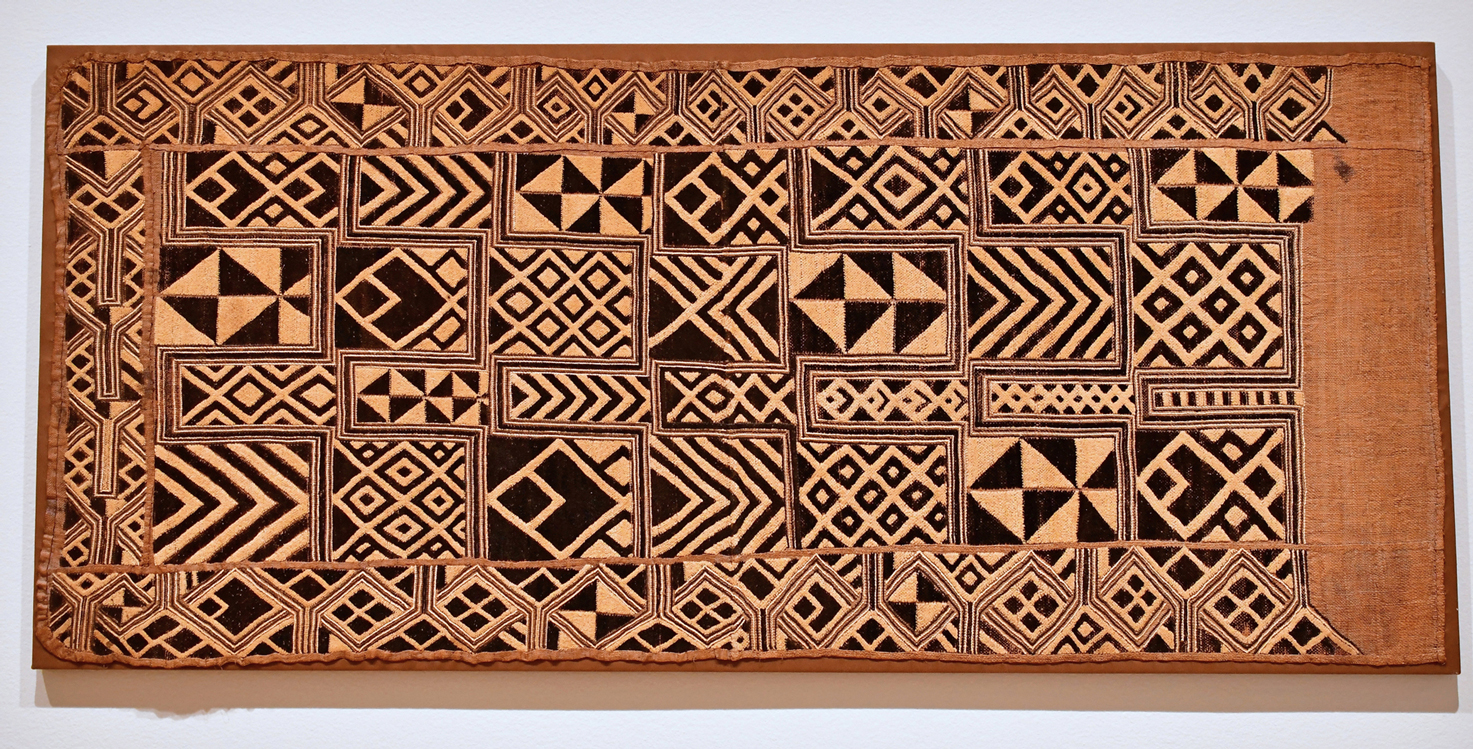
THE KUBA TEXTILES FROM THE DRC - The Ethnic Home

Kuba textiles are traditionally made from raffia palm fibers. The process begins with harvesting the fibers, which are then softened, dyed, and woven into cloth. The creation of Kuba textiles involves several intricate techniques, including weaving, embroidery, appliqué, and patchwork. Each piece is handcrafted, showcasing the skill and creativity of the artisans. The textiles are known for their geometric patterns and bold designs, which often include motifs inspired by nature, animals, and Kuba mythology. These patterns are not only decorative but also carry symbolic meanings.

There are several types of Kuba textiles. Kuba cloth is the most common form, characterized by its geometric patterns and rich textures, often used for clothing, ceremonial garments, and decorative purposes. Shoowa cloth is known for its plush texture and intricate embroidery, highly prized for its detailed designs and often used as prestige items. Kasai velvet refers to a type of Kuba textile that is particularly soft and velvety, achieved through a specific weaving technique, and is often used for special occasions and as a symbol of status.

Kuba textiles have gained international acclaim for their artistic and cultural value. They are collected by museums and art enthusiasts worldwide and have influenced contemporary fashion and design. While traditional methods are still used, some artisans have adapted Kuba textile techniques to create modern designs and products, such as home décor items and fashion accessories. Kuba textiles are a testament to the rich cultural heritage and artistic ingenuity of the Kuba people. They continue to be a source of pride and identity, reflecting the deep-rooted traditions and craftsmanship of the DRC. Whether appreciated for their aesthetic beauty or cultural significance, Kuba textiles remain an enduring symbol of African artistry.
Previous Post

6 Style Mistakes Men Make

Next Post

6 Fashion Choices That Will Instantly Age You

Comments