The oldest art institution in São Paulo adds a $16m wing for contemporary art
-
 Loading...
 - Olivia Lehtinen
- 01 Jun 2023
- 70 Views
- 0 Like
- 0 Comment
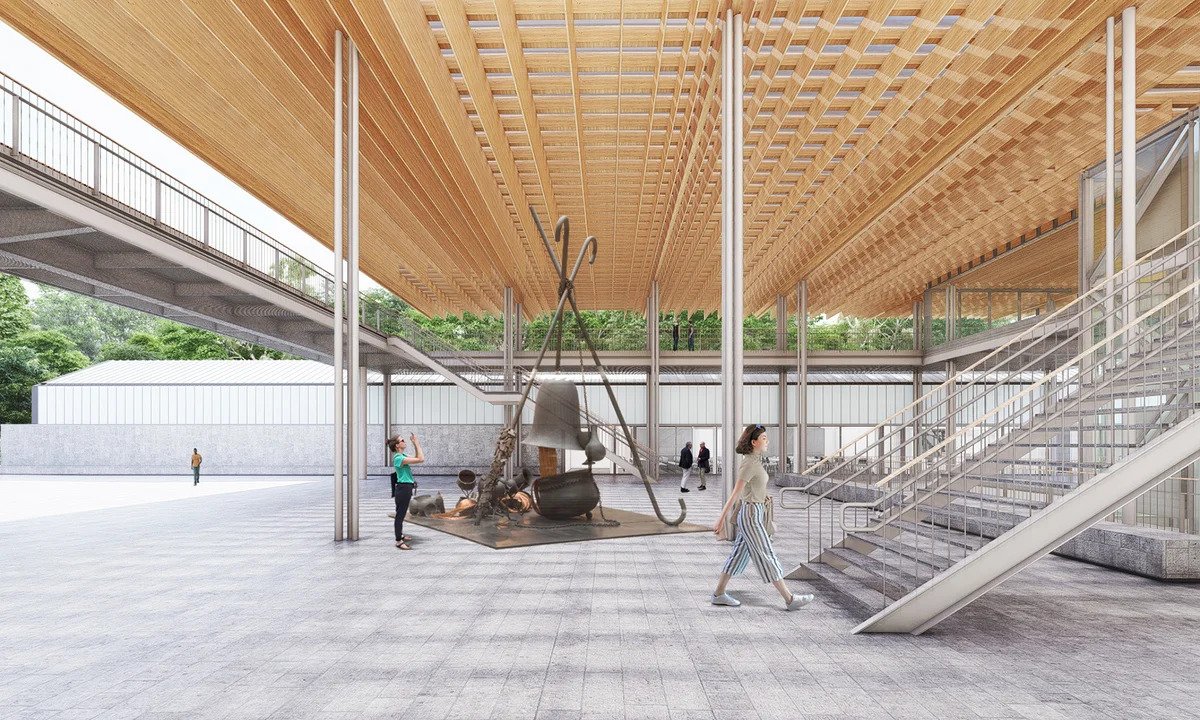
The Pinacoteca de São Paulo, the oldest art institution in São Paulo, is set to unveil a new contemporary wing called Pina Contemporânea on March 4th. This expansion aims to provide greater access to the museum's permanent collection and enhance its programming. Spanning over 20,000 square feet, it stands as one of the largest museums being inaugurated in Latin America.
According to Jochen Volz, the museum's general director and a German art historian, Pina Contemporânea represents more than just an extension of exhibition space. It also introduces innovative avenues for the public to engage with art and culture.
The architectural design of the new Pina Contemporânea building was a collaborative effort between Arquitetos Associados and Silvio Oksman. It has been awarded the Leadership in Energy and Environmental Design (LEED) Silver certification, thanks to eco-friendly features like solar panels and bicycle racks. The project's funding came from a combination of public and private sources, with the government contributing 55 million reais ($10.6 million) and the Gouvêa Telles family providing 30 million reais ($5.8 million).
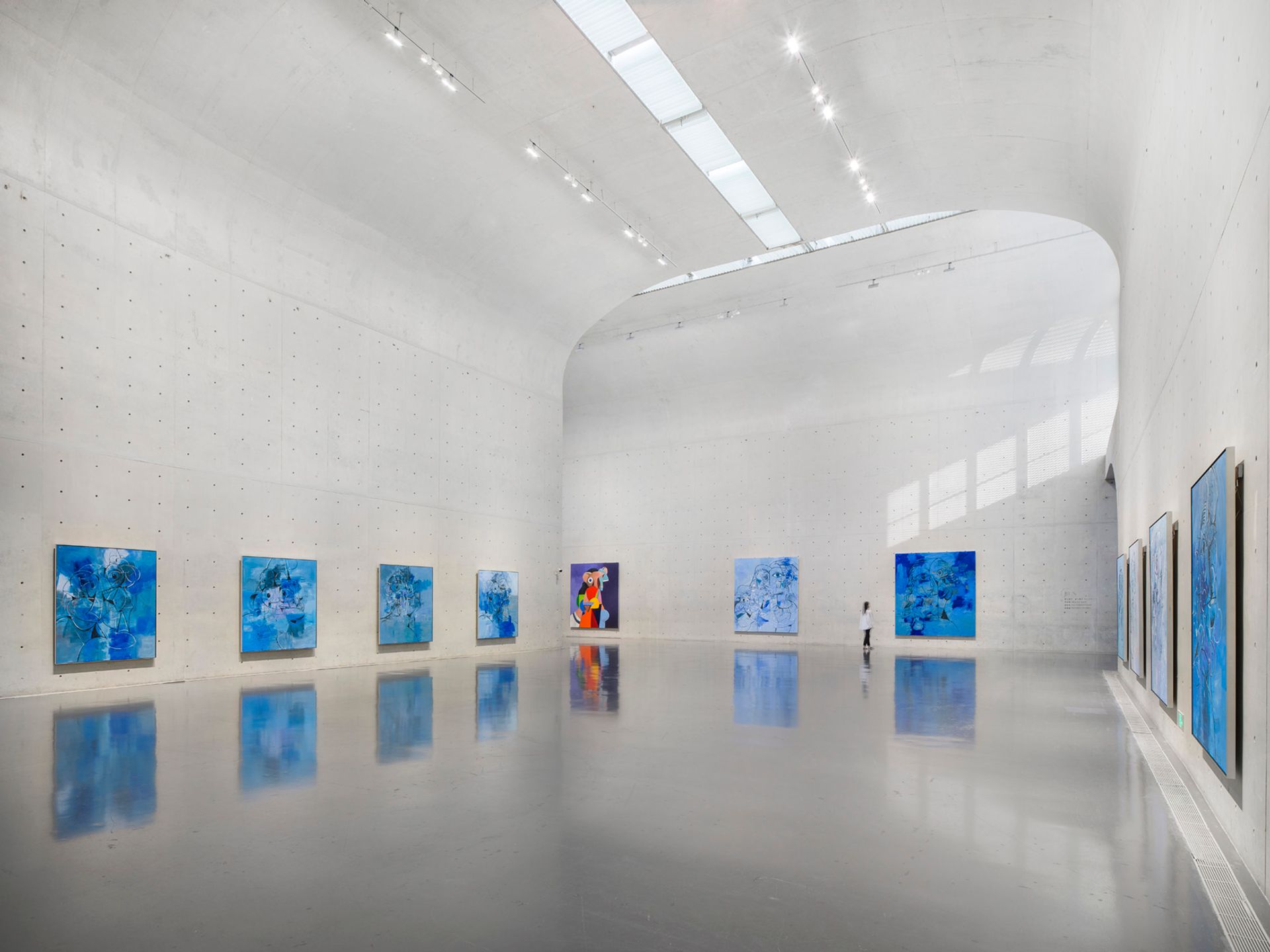
Similar to Pinacoteca's main space, Pina Luz, the new wing repurposes existing architectural elements. The sprawling grounds previously housed a high school, some sections of which were damaged in a fire. The remaining portions of the original building will now serve as the museum's administrative offices. Additionally, the external walls and recently rediscovered metal arches are being preserved. The new complex includes two primary exhibition galleries, a restaurant, a café, a research library, educational spaces, and an open-air atrium for monumental artworks and public performances. The inaugural piece showcased in this space will be "Tríade Trindade" (2001), a sculpture by the late Brazilian artist Tunga.
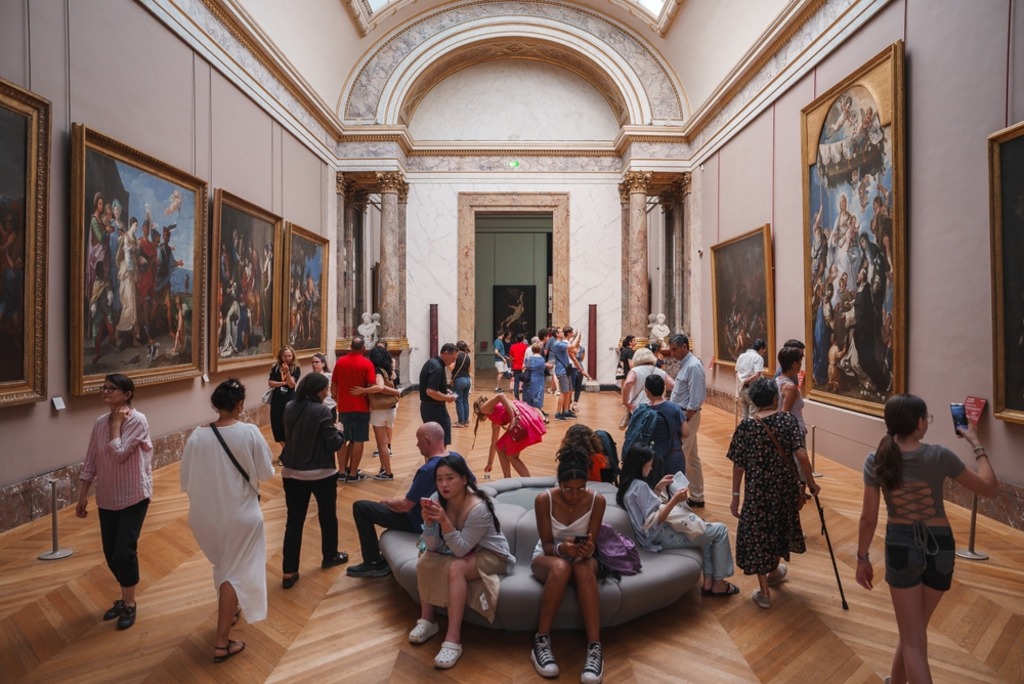
Established in 1905 by the state of São Paulo, Pinacoteca houses a collection of over 100,000 artworks dating back to the late 19th century. Noteworthy pieces include works by Brazilian Modernists such as Tarsila do Amaral and Cândido Portinari, as well as representatives from the Concrete and Neo-Concrete movements. Recently, the museum underwent a reorganization of its permanent galleries to better reflect the intricate dynamics of race and ethnicity in Brazilian society, addressing the historical underrepresentation of Black and Indigenous artists in its collection. Pina Contemporânea will kick off its inauguration with a solo exhibition by Korean artist Haegue Yang, accompanied by a permanent collection display curated by the museum's chief curator, Ana Maria Maia, and curator Yuri Quevedo.