Home Upload Photo Upload Videos Write a Blog Analytics Messaging Streaming Create Adverts Creators Program
Bebuzee Afghanistan Bebuzee Albania Bebuzee Algeria Bebuzee Andorra Bebuzee Angola Bebuzee Antigua and Barbuda Bebuzee Argentina Bebuzee Armenia Bebuzee Australia Bebuzee Austria Bebuzee Azerbaijan Bebuzee Bahamas Bebuzee Bahrain Bebuzee Bangladesh Bebuzee Barbados Bebuzee Belarus Bebuzee Belgium Bebuzee Belize Bebuzee Benin Bebuzee Bhutan Bebuzee Bolivia Bebuzee Bosnia and Herzegovina Bebuzee Botswana Bebuzee Brazil Bebuzee Brunei Bebuzee Bulgaria Bebuzee Burkina Faso Bebuzee Burundi Bebuzee Cabo Verde Bebuzee Cambodia Bebuzee Cameroon Bebuzee Canada Bebuzee Central African Republic Bebuzee Chad Bebuzee Chile Bebuzee China Bebuzee Colombia Bebuzee Comoros Bebuzee Costa Rica Bebuzee Côte d'Ivoire Bebuzee Croatia Bebuzee Cuba Bebuzee Cyprus Bebuzee Czech Republic Bebuzee Democratic Republic of the Congo Bebuzee Denmark Bebuzee Djibouti Bebuzee Dominica Bebuzee Dominican Republic Bebuzee Ecuador Bebuzee Egypt Bebuzee El Salvador Bebuzee Equatorial Guinea Bebuzee Eritrea Bebuzee Estonia Bebuzee Eswatini Bebuzee Ethiopia Bebuzee Fiji Bebuzee Finland Bebuzee France Bebuzee Gabon Bebuzee Gambia Bebuzee Georgia Bebuzee Germany Bebuzee Ghana Bebuzee Greece Bebuzee Grenada Bebuzee Guatemala Bebuzee Guinea Bebuzee Guinea-Bissau Bebuzee Guyana Bebuzee Haiti Bebuzee Honduras Bebuzee Hong Kong Bebuzee Hungary Bebuzee Iceland Bebuzee India Bebuzee Indonesia Bebuzee Iran Bebuzee Iraq Bebuzee Ireland Bebuzee Israel Bebuzee Italy Bebuzee Jamaica Bebuzee Japan Bebuzee Jordan Bebuzee Kazakhstan Bebuzee Kenya Bebuzee Kiribati Bebuzee Kuwait Bebuzee Kyrgyzstan Bebuzee Laos Bebuzee Latvia Bebuzee Lebanon Bebuzee Lesotho Bebuzee Liberia Bebuzee Libya Bebuzee Liechtenstein Bebuzee Lithuania Bebuzee Luxembourg Bebuzee Madagascar Bebuzee Malawi Bebuzee Malaysia Bebuzee Maldives Bebuzee Mali Bebuzee Malta Bebuzee Marshall Islands Bebuzee Mauritania Bebuzee Mauritius Bebuzee Mexico Bebuzee Micronesia Bebuzee Moldova Bebuzee Monaco Bebuzee Mongolia Bebuzee Montenegro Bebuzee Morocco Bebuzee Mozambique Bebuzee Myanmar Bebuzee Namibia Bebuzee Nauru Bebuzee Nepal Bebuzee Netherlands Bebuzee New Zealand Bebuzee Nicaragua Bebuzee Niger Bebuzee Nigeria Bebuzee North Korea Bebuzee North Macedonia Bebuzee Norway Bebuzee Oman Bebuzee Pakistan Bebuzee Palau Bebuzee Panama Bebuzee Papua New Guinea Bebuzee Paraguay Bebuzee Peru Bebuzee Philippines Bebuzee Poland Bebuzee Portugal Bebuzee Qatar Bebuzee Republic of the Congo Bebuzee Romania Bebuzee Russia Bebuzee Rwanda Bebuzee Saint Kitts and Nevis Bebuzee Saint Lucia Bebuzee Saint Vincent and the Grenadines Bebuzee Samoa Bebuzee San Marino Bebuzee São Tomé and Príncipe Bebuzee Saudi Arabia Bebuzee Senegal Bebuzee Serbia Bebuzee Seychelles Bebuzee Sierra Leone Bebuzee Singapore Bebuzee Slovakia Bebuzee Slovenia Bebuzee Solomon Islands Bebuzee Somalia Bebuzee South Africa Bebuzee South Korea Bebuzee South Sudan Bebuzee Spain Bebuzee Sri Lanka Bebuzee Sudan Bebuzee Suriname Bebuzee Sweden Bebuzee Switzerland Bebuzee Syria Bebuzee Taiwan Bebuzee Tajikistan Bebuzee Tanzania Bebuzee Thailand Bebuzee Timor-Leste Bebuzee Togo Bebuzee Tonga Bebuzee Trinidad and Tobago Bebuzee Tunisia Bebuzee Turkey Bebuzee Turkmenistan Bebuzee Tuvalu Bebuzee Uganda Bebuzee Ukraine Bebuzee United Arab Emirates Bebuzee United Kingdom Bebuzee Uruguay Bebuzee Uzbekistan Bebuzee Vanuatu Bebuzee Venezuela Bebuzee Vietnam Bebuzee World Wide Bebuzee Yemen Bebuzee Zambia Bebuzee Zimbabwe
Blog Image

The opportunity at home – can AI drive innovation in personal assistant devices and sign language?

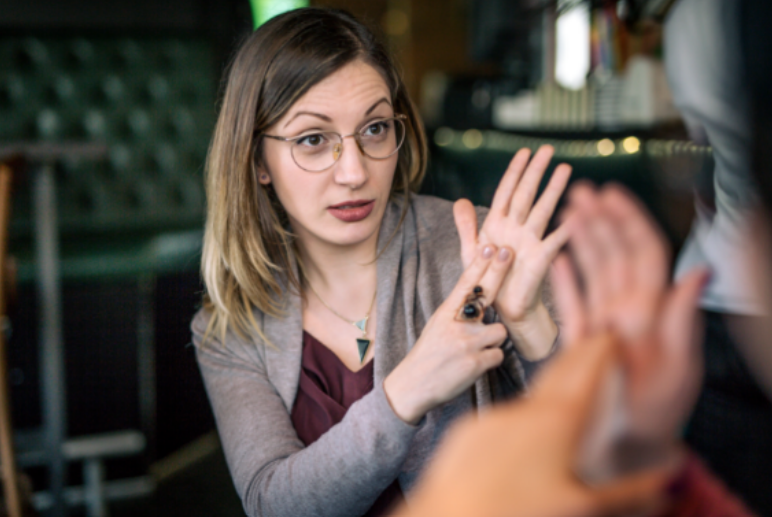
Advancing tech innovation and combating the data dessert that exists related to sign language have been areas of focus for the AI for Accessibility program. Towards those goals, in 2019 the team hosted a sign language workshop, soliciting applications from top researchers in the field. Abraham Glasser, a Ph.D. student in Computing and Information Sciences and a native American Sign Language (ASL) signer, supervised by Professor Matt Huenerfauth, was awarded a three-year grant. His work would focus on a very pragmatic need and opportunity: driving inclusion by concentrating on and improving common interactions with home-based smart assistants for people who use sign language as a primary form of communication.

Since then, faculty and students in the Golisano College of Computing and Information Sciences at Rochester Institute of Technology (RIT) conducted the work at the Center for Accessibility and Inclusion Research (CAIR). CAIR publishes research on computing accessibility and it includes many Deaf and Hard of Hearing (DHH) students operating bilingually in English and American Sign Language.

To begin this research, the team investigated how DHH users would optimally prefer to interact with their personal assistant devices, be it a smart speaker other type of devices in the household that respond to spoken command. Traditionally, these devices have used voice-based interaction, and as technology evolved, newer models now incorporate cameras and display screens. Currently, none of the available devices on the market understand commands in ASL or other sign languages, so introducing that capability is an important future tech development to address an untapped customer base and drive inclusion. Abraham explored simulated scenarios in which, through the camera on the device, the tech would be able to watch the signing of a user, process their request, and display the output result on the screen of the device. 

Some prior research had focused on the phases of interacting with a personal assistant device, but little included DHH users. Some examples of available research included studying device activation, including the concerns of waking up a device, as well as device output modalities in the form for videos, ASL avatars and English captions. The call to action from a research perspective included collecting more data, the key bottleneck, for sign language technologies. 

To pave the way forward for technological advancements it was critical to understand what DHH users would like the interaction with the devices to look like and what type of commands they would like to issue. Abraham and the team set up a Wizard-of-Oz videoconferencing setup. A “wizard” ASL interpreter had a home personal assistant device in the room with them, joining the call without being seen on camera. The device’s screen and output would be viewable in the call’s video window and each participant was guided by a research moderator. As the Deaf participants signed to the personal home device, they did not know that the ASL interpreter was voicing the commands in spoken English. A team of annotators watched the recording, identifying key segments of the videos, and transcribing each command into English and ASL gloss. Read More...
Previous Post

Croatia has highly developed digital skills among young people aged 16 to 29

Next Post

How AI makes developers' lives easier, and helps everybody learn to develop software

Comments
