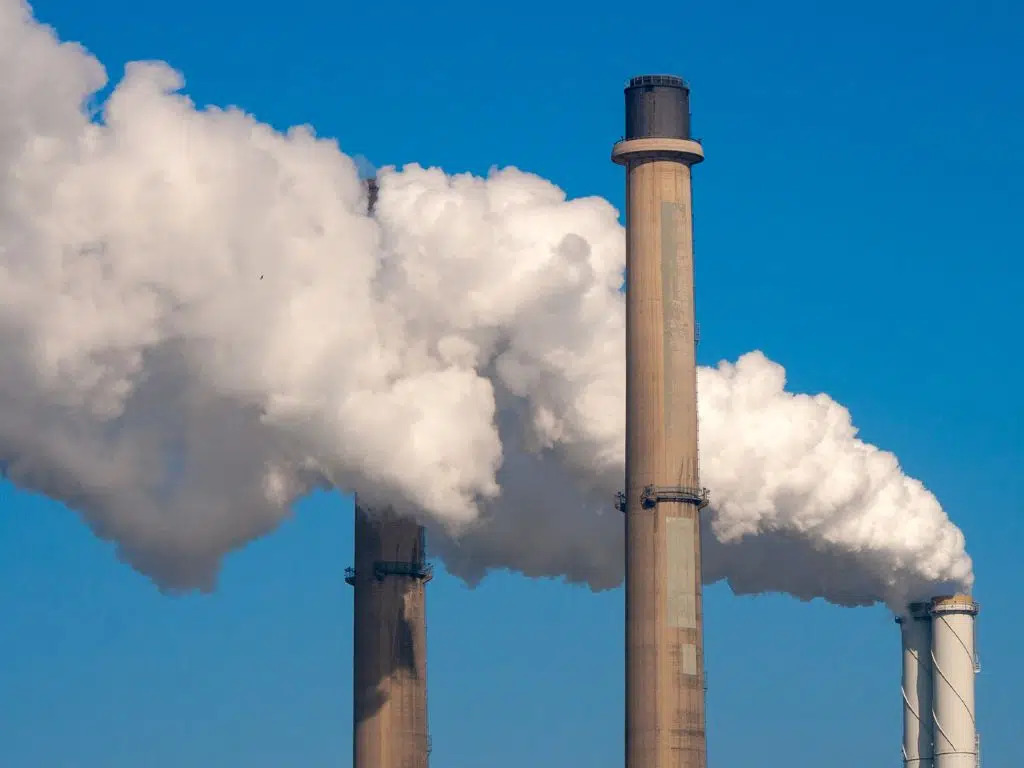
The Pros and Cons of Offsetting Carbon Emissions
-
 Loading...
 - Aria Anderson
- 09 Mar 2023
- 59 Views
- 0 Like
- 0 Comment
In September, one of the biggest low-cost carriers in Europe announced that it would stop offsetting carbon emissions from its aircrafts. While you probably hear a lot about commitments made by governments and corporations to reduce greenhouse gas emissions to “net-zero” in an effort to halt climate change, many businesses assert that doing things the conventional way is not economically viable; this is where the idea of carbon offsets comes into play.
—
What Are Carbon Offsets?
In a nutshell, offsetting carbon emissions means supporting projects that reduce or store emissions. In theory, that means any carbon dioxide emissions from businesses, governments, or people could be balanced our through investments in alternative methods that remove the same quantity of greenhouse gas from the atmosphere that was generated in the first place.
Many accredited carbon offsetting programmes include:
1. Preventing deforestation
2. Reforestation, such as the planting of new trees
3. Improving and maintaining forestry management
4. Invest in renewable energy sources, such as solar and wind energy
5. Methane or landfill gas capture

Cement producers, home heating suppliers, corporate giants like Google and Amazon, as well as the ride-hailing company Lyft all claim to be decreasing their carbon footprint through carbon offsets. Read More…


