The Risks Associated with Cryptocurrency Investment
-
 Loading...
 - alex allie
- 09 Jun 2023
- 61 Views
- 0 Like
- 0 Comment
Cryptocurrency investment has gained significant popularity in recent years, attracting investors from all walks of life. With the meteoric rise of Bitcoin and the emergence of numerous altcoins, many individuals are enticed by the potential for substantial returns. However, it is essential to understand that investing in cryptocurrencies comes with inherent risks that need to be carefully considered. In this article, we will delve into the various risks associated with cryptocurrency investment, providing you with valuable insights and guidance to navigate this volatile landscape effectively.
Risks Associated with Cryptocurrency Investment are:
- Market Volatility: How does it impact investments?
- Regulatory Uncertainty: What challenges does it pose?
- Cybersecurity Threats: How vulnerable are cryptocurrencies?
- Lack of Regulation: Is it a double-edged sword?
- Operational Risks: What can go wrong with exchanges?
- Financial Loss: How risky is the potential for loss?
Market Volatility: How does it impact investments?
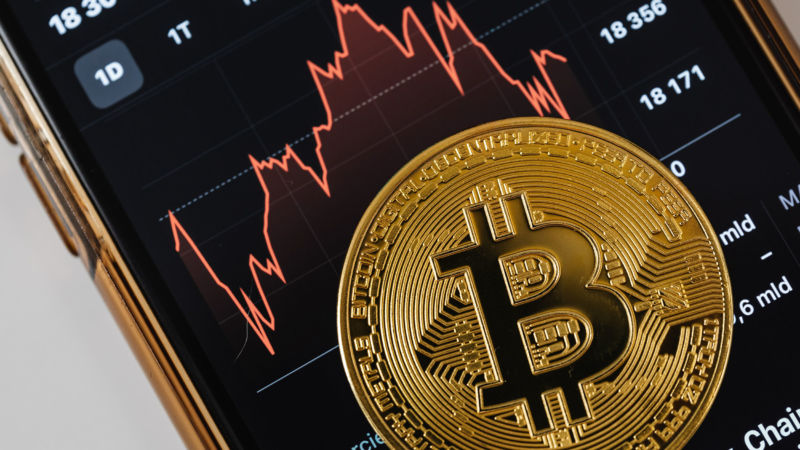
Cryptocurrencies are notorious for their high levels of volatility. Prices can skyrocket or plummet within a matter of hours, creating substantial opportunities for profit, but also exposing investors to significant losses. This volatility stems from various factors, including market speculation, news events, and changes in investor sentiment. For instance, a single tweet from a prominent figure can send shockwaves through the cryptocurrency market, causing wild price swings. As an investor, it is crucial to be prepared for these fluctuations and carefully assess your risk tolerance before entering the market.
Pro Tip: Diversifying your investment portfolio and allocating only a portion of your funds to cryptocurrencies can help mitigate the impact of market volatility.
Regulatory Uncertainty: What challenges does it pose?
Cryptocurrencies operate in a decentralized and borderless ecosystem, which poses unique challenges in terms of regulation. Governments and regulatory bodies worldwide are still grappling with how to effectively oversee and govern these digital assets. The lack of clear regulations and guidelines introduces uncertainty into the market, making it susceptible to sudden regulatory changes. Instances of governments banning or imposing restrictions on cryptocurrencies can have a profound impact on their value and investor sentiment. Staying informed about the regulatory landscape in your jurisdiction is crucial to managing the associated risks effectively.
Cybersecurity Threats: How vulnerable are cryptocurrencies?
Cryptocurrencies are built on advanced cryptographic technologies that ensure security and immutability. However, they are not impervious to cybersecurity threats. Hacking incidents, phishing attacks, and exchange breaches have exposed vulnerabilities within the cryptocurrency ecosystem. These threats can lead to the loss of funds, compromised personal information, and a tarnished reputation for the affected platforms. Therefore, it is essential to adopt robust security measures, such as using hardware wallets, enabling two-factor authentication, and conducting due diligence before entrusting your funds to any exchange.
Lack of Regulation: Is it a double-edged sword?
While the absence of stringent regulations provides the freedom and accessibility that cryptocurrencies are known for, it also amplifies the associated risks. Without proper oversight, fraudulent activities and scams can flourish, jeopardizing investors' funds and trust in the market. Initial Coin Offerings (ICOs), for example, attracted significant attention during the crypto boom, but also became a breeding ground for fraudulent projects. As an investor, it is crucial to conduct thorough research, scrutinize projects, and verify the legitimacy of the teams and their offerings before investing your hard-earned money.
Operational Risks: What can go wrong with exchanges?
Cryptocurrency exchanges serve as the primary gateway for investors to buy, sell, and trade digital assets. However, they are not immune to technical glitches, operational failures, and even fraudulent activities. Exchange hacks and shutdowns have been witnessed in the past, leading to substantial financial losses for users. It is vital to choose reputable exchanges with a proven track record of security and reliability. Additionally, storing your funds in a personal wallet instead of keeping them on an exchange can offer an added layer of protection against potential exchange-related risks.
Financial Loss: How risky is the potential for loss?
Investing in cryptocurrencies involves the risk of financial loss. The highly speculative nature of the market means that prices can experience significant downturns, wiping out a substantial portion of an investor's portfolio. Moreover, factors such as project failures, regulatory actions, and macroeconomic events can lead to prolonged bear markets, where prices stagnate or decline for extended periods. It is crucial to be mentally and financially prepared for the possibility of losses, only investing what you can afford to lose.
FAQs
Q1: Is cryptocurrency investment suitable for everyone?
A1: Cryptocurrency investment is not suitable for everyone. It carries substantial risks and requires a high level of understanding, risk tolerance, and diligence.
Q2: Are there any guaranteed returns in cryptocurrency investment?
A2: No, there are no guaranteed returns in cryptocurrency investment. The market is highly volatile, and returns are subject to market conditions and individual investment strategies.
Q3: Can I recover my funds in case of a hack or theft?
A3: The recovery of funds in case of a hack or theft depends on the circumstances and the security measures in place. It is advisable to consult legal experts and report such incidents to the relevant authorities.
Q4: Should I invest in cryptocurrencies solely based on price predictions?
A4: Price predictions should not be the sole basis for investment decisions. It is important to conduct thorough research, evaluate the project's fundamentals, and assess its long-term viability before investing.
Q5: Can I minimize the risks associated with cryptocurrency investment?
A5: While risks cannot be completely eliminated, they can be mitigated by diversifying your investment portfolio, staying informed about market trends, and adopting robust security measures.
Q6: How can I stay updated with the latest cryptocurrency news and developments?
A6: Keeping track of reputable cryptocurrency news sources, following industry experts on social media, and joining relevant online communities can help you stay updated with the latest news and developments.
Investing in cryptocurrencies can be an exciting venture with the potential for substantial returns. However, it is crucial to approach this market with caution and an awareness of the risks involved. Market volatility, regulatory uncertainty, cybersecurity threats, lack of regulation, operational risks, and the potential for financial loss are all factors that should be carefully considered. By understanding these risks and adopting proper risk management strategies, investors can navigate the cryptocurrency landscape more effectively. Remember, knowledge and due diligence are key to making informed investment decisions and safeguarding your financial future.