The Secret to Denmark's Happy Work-Life Balance
-
 Loading...
 - Antonio Cruz
- 17 Feb 2025
- 31 Views
- 0 Like
- 0 Comment
Denmark consistently ranks among the happiest countries in the world, and a significant factor contributing to this happiness is the country's exceptional work-life balance. Several key elements contribute to this balance, creating an environment where individuals can thrive both professionally and personally.
1. Flexible Work Arrangements
Danish workplaces often prioritize flexibility, allowing employees to tailor their work schedules to fit their personal lives. Many companies offer options for remote work, flexible hours, and part-time positions. This flexibility enables individuals to manage their responsibilities more effectively, reducing stress and enhancing overall well-being.
2. Generous Parental Leave Policies
Denmark boasts some of the most generous parental leave policies in the world. Parents are entitled to a total of 52 weeks of leave, which can be shared between both parents. This policy not only supports families during a crucial time but also encourages a more equitable distribution of childcare responsibilities, allowing both parents to maintain a connection to their careers.
3. Strong Labor Rights and Protections
Danish labor laws are designed to protect workers' rights, ensuring fair wages, reasonable working hours, and safe working conditions. The concept of "hygge," which emphasizes comfort and well-being, extends into the workplace, fostering a culture where employees feel valued and respected.
4. Emphasis on Work Satisfaction
In Denmark, job satisfaction is highly valued. Employers often focus on creating a positive work environment that promotes collaboration, creativity, and employee engagement. Regular feedback, opportunities for professional development, and a supportive atmosphere contribute to a sense of fulfillment at work.
5. Cultural Attitudes Toward Work
Danish culture places a strong emphasis on the importance of leisure and personal time. There is a widespread belief that a well-rounded life includes time for family, hobbies, and relaxation. This cultural attitude encourages individuals to prioritize their personal lives alongside their professional commitments.
6. Access to Nature and Outdoor Activities
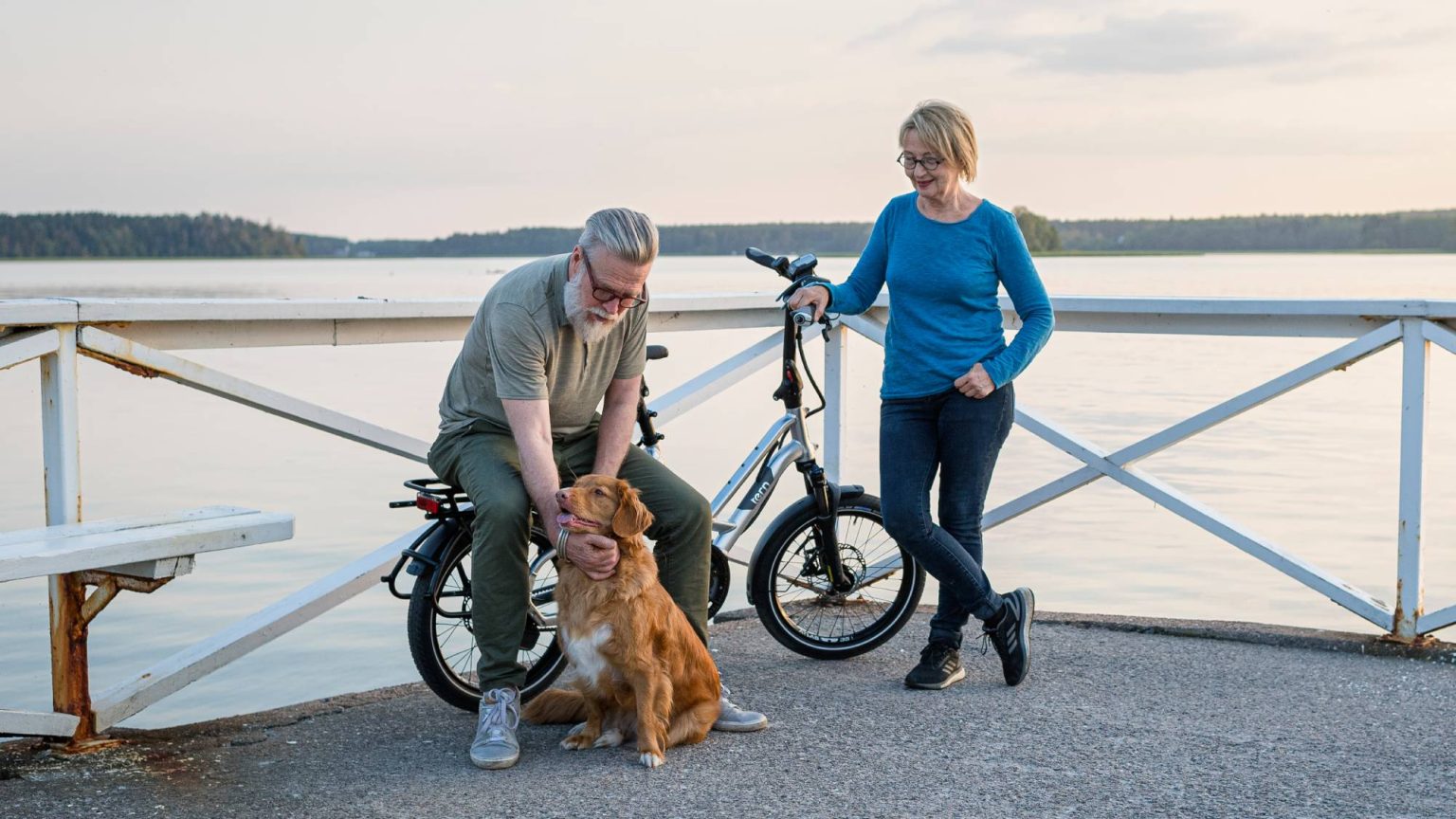
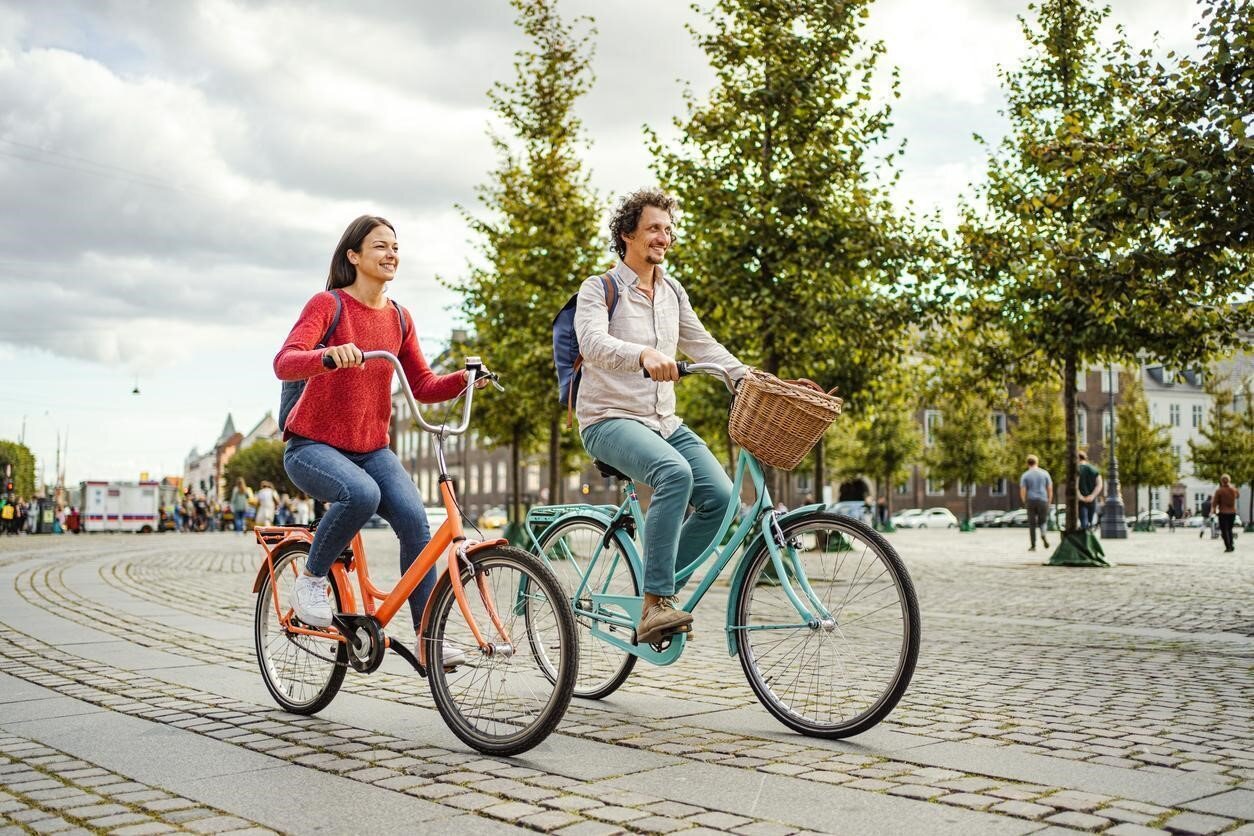
Denmark's commitment to green spaces and outdoor activities plays a significant role in promoting a healthy work-life balance. With easy access to parks, beaches, and recreational areas, Danes are encouraged to spend time outdoors, which has been shown to improve mental health and overall happiness.
7. Social Support Systems
The Danish welfare state provides a robust safety net for its citizens, including healthcare, education, and social services. This support reduces anxiety related to job security and financial stability, allowing individuals to focus on their personal lives and well-being.
Denmark's happy work-life balance is the result of a combination of flexible work arrangements, generous parental leave, strong labor protections, and a cultural emphasis on well-being. By prioritizing both professional fulfillment and personal happiness, Denmark has created an environment where individuals can thrive in all aspects of their lives. This holistic approach serves as a model for other countries seeking to improve their own work-life balance and overall happiness.