The state of ethnic democracy in Malaysia
-
 Loading...
 - Banyu Saputra
- 08 Feb 2023
- 68 Views
- 0 Like
- 0 Comment
As the PH coalition rises to power for the second time, observers are asking the following questions — is transformative politics in the offing in Malaysia, can the new coalition usher in democratic reforms and will ethnic democracy wither away in the deeply polarised country?
Malaysia held its 15th general election (GE) in November 2022 to put an end to the volatile political situation in the region — the fallout of two ruling coalitions in quick succession. Given the tectonic political landscape of Malaysia, the election delivered, unsurprisingly, the first hung Parliament of the country as none of the existing political coalitions secured a simple majority of 112 seats out of a total 222 seats in the Dewan Rakyat (lower house of Malaysian Parliament).
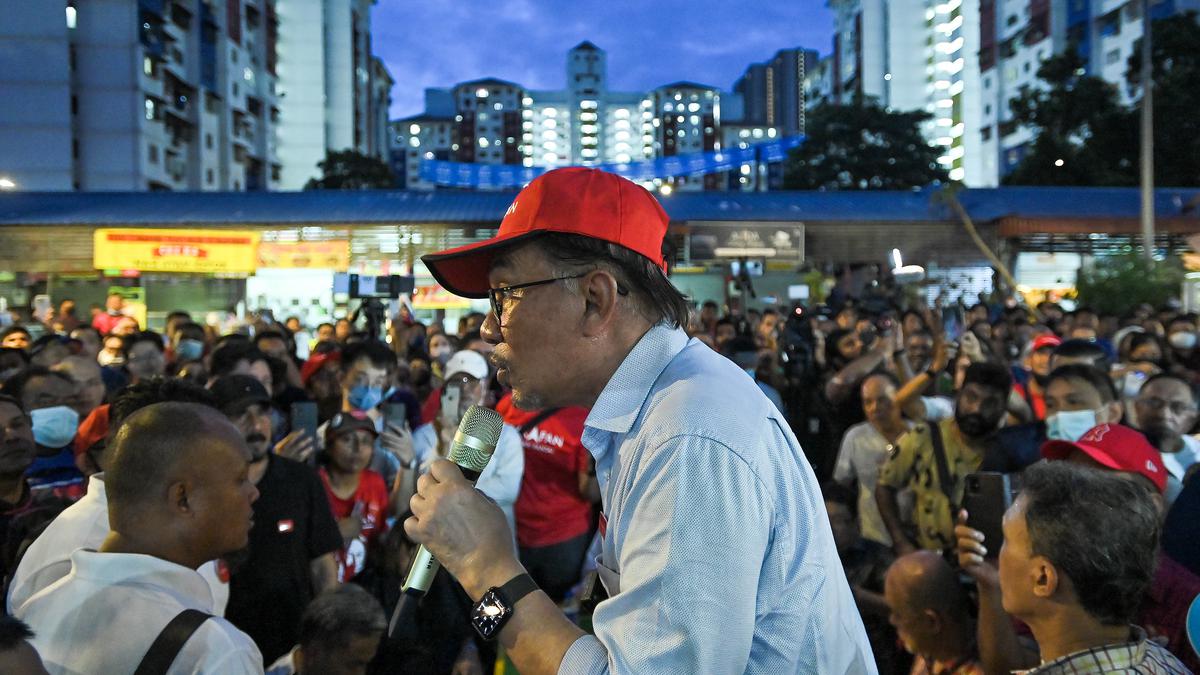
The unity government led by Pakatan Harapan (PH),(The Alliance of Hope) under the premiership of Mr. Anwar Ibrahim formed the government even though it fell short of a majority with its 82 seats. It could do so as it was backed by the former long-ruling coalition Barisan Nasional (BN) (National Front) led by the United Malays National Organisation (UMNO) and regional parties like Gabungan Rakyat Sabah (GRS) and Gabungan Parti Sarawak (GPS) from the two states of Sabah and Sarawak of East Malaysia. The PH coalition is in power for the second time after its stint in 2018, and it advocates for a multi-cultural, inclusive, democratic, and modern Malaysia. As the PH coalition rises to power, Malaysian observers are asking the following questions — is transformative politics in the offing, can the PH coalition usher in democratic reforms and will ethnic democracy wither away in Malaysia?
Malaysia’s melting pot
Malaysia is a multi-ethnic, multi-racial, and multicultural country, comprising of an ethnic Malay majority, a plethora of indigenous communities, and ethnic minorities like the Chinese and the Indians. Malaysia adopted a consociational (a political system formed by the cooperation of different social groups on the basis of shared power) democracy, at the time of independence in 1957, as a viable governance model to manage its ethnic heterogeneous population effectively. Read More…