The Ultimate Guide to Testing Hydrogen Sulfide Levels in the Air

Hydrogen sulfide is highly toxic and can be lethal at high concentrations. Even at low levels, prolonged exposure may lead to headaches, respiratory problems, and eye irritation. Testing for H₂S is crucial in:
Hydrogen sulfide (H₂S) is a colorless gas with a distinct odor resembling rotten eggs. While its natural sources include volcanic emissions and decaying organic matter, it is also a byproduct of industrial processes like oil refining, sewage treatment, and gas production. Exposure to hydrogen sulfide can pose significant health risks, making accurate and reliable testing essential. In this ultimate guide, we will walk you through everything you need to know about conducting a hydrogen sulphide test to ensure safety and compliance.
Why Is Hydrogen Sulfide Testing Important?
Hydrogen sulfide is highly toxic and can be lethal at high concentrations. Even at low levels, prolonged exposure may lead to headaches, respiratory problems, and eye irritation. Testing for H₂S is crucial in:
- Workplace Safety: Industries such as oil and gas, wastewater treatment, and mining often encounter H₂S. Regular testing ensures workers are not exposed to dangerous levels.
- Environmental Monitoring: Detecting H₂S in the air helps mitigate its impact on ecosystems and communities.
- Compliance with Regulations: Agencies like OSHA and EPA mandate hydrogen sulphide tests to ensure adherence to safety and environmental standards.
Methods for Testing Hydrogen Sulfide Levels in the Air
There are several reliable methods to conduct a hydrogen sulphide test. Each has its advantages, depending on the application and level of accuracy required.
1. Portable Gas Detectors
Portable gas detectors are handheld devices equipped with sensors that provide real-time H₂S level readings. These devices are:
- User-Friendly: Easy to operate with minimal training.
- Instantaneous: Provide immediate alerts if levels exceed the safety threshold.
- Ideal For: Field inspections, confined spaces, and on-the-go monitoring.
2. Colorimetric Gas Detection Tubes
These tubes change color when exposed to hydrogen sulfide, allowing users to estimate its
concentration visually. Key features include:
- Cost-Effectiveness: Affordable and suitable for periodic testing.
- No Power Requirements: Operate without batteries or electricity.
- Ideal For: Low-tech environments or emergency use.
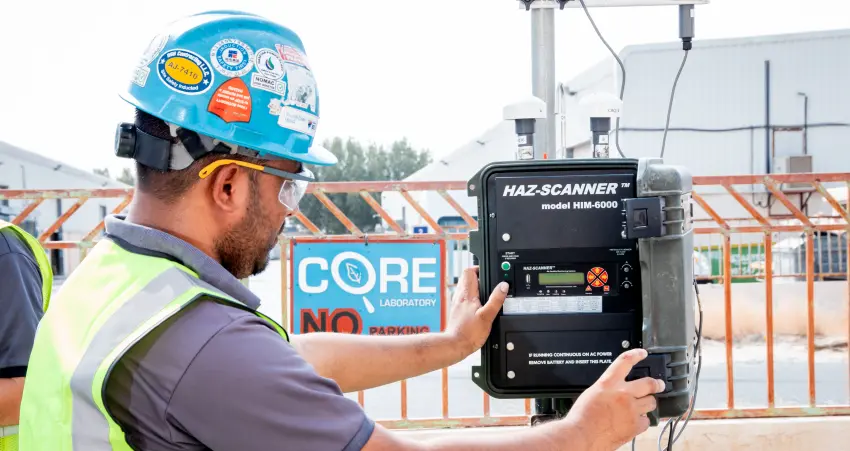
3. Fixed Gas Monitoring Systems
Fixed systems are installed in industrial facilities to continuously monitor air quality. They offer:
- 24/7 Monitoring: Provide constant surveillance of H₂S levels.
- Integration: Often linked to alarm systems and ventilation controls.
- Ideal For: High-risk areas like chemical plants and wastewater treatment facilities.
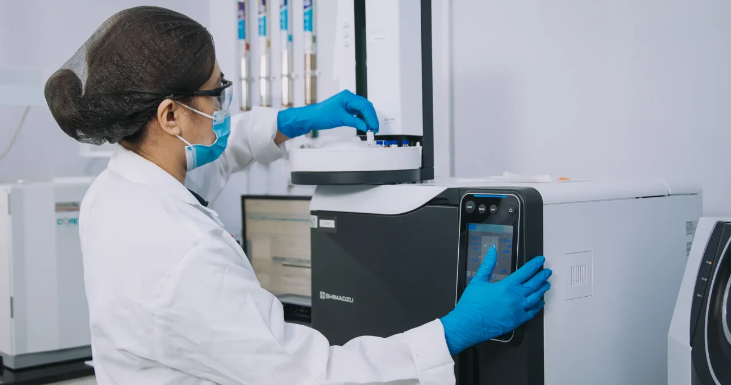
4. Air Sampling and Laboratory Analysis
This method involves collecting air samples and sending them to a lab for detailed analysis. It provides:
- High Accuracy: Ideal for measuring trace amounts of H₂S.
- Comprehensive Results: Identifies other potential contaminants.
- Ideal For: Regulatory compliance and scientific studies.
Steps to Conduct a Hydrogen Sulphide Test
Follow these steps to perform a hydrogen sulphide test effectively:
- Identify Testing Zones: Pinpoint areas where H₂S may be present, such as near equipment, storage tanks, or confined spaces.
- Select the Right Method: Choose a testing method based on the accuracy needed and
environmental conditions. - Calibrate Equipment: Ensure devices like gas detectors are calibrated according to the
manufacturer’s specifications. - Perform the Test: Conduct the test following safety protocols and instructions for the chosen method.
- Analyze Results: Compare findings with permissible exposure limits (PEL) to determine if
corrective actions are required.
Best Practices for Hydrogen Sulfide Testing
- Regular Testing: Schedule routine hydrogen sulphide tests to maintain safety and compliance.
- Use Personal Protective Equipment (PPE): Wear appropriate PPE to minimize exposure during testing.
- Document Results: Keep detailed records of test results for future reference and regulatory audits.
- Train Employees: Ensure workers understand how to use testing equipment and respond to elevated H₂S levels.
Conclusion
Conducting a hydrogen sulphide test is essential for ensuring air quality and protecting health in both industrial and residential settings. By understanding the available testing methods and following best practices, you can effectively monitor H₂S levels and take timely action to mitigate risks. Prioritizing safety through regular testing not only safeguards lives but also ensures compliance with environmental and workplace standards.
Stay proactive—a well-executed hydrogen sulphide test can make all the difference.
Blog source: https://corelab.org/the-ultimate-guide-to-testing-hydrogen-sulfide-levels-in-the-air/