The value of nature
-
 Loading...
 - Kisi Boadu
- 25 Aug 2022
- 80 Views
- 0 Like
- 0 Comment
There has been an awakening in our relationship with the natural world. The disruptions wrought by an increase in heat waves, storms, floods, droughts, fires, and the COVID-19 pandemic are stark reminders that our lives are deeply entangled with that of the Earth’s ecosystems.
The pandemic has highlighted how human health and environmental integrity are intertwined. Viruses such as COVID-19 emerge and escalate through the complex interplay between ecosystem destruction and disturbance, the sale of live wild animals and bushmeat, the international trafficking of wild animals and their body parts, agricultural intensification and poor husbandry.
These are fuelled by population growth and rapid and uncontrolled urbanisation; while high levels of international trade and travel facilitate their spread. The links to the interwoven challenges of biodiversity loss and climate change are clear.
Recognising that the causes of disasters are complex identifies immediate remedial actions that might otherwise be overlooked. Focusing only on the role of climate, for example, means that other factors that reduce vulnerability and increase resilience are ignored. Habitat clearance, intensive land use and development in watersheds, for example, increase the vulnerability to flooding downstream from extreme weather events, as water is no longer retained in vegetation and soil.
It also prevents money being spent on the wrong things that can make the situation worse.
Lake Chad
The shrivelling of Lake Chad since the 1970s provides a clear illustration of the problem. It has devastated the livelihoods of local fishers, farmers and herders, which in turn has contributed to a collapse of law and order, and vulnerability to radicalisation; with more than two million people leaving the area, many of them to Europe.
While this is often attributed to climate change – and droughts were an initial cause – the decline has continued despite a recovery in rainfall, due to the waters of the incoming rivers being diverted by government agencies to irrigate often inefficient rice farms. Some have been pushing to replenish the lake by diverting water from the Congo river 2,400 kilometres away, by building a canal that would, absurdly, run past the irrigation projects causing the problem.
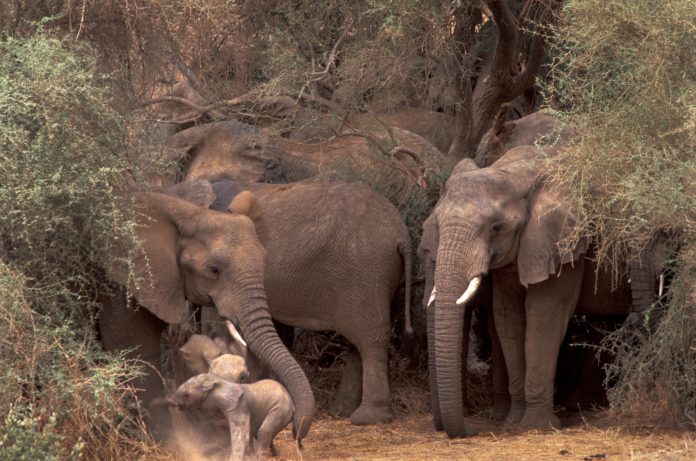
Similarly, in the drylands of Mali’s elephant range, elephants have been displaced from their refuges by the armed conflict, into more populated areas. Here they come into conflict with people not used to their presence, particularly around water. The conventional “simplistic” response is to construct new wells to alleviate the conflict, but this attracts more people and their livestock to the area, increasing the impact on fragile dryland ecosystems.
It also disrupts relationships between local social groupings, sowing discord, jealousy, and inspiring neighbouring communities to seek additional waterpoints of their own. All of these create more conflict between people and between people and elephants.
The Mali Elephant Project
The Mali Elephant Project’s response is to understand local problems in their wider ecological and social context, facilitating collective action for better land and water management. This makes space for both elephants and humans, while also preventing over-exploitation and environmental degradation (as explained in previous articles).
Research is increasingly demonstrating the value of diverse, intact ecosystems and their ability to deliver multiple benefits to “wicked problems.” The previous article in this series, for example, spoke of the emerging knowledge surrounding the role of large wild animals in climate change mitigation and adaptation and how restoring the diversity and abundance of large wildlife has a critical role to play.
Our reliance on healthy and resilient ecosystems should be no surprise since it was nature that provided the context out of which humans evolved. Beyond the tangible services it provides to us, nature has cultural value supporting the identity and meaning that are part of physical, mental, emotional and spiritual health and well-being. Beyond the value to humans, nature has an intrinsic right to exist; and we have an ethical responsibility to respect and protect that right and ensure its integrity for future generations. Yet the destruction of the natural world continues apace driven by a combination of a globalised economic system that is blind to these values; short-sighted political decisions and the weakness of institutions charged with nature protection.
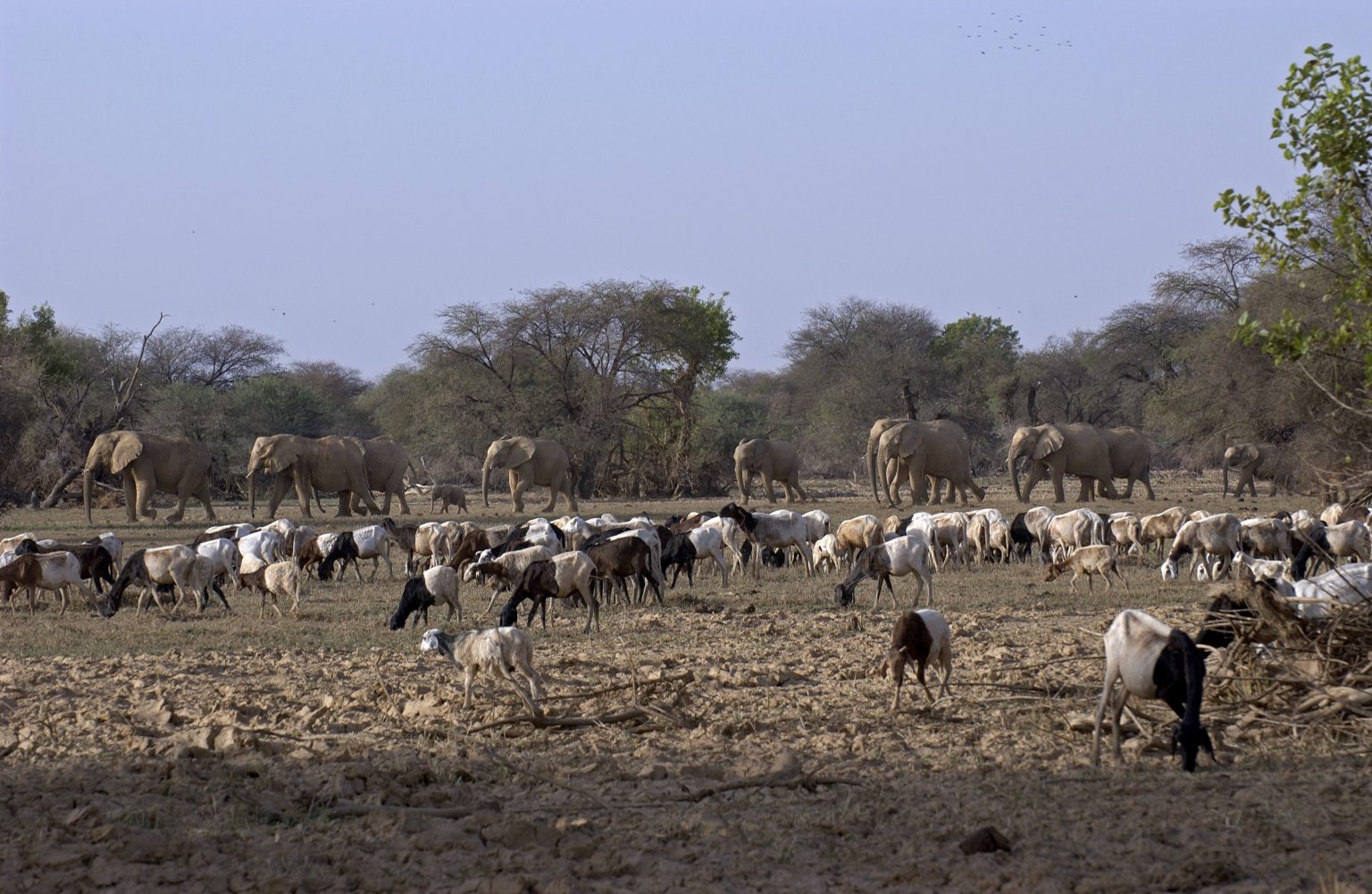
Over the past 20 years, there has been an increasing recognition of the critical role played by indigenous and traditional peoples in delivering conservation through local ethics, values, norms and resource management systems.
A growing body of research shows that indigenous people and local communities are the best guardians of their land. Recognising their rights to land, equitably sharing the benefit that accrues, and creating collaborative partnerships are essential to meeting local and global conservation goals. Read More...