The women who took on a government - and could hold the balance of power
-
 Loading...
 - Ella Murph
- 25 May 2022
- 301 Views
- 0 Like
- 0 Comment
Australia has elected a female-strong “community crossbench” to the federal parliament with a focus on climate, integrity and equality.
The latest Australian Electoral Commission figures have independents winning eight seats and leading in two others in 151 seats in the House of Representatives.
Labor is sitting on 75 seats - one short of a majority - which would require the support of crossbenchers to govern.
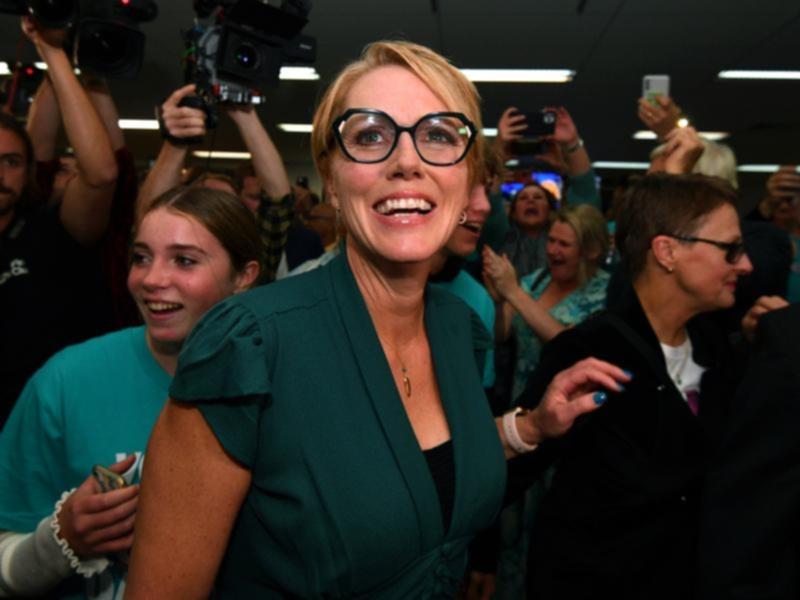
Former ABC journalist Zoe Daniel is set to hold the Victorian seat of Goldstein, having unseated Liberal frontbencher Tim Wilson at Saturday’s election.
Daniel said former MP Cathy McGowan had sparked the movement which led to a wave of independents picking up seats.
She said one of the failings of the major parties, reflected in the low primary vote secured by Labor and the Liberals, was their communication and collaboration.
“What Australia has elected on the crossbench this time around is a community crossbench, a group of people who seek to genuinely engage with and represent their communities,” Daniel told the ABC.
Monique Ryan is likely to seize the seat of Kooyong from outgoing Treasurer Josh Frydenberg, but he has yet to concede with thousands of postal votes still to be counted.
Dr Ryan said she would guarantee confidence and supply to the incoming Labor government only if she was offered security on action on climate change and an integrity commission within a set period of time.
She described the swing to her in Kooyong as a victory for a community unhappy at, and disaffected by, the outgoing coalition government.
This included its perceived lack of action on climate change, gender equity and integrity and transparency in government.
“This is a government that has moved too far to the right,” Dr Ryan told Sky News.
“It has been dragged to the right by the Nationals, it has gone in that direction and it is no longer representing the small ‘l’ Liberal heartland.”
Frydenberg said the coalition needed to communicate its climate policy better, but noted the country had not been well served by people seeing the issue through the prism of “belief or non-belief” in climate change.
“It is not a religion - it needs to be seen through the prism of engineering, economics and environmental science,” he told ABC radio. Read More...