These sizzling noodles are currently in high demand

If you ask your Thai acquaintances about the trendiest dish in Thailand at the moment, they are likely to mention "phad ngor ngae."
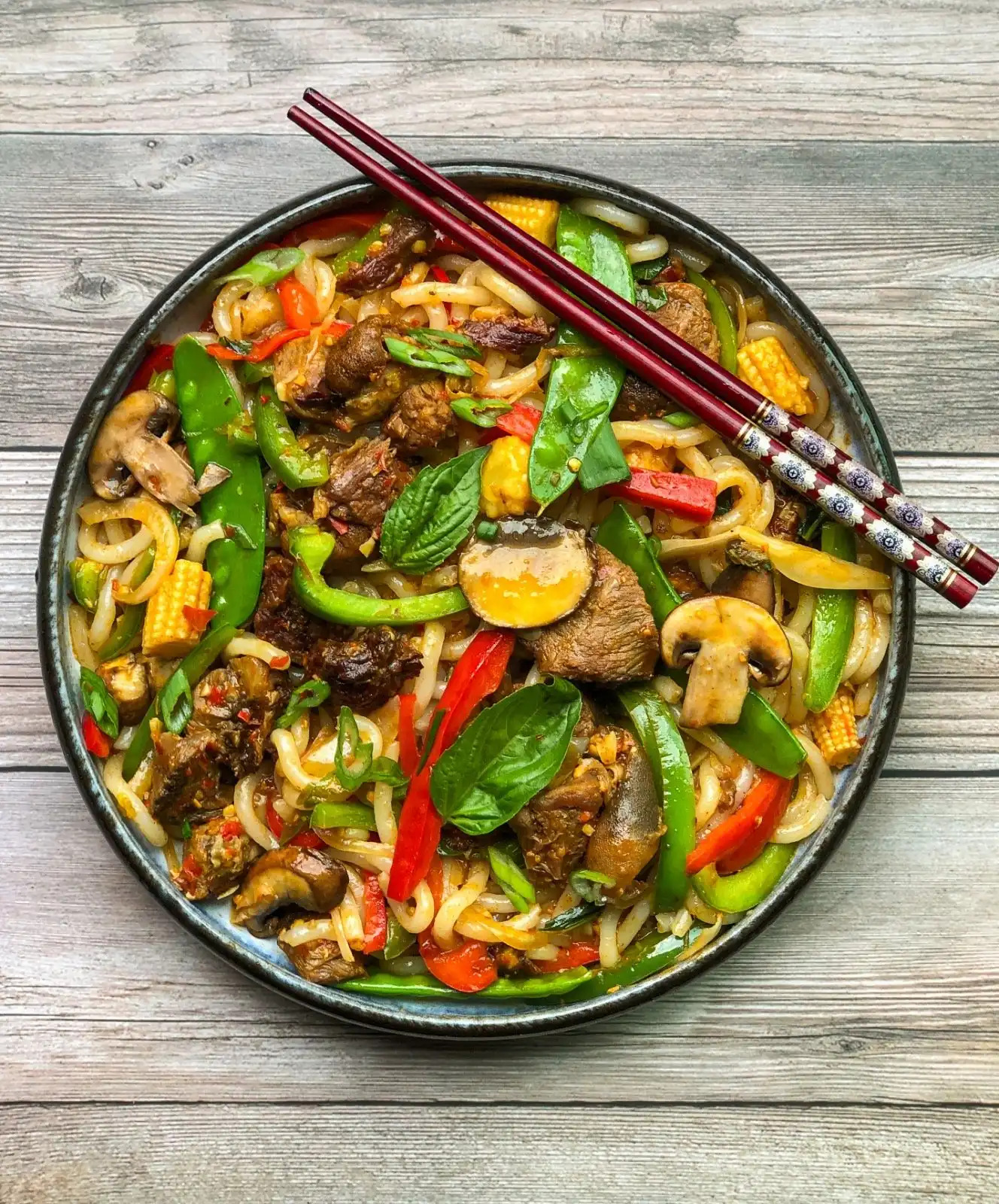
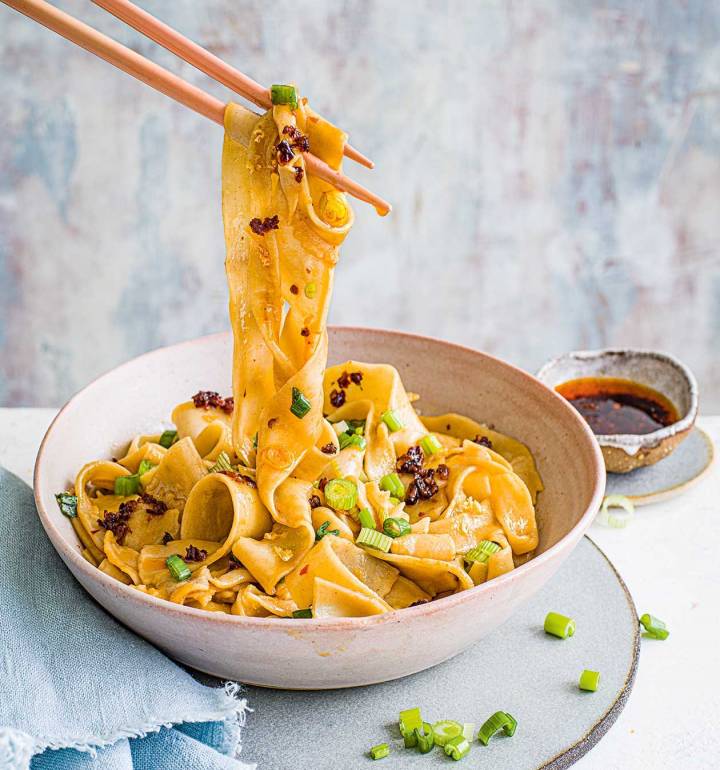
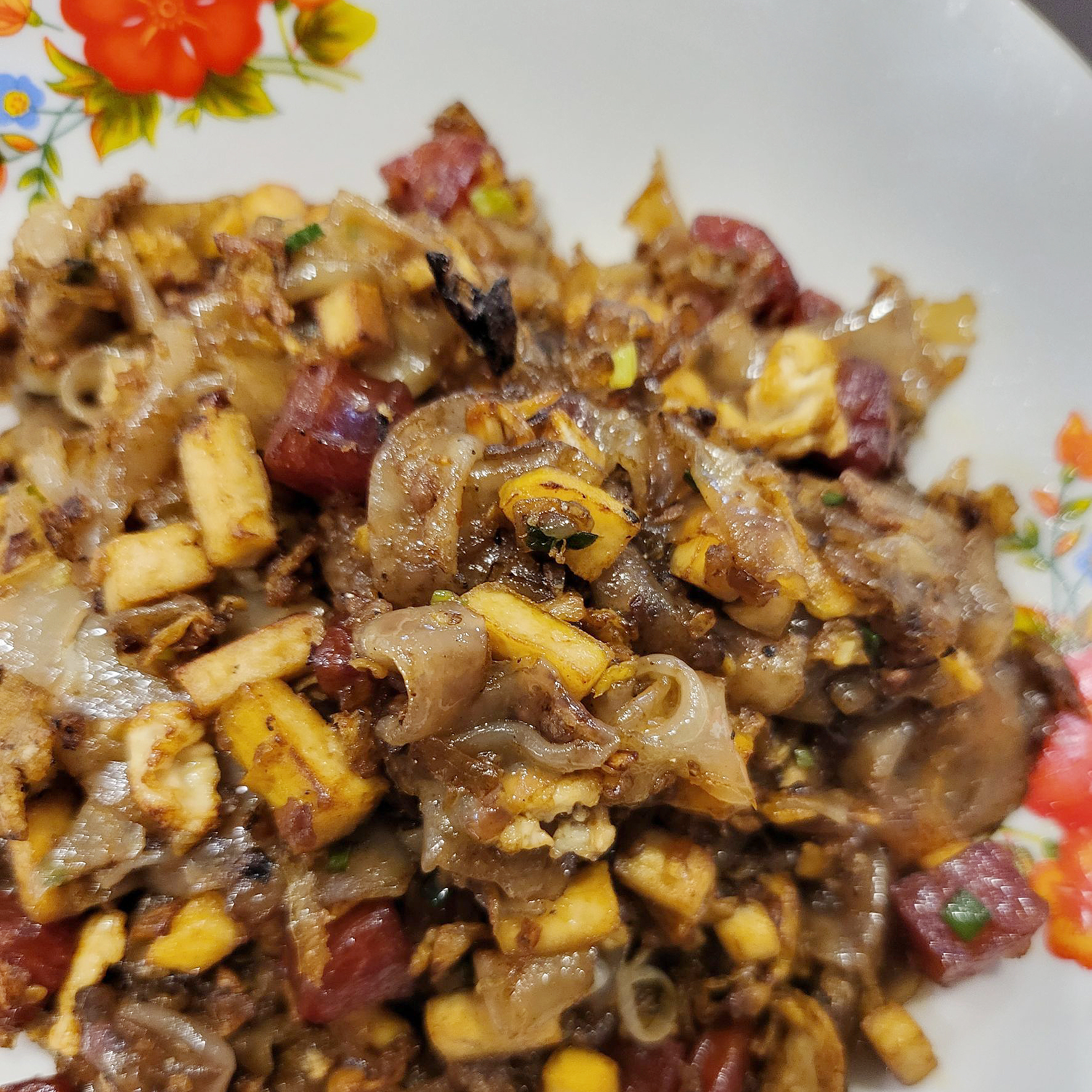
Translated literally as "meticulous stir-fry," this stir-fried noodle dish is probably influenced by Malaysia's char koay teow and incorporates ingredients like egg, diced tofu, and Chinese sausage. The distinctive smoky aroma and flavor of the dish are achieved through the addition of soy sauce and, of course, the essence of wok cooking known as wok hei.
This particular dish played a prominent role in "Hunger," the latest Thai film sensation on Netflix, which revolves around a young chef mentored by a renowned culinary expert. The movie garnered significant attention, receiving both praise for its exceptional cinematography and criticism for its inaccurate portrayal of the life of a chef. Regardless of one's opinion about the film, it's undeniable that most viewers found themselves craving the movie's signature dish.
Legend has it that this dish was improvised using leftover ingredients from the fridge to appease picky and frustrated diners ("ngor ngae" in Thai), hence its name.
Phad ngor ngae can be savored at various establishments across town (Netflix has even introduced a ready-made sauce for home use). However, the original credit goes to Lerdtip, a Thai-Chinese restaurant located in Ladprao (ranked 87th on the prestigious Asia's 50 Best Restaurants list).
The restaurant's owner and chef, Kamol Chobdee-Ngam, is acknowledged for training the lead actors of "Hunger" in the art of wok mastery. Lerdtip's rendition of ngor ngae is called "Phad Happy" and faithfully replicates the ingredients showcased in the movie. Priced at B180 per serving, from the moment the enticing aroma of the wok hei hits your senses, you can be certain it's worth every penny.