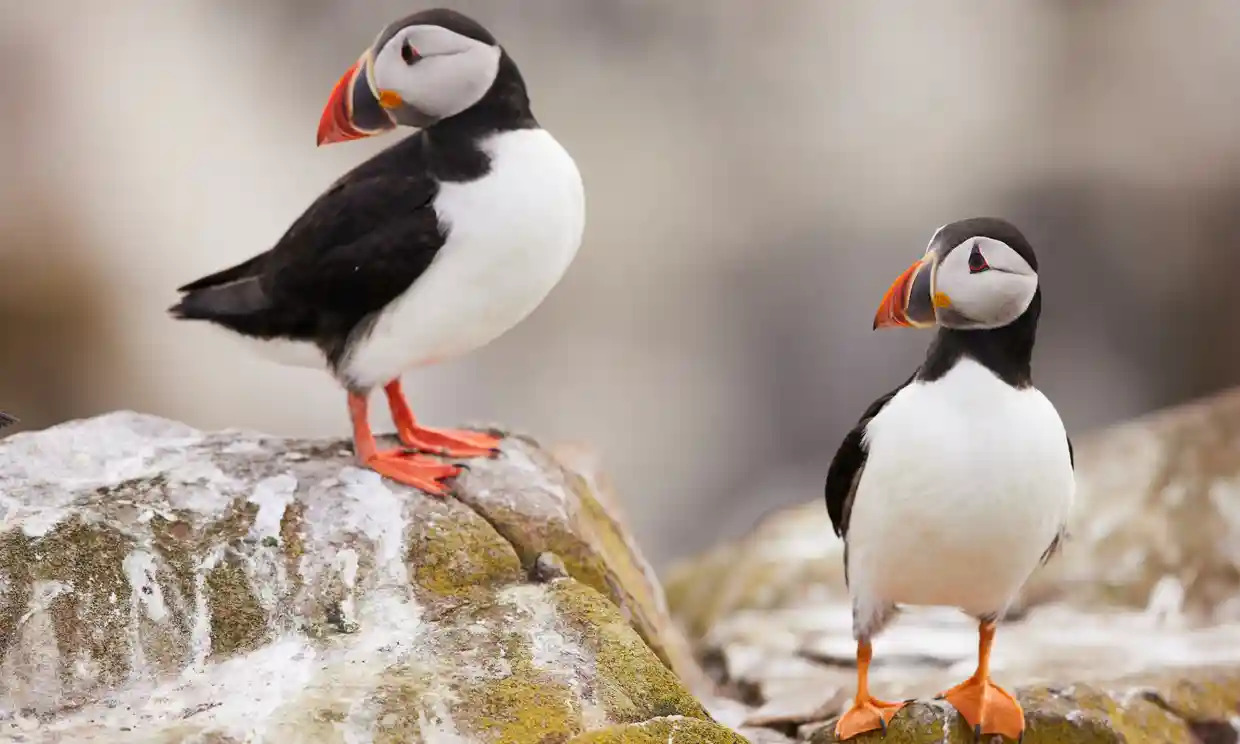
‘They will often give you a wee nip': rangers count puffins on Farne Islands
-
 Loading...
 - Riley Allen
- 24 May 2022
- 285 Views
- 0 Like
- 0 Comment
It may well be one of the least hi-tech nature counts in the UK, and involves rangers sticking their arms blindly down a hole knowing there will be one of five outcomes: they will feel either a puffin egg, a puffling, excrement, nothing at all – or the annoyed reaction of a puffin as a giant hand suddenly enters its home.
“They will quite often give you a wee nip,” said Harriet Reid, an area ranger at the National Trust, smiling. “I can show you a couple of scars … it does hurt. But I’m used to it.”
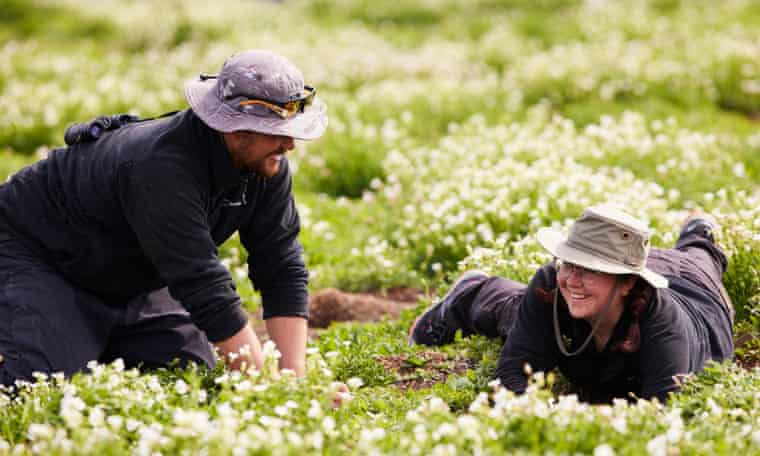
Reid is this year leading a particularly important puffin count on the Farne Islands, off the coast of Northumberland. The coronavirus pandemic meant full surveys were impossible in 2020 and 2021. The rangers have an idea of how healthy the puffin population is, but really need the comprehensive data that they will get once again now the 14-strong team can return to live on Inner Farne.
The biggest threat to puffin populations around the world is climate change. Icelandic populations are struggling, say experts, because of more frequent winter storms and greater stresses on food chains. In the UK the puffin is a red-listed bird, meaning it is of the highest conservation concern.
In 2018, 42,474 breeding pairs of Atlantic puffins were counted. In 2019 it was 42,378. Last year it was 36,211 – but that was a reduced survey area. It is too early to be alarmed, and the feeling is that the breeding colonies on the islands are in good shape, Reid said.
The pandemic has meant no live-on rangers and fewer visitors, so gulls, one of the puffin’s main predators, “have not been deterred as they usually would [be], causing more havoc than usual”, said Reid.
For the count, rangers put their arms down puffin burrows if they cannot see signs of occupation. The burrows can be 3ft (90cm) deep and are Y-shaped. At one end might be an egg; at the other, puffin poo. “It really is 50-50,” said Reid.
Puffins have colourful beaks that glow under UV light. “They are iconic, I think,” said Dr Richard Bevan, a zoologist at Newcastle University who helps verify the count. “A lot of people these days are distanced from wildlife and there is a lack of knowledge, but the one species everyone can identify is a puffin.
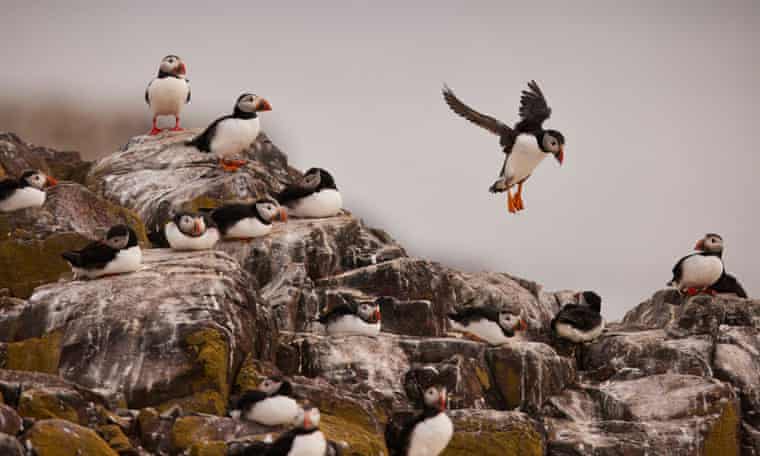
“Some people will see the thousands of guillemots on the cliffs here and go: ‘Are they penguins?’ When they see a puffin, they know it instantly.”
Puffins are monogamous and keep the same partner for life, returning to the same burrow year after year for the breeding season. Their Latin name is Fratercula arctica, meaning “little brother of the north”. Their local name is tommy noddy – and they do nod a lot. Read More...


