Home Upload Photo Upload Videos Write a Blog Analytics Messaging Streaming Create Adverts Creators Program
Bebuzee Afghanistan Bebuzee Albania Bebuzee Algeria Bebuzee Andorra Bebuzee Angola Bebuzee Antigua and Barbuda Bebuzee Argentina Bebuzee Armenia Bebuzee Australia Bebuzee Austria Bebuzee Azerbaijan Bebuzee Bahamas Bebuzee Bahrain Bebuzee Bangladesh Bebuzee Barbados Bebuzee Belarus Bebuzee Belgium Bebuzee Belize Bebuzee Benin Bebuzee Bhutan Bebuzee Bolivia Bebuzee Bosnia and Herzegovina Bebuzee Botswana Bebuzee Brazil Bebuzee Brunei Bebuzee Bulgaria Bebuzee Burkina Faso Bebuzee Burundi Bebuzee Cabo Verde Bebuzee Cambodia Bebuzee Cameroon Bebuzee Canada Bebuzee Central African Republic Bebuzee Chad Bebuzee Chile Bebuzee China Bebuzee Colombia Bebuzee Comoros Bebuzee Costa Rica Bebuzee Côte d'Ivoire Bebuzee Croatia Bebuzee Cuba Bebuzee Cyprus Bebuzee Czech Republic Bebuzee Democratic Republic of the Congo Bebuzee Denmark Bebuzee Djibouti Bebuzee Dominica Bebuzee Dominican Republic Bebuzee Ecuador Bebuzee Egypt Bebuzee El Salvador Bebuzee Equatorial Guinea Bebuzee Eritrea Bebuzee Estonia Bebuzee Eswatini Bebuzee Ethiopia Bebuzee Fiji Bebuzee Finland Bebuzee France Bebuzee Gabon Bebuzee Gambia Bebuzee Georgia Bebuzee Germany Bebuzee Ghana Bebuzee Greece Bebuzee Grenada Bebuzee Guatemala Bebuzee Guinea Bebuzee Guinea-Bissau Bebuzee Guyana Bebuzee Haiti Bebuzee Honduras Bebuzee Hong Kong Bebuzee Hungary Bebuzee Iceland Bebuzee India Bebuzee Indonesia Bebuzee Iran Bebuzee Iraq Bebuzee Ireland Bebuzee Israel Bebuzee Italy Bebuzee Jamaica Bebuzee Japan Bebuzee Jordan Bebuzee Kazakhstan Bebuzee Kenya Bebuzee Kiribati Bebuzee Kuwait Bebuzee Kyrgyzstan Bebuzee Laos Bebuzee Latvia Bebuzee Lebanon Bebuzee Lesotho Bebuzee Liberia Bebuzee Libya Bebuzee Liechtenstein Bebuzee Lithuania Bebuzee Luxembourg Bebuzee Madagascar Bebuzee Malawi Bebuzee Malaysia Bebuzee Maldives Bebuzee Mali Bebuzee Malta Bebuzee Marshall Islands Bebuzee Mauritania Bebuzee Mauritius Bebuzee Mexico Bebuzee Micronesia Bebuzee Moldova Bebuzee Monaco Bebuzee Mongolia Bebuzee Montenegro Bebuzee Morocco Bebuzee Mozambique Bebuzee Myanmar Bebuzee Namibia Bebuzee Nauru Bebuzee Nepal Bebuzee Netherlands Bebuzee New Zealand Bebuzee Nicaragua Bebuzee Niger Bebuzee Nigeria Bebuzee North Korea Bebuzee North Macedonia Bebuzee Norway Bebuzee Oman Bebuzee Pakistan Bebuzee Palau Bebuzee Panama Bebuzee Papua New Guinea Bebuzee Paraguay Bebuzee Peru Bebuzee Philippines Bebuzee Poland Bebuzee Portugal Bebuzee Qatar Bebuzee Republic of the Congo Bebuzee Romania Bebuzee Russia Bebuzee Rwanda Bebuzee Saint Kitts and Nevis Bebuzee Saint Lucia Bebuzee Saint Vincent and the Grenadines Bebuzee Samoa Bebuzee San Marino Bebuzee São Tomé and Príncipe Bebuzee Saudi Arabia Bebuzee Senegal Bebuzee Serbia Bebuzee Seychelles Bebuzee Sierra Leone Bebuzee Singapore Bebuzee Slovakia Bebuzee Slovenia Bebuzee Solomon Islands Bebuzee Somalia Bebuzee South Africa Bebuzee South Korea Bebuzee South Sudan Bebuzee Spain Bebuzee Sri Lanka Bebuzee Sudan Bebuzee Suriname Bebuzee Sweden Bebuzee Switzerland Bebuzee Syria Bebuzee Taiwan Bebuzee Tajikistan Bebuzee Tanzania Bebuzee Thailand Bebuzee Timor-Leste Bebuzee Togo Bebuzee Tonga Bebuzee Trinidad and Tobago Bebuzee Tunisia Bebuzee Turkey Bebuzee Turkmenistan Bebuzee Tuvalu Bebuzee Uganda Bebuzee Ukraine Bebuzee United Arab Emirates Bebuzee United Kingdom Bebuzee Uruguay Bebuzee Uzbekistan Bebuzee Vanuatu Bebuzee Venezuela Bebuzee Vietnam Bebuzee World Wide Bebuzee Yemen Bebuzee Zambia Bebuzee Zimbabwe
Blog Image

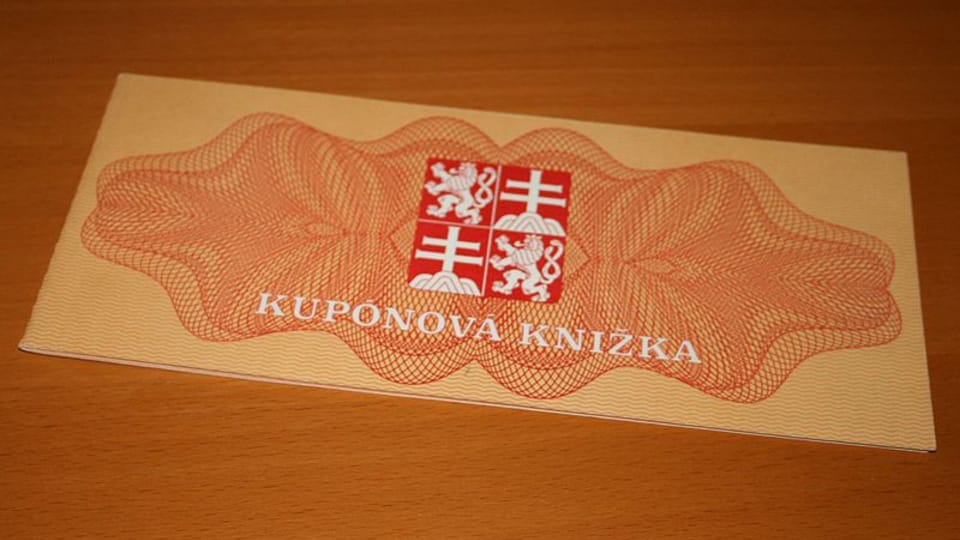
Thirty years later, was voucher privatisation a good decision?

This week marks exactly 30 years since the beginning of the first round of voucher privatisations in post-communist Czechoslovakia. The government scheme made it possible for any Czech adult citizen to buy a “voucher book” that contained shares in a range of state enterprises. I discussed the often derided system with Professor Evžen Kočenda from Charles University’s Institute of Economic Studies.  

“Frankly, it was a very difficult time. There were essentially only two options to choose from. One was the voucher privatisation [as it was undertaken] and the other was to privatise by selling the assets of the companies for real money.

“The problem was that there was no real money among the population. Furthermore, at that time, there was strong popular opposition to selling company assets into foreign hands, although that would actually mean selling them for real money.

“The voucher privatisation was therefore a way to redistribute state-owned property without money with those vouchers substituting the currency.

“The vouchers didn’t come for free, but they were almost for free – it was a sort of giveaway scheme. When you wanted to take part in the scheme, you had to register and pay a fee, which was 1,000 crowns [1,035 crowns including the cost of the voucher book]. At that time, 1,000 crowns wasn’t peanuts. It was a substantial amount of money given the average monthly salary.”

Indeed, the average monthly salary in 1992 was 4,644 crowns, so it was close to a quarter of the monthly salary.

“Exactly, so despite it being a giveaway scheme, there was a monetary incentive which forced one to consider whether they wanted to participate or not.

“There is one caveat though, which I think should not have happened. Namely, that you could register and get the voucher only if you were 18 or above.

“Minors were therefore excluded and I think that was a mistake, because those minors are now adults and are living in this new, transformed economy and society.

“I think that there should have been some sort of mechanism for them to participate. For example, through their parents.”

Critics of the voucher privatisation scheme often note that a select few individuals ended up getting very wealthy, while many of those who invested into a voucher coupon book saw no profit. Indeed, some have still not even claimed the profits that they made from their assets. Some of the economists who came up with the voucher method said retrospectively that there could have been a greater level of legal control. Was there a mistake in how the voucher privatisation was implanted?

“I wouldn’t call it a mistake, but an institutional framework was definitely missing.

“That said, it is understandable that not all institutions were in place at such an early stage of the transformation [from socialism to capitalism]. Read More...

Previous Post

Russian Ruble Drops 17% Amid Falling Exports, Rumored Intervention

Next Post

Bam celebrates 96 years reaffirming its commitment and closeness to Guatemalans

Comments